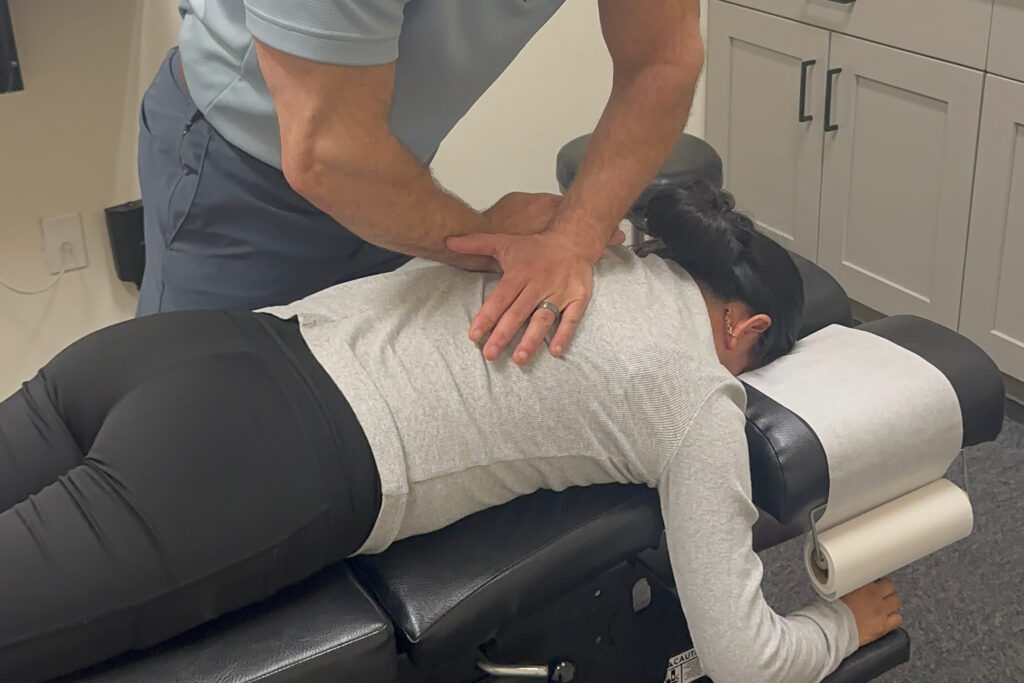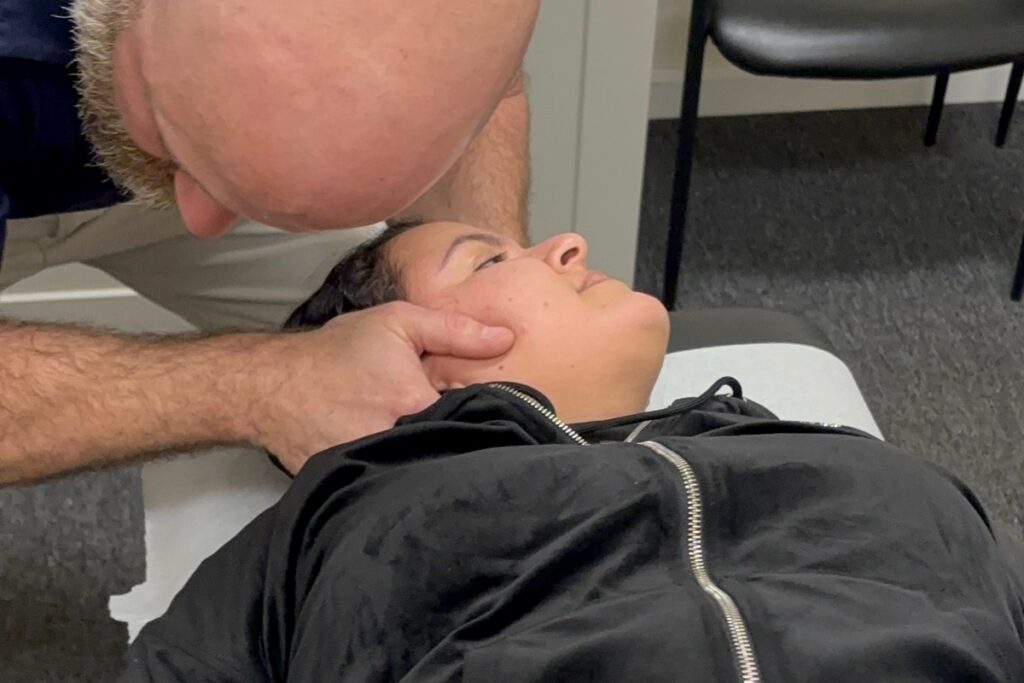

Chronic tension headaches can be a significant hurdle in your daily life, but you don’t have to endure the pain alone. As a chiropractor, I believe in the power of understanding your body and making simple lifestyle changes to find relief. One of the most effective ways to manage chronic tension headaches is through chiropractic care, which focuses on aligning the spine and improving overall well-being.
By addressing spinal misalignments, we can alleviate tension in the neck and shoulders, which often contributes to headache pain. In addition to regular chiropractic adjustments, there are several techniques you can incorporate into your daily routine to help manage headaches. Practicing mindfulness can reduce stress and tension, while maintaining proper posture throughout the day can prevent the muscle strain that often leads to headaches.
Here are some practical tips to help you find relief:
- Stay Hydrated: Drink plenty of water throughout the day to keep your body hydrated and reduce the chance of headaches.
- Take Breaks: Whether you’re working at a desk or engaging in any repetitive activity, remember to take regular breaks to stretch and reset your posture.
- Practice Relaxation Techniques: Explore deep breathing, meditation, or gentle yoga to help decrease stress and tension in your body.
- Get Regular Chiropractic Care: Regular adjustments can help keep your spine aligned, reduce muscle tension, and improve your overall health.
It’s essential to listen to your body. If your headaches persist or worsen, it’s a good idea to consult with a chiropractor who can provide personalized care tailored to your needs. Together, we can work towards achieving optimal health and wellness, allowing you to regain control over your well-being and live life to the fullest.
Key Takeaways
- Regular chiropractic care is essential for improving spinal alignment, which can significantly relieve the muscle tension that often contributes to chronic tension headaches. By visiting your chiropractor regularly, you can help ensure your spine is in optimal condition, promoting overall wellness and reducing headache frequency.
- Creating an ergonomic workspace is key to maintaining a healthy posture that supports your neck and shoulders. Make sure your chair provides adequate support and that your monitor is at eye level. This simple adjustment can help minimize strain and prevent headaches before they start.
- Stress management is crucial for reducing headache triggers. Incorporating mindfulness meditation and deep breathing exercises into your daily routine can help calm your mind and body, providing a natural way to alleviate stress-related headaches.
- Staying hydrated is another important factor in preventing tension headaches. Make sure you drink plenty of water throughout the day. Additionally, incorporating gentle neck and shoulder stretches can help relieve tension and keep your muscles relaxed.
- Keeping a headache diary can be incredibly beneficial. By tracking your headaches, you can identify personal triggers and patterns, allowing you to tailor your lifestyle to avoid them. This proactive approach, combined with chiropractic care, can lead to more effective management of your headaches.
Remember, chiropractic care offers a natural, drug-free approach to achieving optimal health and relieving chronic pain. By making these simple lifestyle adjustments and prioritizing regular chiropractic visits, you can take significant steps toward a healthier, headache-free life.
Understanding Chronic Tension Headaches
Chronic tension headaches can be incredibly frustrating, especially when they interfere with your daily activities. These headaches often feel like a tight band around your head, causing a dull, persistent ache. Unlike migraines, they usually don’t come with nausea or light sensitivity, but that doesn’t make them any less disruptive. You may find that stress, poor posture, or extended periods of screen time can heighten your discomfort.
To effectively manage these headaches, it’s essential to understand their root causes. They often stem from muscle tension in areas like the neck, shoulders, and scalp. When you experience ongoing stress or anxiety, your muscles can tighten, leading to these painful sensations.
Fortunately, there are natural ways to find relief, and chiropractic care stands out as one of the most effective options. Chiropractic care focuses on the alignment of your spine and the overall health of your musculoskeletal system. By addressing misalignments and tension in your body, a chiropractor can help reduce the muscle tightness that often contributes to chronic tension headaches. Regular adjustments can alleviate pain and improve your posture, making it easier for you to manage stress and reduce the likelihood of headaches.
In addition to chiropractic adjustments, there are several lifestyle changes and relaxation techniques that can help you cope with tension headaches. Here are a few tips to consider:
- Practice Good Posture: Be mindful of your posture, especially when sitting at a desk or using electronic devices. Keeping your spine aligned can help reduce muscle strain.
- Stay Hydrated: Dehydration can contribute to headaches. Make sure you’re drinking enough water throughout the day.
- Take Breaks: If you spend long hours in front of a screen, take regular breaks to stretch and relax your neck and shoulders.
- Manage Stress: Engage in relaxation techniques such as deep breathing, yoga, or meditation. These practices can help alleviate muscle tension and promote overall well-being.
- Apply Heat or Cold: Using a warm compress or ice pack on your neck and shoulders can help soothe tight muscles and provide relief.
Identifying Triggers and Symptoms
Identifying the triggers and symptoms of tension headaches is crucial for effective management and prevention, and as a chiropractor, I want to help you understand how to approach this naturally. Many people find that specific activities, environments, or stressors can lead to their headaches. By keeping a headache diary, you can track patterns and identify particular triggers, such as stress, poor posture, or dehydration.
Here’s a simple table to help you categorize some common triggers and symptoms:
| Triggers | Symptoms |
|---|---|
| Stress | Dull, aching pain |
| Poor posture | Tenderness in neck and shoulders |
| Dehydration | Sensitivity to light and sound |
Understanding these triggers can empower you to make lifestyle adjustments that may reduce the frequency and intensity of your headaches. Here are some general tips:
- Practice Good Posture: Ensure that your workstation is ergonomically set up. Sit up straight, with your shoulders relaxed and your neck aligned with your spine to reduce tension.
- Stay Hydrated: Drink plenty of water throughout the day. Dehydration can contribute to headaches, so aim for at least 8 glasses of water daily.
- Manage Stress: Incorporate stress-relief practices into your routine, such as deep breathing exercises, yoga, or meditation. These can help keep stress levels in check and minimize headache triggers.
- Regular Chiropractic Care: Consider regular adjustments from a chiropractor to maintain spinal alignment and overall wellness. Chiropractic care can help relieve tension in the neck and shoulders, which may alleviate headache symptoms.
Lifestyle Modifications for Prevention
To help prevent chronic tension headaches, consider making some straightforward lifestyle changes that prioritize stress management and improve your workspace ergonomics.
As your local chiropractor, I want to emphasize the importance of natural healing methods, and incorporating relaxation techniques like deep breathing exercises and yoga can significantly lower your stress levels. These practices not only promote mental well-being but also support spinal health.
Additionally, it’s crucial to set up your workspace in a way that promotes good posture and minimizes physical strain. This means adjusting your chair, desk, and computer screen to ensure your body is aligned properly while you work. Proper ergonomics can help prevent the muscle tension and discomfort that often lead to headaches.
Remember, regular chiropractic adjustments can also play a vital role in maintaining spinal health and addressing any underlying issues contributing to your headaches.
Stress Management Techniques
Managing stress can be easier than you think, especially when you incorporate chiropractic care into your wellness routine. By focusing on natural healing methods, you can significantly reduce the frequency and intensity of tension headaches and other stress-related issues.
Start by making physical activity a regular part of your life. Whether it’s a daily walk or some gentle stretching, movement not only boosts your mood but also helps relieve tension throughout your body. As a chiropractor, I often see how improved spinal alignment enhances physical activity, making you feel better overall.
In addition to exercise, consider incorporating relaxation techniques like deep breathing, meditation, or yoga. These practices can calm your mind and body, making it easier to manage stress. Regular chiropractic adjustments can further enhance these benefits by promoting better nerve function and overall balance in your body.
Prioritizing sleep is also crucial for stress management. Establish a consistent bedtime and develop a calming pre-sleep routine. Good spinal health is key to restful sleep, so don’t hesitate to consult your chiropractor about how to improve your sleep posture.
Stay connected with friends and family as well; social support plays a vital role in managing stress. Engaging in conversations and sharing your experiences can ease your mind.
Lastly, consider journaling to express your thoughts and feelings. This practice can provide clarity and help reduce anxiety.
Ergonomic Workspace Setup
Creating an ergonomic workspace is essential for maintaining spinal health and preventing chronic tension headaches, which many of my patients experience. As a chiropractor, I advocate for a setup that not only supports your body but also promotes overall well-being.
Start with your chair: it should support your lower back to maintain the natural curve of your spine. Ensure your feet are flat on the floor, which helps distribute your weight evenly and reduces strain on your back.
Next, position your monitor at eye level and about an arm’s length away. This alignment is crucial to avoid straining your neck, which can lead to discomfort and pain.
When it comes to your keyboard and mouse, choose ones that allow your wrists to remain straight and relaxed. This simple adjustment can prevent repetitive strain injuries, which are common among those who spend long hours at a desk.
If you prefer to be on your feet, consider a standing desk. Standing while working can encourage better posture and reduce the risk of back pain.
Proper lighting is also important; make sure your workspace is well-lit to minimize glare on your screen. This will help reduce eye strain, allowing you to stay focused on your tasks without discomfort.
Lastly, remember to take regular breaks. Stretching and resetting your posture throughout the day can relieve tension and keep your spine healthy.
By making these simple adjustments, you can significantly reduce tension and improve your productivity.
Stress Management Techniques
Managing stress is vital for relieving chronic tension headaches, and as a chiropractor, I believe that natural methods can offer significant benefits. One effective way to manage stress is through mindfulness meditation practices and deep breathing exercises. These techniques can help calm both your mind and body, providing immediate relief from headache symptoms.
In addition to these practices, consider incorporating regular chiropractic care into your wellness routine. Chiropractic adjustments can help improve spinal alignment, relieve tension in the neck and shoulders, and promote overall relaxation. By addressing the root causes of your headaches, chiropractic care can help you achieve optimal health and enhance your quality of life.
Here are a few simple tips you can incorporate into your daily routine to manage stress and support your well-being:
- Practice Deep Breathing: Take a few moments each day to focus on your breath. Inhale deeply through your nose, hold for a few seconds, and exhale slowly through your mouth. This can help reduce tension and promote relaxation.
- Engage in Mindfulness: Set aside time for mindfulness meditation. Find a quiet space, close your eyes, and focus on the present moment. This practice can help clear your mind and reduce stress.
- Stay Active: Regular physical activity, such as walking or yoga, can help relieve tension and improve your mood. Movement is essential for maintaining a healthy spine and reducing stress.
- Maintain Good Posture: Be mindful of your posture throughout the day. Keeping your spine aligned can help prevent tension headaches and improve your overall health.
- Schedule Regular Chiropractic Visits: Regular check-ups with a chiropractor can help keep your spine healthy, alleviate tension, and prevent headaches from becoming a recurring issue.
Mindfulness Meditation Practices
As you seek ways to alleviate chronic tension headaches, incorporating mindfulness meditation practices can greatly complement your chiropractic care. These techniques help you focus your mind and reduce stress, which can lead to fewer headaches and promote overall wellness. Here’s how to get started:
- Find a Quiet Space: Choose a comfortable and distraction-free area where you can sit or lie down comfortably. This helps to create a peaceful environment that enhances your relaxation.
- Set a Timer: Begin with just five to ten minutes of meditation. As you become more familiar with the practice, you can gradually increase the duration. Short sessions can be very effective, especially when you’re starting out.
- Focus on Your Breath: Concentrate on your breathing. Take deep inhales and exhales, allowing your mind to clear of other thoughts. This practice helps to calm your nervous system, which can contribute to reducing tension headaches.
- Practice Regularly: Aim to incorporate daily sessions into your routine. Consistency is key in building a habit that can enhance your mindfulness and overall health.
In addition to these mindfulness practices, consider regular chiropractic adjustments. Chiropractic care focuses on aligning your spine, which can relieve tension in your body and help prevent headaches.
By addressing spinal misalignments, you can promote better nerve function and reduce stress levels, paving the way for a healthier, pain-free life.
Deep Breathing Exercises
How can deep breathing exercises enhance your stress management and alleviate chronic tension headaches? As a chiropractor, I can tell you that focusing on your breath is a powerful tool for activating your body’s natural relaxation response. This can help reduce the tension and stress that often contribute to headaches, allowing you to feel more at ease.
To get started, find a quiet space where you can relax. Inhale deeply through your nose, allowing your abdomen to expand fully, and then slowly exhale through your mouth. Repeat this breathing cycle for several minutes, paying attention to the rhythm of your breath. This practice not only calms your mind but also increases oxygen flow to your brain, which may help ease your headache pain.
Incorporating deep breathing into your daily routine—especially during stressful moments—can significantly reduce tension and improve your overall well-being. Alongside regular chiropractic adjustments, which align your spine and promote optimal nervous system function, these deep breathing exercises can enhance your body’s ability to heal naturally.
Remember, self-care is essential for a healthy life. Consider setting aside a few minutes each day for these breathing exercises, and combine them with your chiropractic care for the best results.
The Importance of Posture
The Importance of Posture for Your Health
As a chiropractor, I want to emphasize how crucial your posture is to your overall health and well-being. You may not realize it, but poor posture can significantly contribute to chronic tension headaches. When you slouch or hold your body in unnatural positions, it places extra strain on your neck and shoulder muscles, which can lead to increased tension and more frequent headaches.
The good news is that by being mindful of your posture, you can alleviate this strain and find natural relief.
Here are four practical tips to improve your posture and promote better spinal health:
- Sit Up Straight: Maintain a straight back, keep your shoulders relaxed, and ensure your feet are flat on the floor. This simple adjustment can help reduce tension in your neck and shoulders.
- Adjust Your Workspace: Position your computer screen at eye level to prevent tilting your head forward. This small change can make a big difference in how your body feels throughout the day.
- Take Breaks: It’s important to stand up and stretch every hour. This helps relieve muscle tension and allows your body to reset, promoting better posture over time.
- Strengthen Core Muscles: Engaging in exercises that focus on strengthening your core can support better posture. A strong core helps stabilize your spine and reduces the risk of discomfort.
By incorporating these simple tips into your daily routine, you can support your spinal health and reduce the likelihood of tension headaches.
Remember, chiropractic care can also play a vital role in achieving optimal health. Regular adjustments can help align your spine, enhance your posture, and promote natural healing.
If you’re experiencing headaches or discomfort, consider consulting with a chiropractor for personalized care. Together, we can work towards a healthier, pain-free life!
Over-the-Counter Pain Relief Options
When you’re struggling with chronic tension headaches, it’s important to seek effective relief that aligns with your body’s natural healing abilities. While over-the-counter (OTC) pain relief options like ibuprofen and naproxen might provide temporary relief, they don’t address the underlying issues that can cause headaches.
Instead, chiropractic care offers a holistic approach to managing pain and promoting overall wellness. Chiropractors focus on aligning the spine and improving nervous system function, which can significantly reduce the frequency and intensity of tension headaches. By correcting misalignments in the spine, we help restore proper communication between your brain and body, potentially alleviating headache symptoms without the need for medications.
If you’re sensitive to NSAIDs or prefer to avoid them, chiropractic adjustments can be a more natural option to relieve discomfort. Additionally, incorporating lifestyle changes such as proper hydration, regular exercise, and stress management techniques can further enhance your well-being and help prevent headaches.
Consider also simple practices at home, like applying a warm compress to your neck or practicing relaxation techniques such as deep breathing or yoga. These methods can complement chiropractic care and support your journey to a pain-free life.
Alternative Therapies for Headache Relief
Chiropractic care is a fantastic option for those suffering from chronic tension headaches, offering a natural and effective path to relief. However, there are also several complementary therapies that can enhance your wellness journey and help alleviate discomfort. Here are four alternative therapies to consider alongside your chiropractic treatments:
- Acupuncture: This ancient technique involves inserting very fine needles at specific points to help relieve pain and reduce tension. Many people find that acupuncture can complement their chiropractic adjustments and promote overall relaxation.
- Massage Therapy: Regular massages can be incredibly beneficial for reducing muscle tightness and improving circulation. This, in turn, can lead to significant headache relief. Incorporating massage therapy into your routine can enhance the benefits of chiropractic care by loosening tight muscles and improving blood flow.
- Herbal Remedies: Some herbs, like butterbur and feverfew, have been noted for their potential to decrease headache frequency and intensity. While chiropractic care focuses on spinal health, these natural remedies can be an additional way to support your body’s healing process. Always consult with a healthcare professional before trying new herbal treatments.
- Biofeedback: This technique teaches you to gain control over physiological functions such as muscle tension and heart rate. By learning how to manage your body’s responses, you can effectively identify and address headache triggers, making it a great complement to your chiropractic care.
Remember, while exploring these therapies, it’s important to prioritize chiropractic care as your primary approach for pain relief and achieving optimal health. Your chiropractor can help guide you on the best combination of treatments for your specific needs.
For additional tips, consider maintaining good hydration, practicing relaxation techniques like deep breathing, and ensuring proper posture throughout your day.
These small changes can make a big difference in managing headaches and enhancing your overall wellness. Always consult with your chiropractor for personalized advice tailored to your health journey.
Relaxation Techniques and Mindfulness
As you look for relief from chronic tension headaches, incorporating relaxation techniques and mindfulness practices into your daily routine can significantly improve your well-being. One of the simplest yet most effective methods is deep breathing exercises. To do this, take a slow breath in through your nose, hold it for a moment, and then gently exhale through your mouth. This technique helps calm your mind and relieve tension, which is essential for overall health.
Another helpful practice is progressive muscle relaxation. This involves gradually tensing and then relaxing each muscle group in your body, starting from your toes and working your way up to your head. By releasing physical tension, you can alleviate some of the factors that contribute to headaches.
Mindfulness meditation is also a powerful tool. It only takes a few minutes each day to sit quietly, focus on your breath, and observe your thoughts without judgment. This practice increases your awareness of stress triggers, allowing you to manage them better and promoting a state of relaxation.
Remember, regular chiropractic care can play a crucial role in minimizing headaches by addressing spinal misalignments that can lead to tension and discomfort.
When to Seek Professional Help
How can you tell if it’s time to seek professional help for your chronic tension headaches? Recognizing when to consult a chiropractor is essential for effective pain management and overall wellness. Here are some signs that indicate it’s time to reach out for chiropractic care:
- Frequency: If your headaches occur more than twice a week and disrupt your daily activities, it’s a good idea to get checked out.
- Intensity: When the pain becomes severe enough to make it hard to concentrate or perform tasks, this is a signal that your body needs support.
- Duration: If your headaches last longer than 24 hours without relief, it’s important to seek assistance.
- New Symptoms: Experiencing additional symptoms like vision changes, nausea, or dizziness can indicate a need for professional evaluation.
Chiropractic care focuses on addressing the root causes of your headaches, which often involve tension in the spine and surrounding muscles. By utilizing gentle adjustments and techniques, a chiropractor can help alleviate pain, improve function, and promote natural healing.
In addition to seeking chiropractic care, here are some general tips to help manage your headaches at home:
- Stay Hydrated: Drinking enough water throughout the day can help prevent dehydration-related headaches.
- Practice Good Posture: Maintaining proper posture, especially when sitting for long periods, can reduce tension in your neck and shoulders.
- Incorporate Stretching: Gentle neck and shoulder stretches can relieve muscle tightness and promote relaxation.
- Manage Stress: Techniques such as deep breathing, meditation, or yoga can help reduce stress and tension that may contribute to headaches.
If you notice any of the signs mentioned above, don’t hesitate to consult a chiropractor. They can help identify underlying issues and create a personalized treatment plan.
Conclusion
Incorporating these relief strategies into your daily routine can significantly help manage chronic tension headaches and promote overall wellness. As a chiropractor, I believe that understanding your specific triggers, managing stress effectively, and maintaining proper posture are essential steps toward a healthier lifestyle.
Chiropractic care can play a vital role in alleviating headache pain. By focusing on spinal alignment and addressing any musculoskeletal issues, we can often reduce the frequency and intensity of headaches naturally. Regular chiropractic adjustments can help ensure your spine is properly aligned, which can relieve tension in the neck and shoulders—common culprits of tension headaches.
In addition to chiropractic care, here are some simple tips you can easily incorporate into your life:
- Stay Hydrated: Dehydration can lead to headaches, so make sure you’re drinking enough water throughout the day.
- Practice Relaxation Techniques: Activities like deep breathing, meditation, or gentle yoga can help manage stress and reduce tension.
- Prioritize Good Posture: Be mindful of your posture, especially when sitting for long periods. A supportive chair and regular breaks can make a big difference.
- Limit Screen Time: Take regular breaks from screens to prevent eye strain and muscle tension.
- Get Enough Sleep: Aim for a consistent sleep schedule to help your body recover and reduce headache occurrences.
If headaches persist or worsen despite these strategies, it’s important to seek professional guidance. A chiropractor can provide you with personalized care and support to help you feel your best. Remember, you deserve to live pain-free and enjoy a vibrant life!