
If you’ve ever felt the nagging discomfort of a tension headache, you understand how it can disrupt your daily life. These headaches often arise from stress, poor posture, or muscle tension. Thankfully, there are natural adjustments you can make to alleviate this pain, and chiropractic care is one of the most effective avenues for achieving relief and promoting overall wellness.
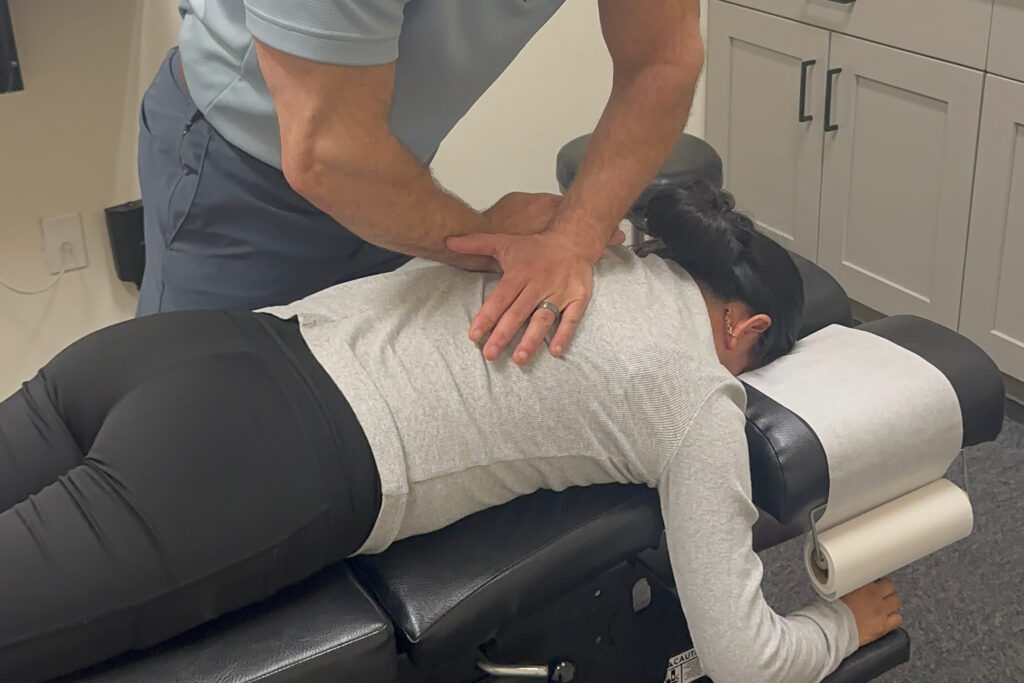
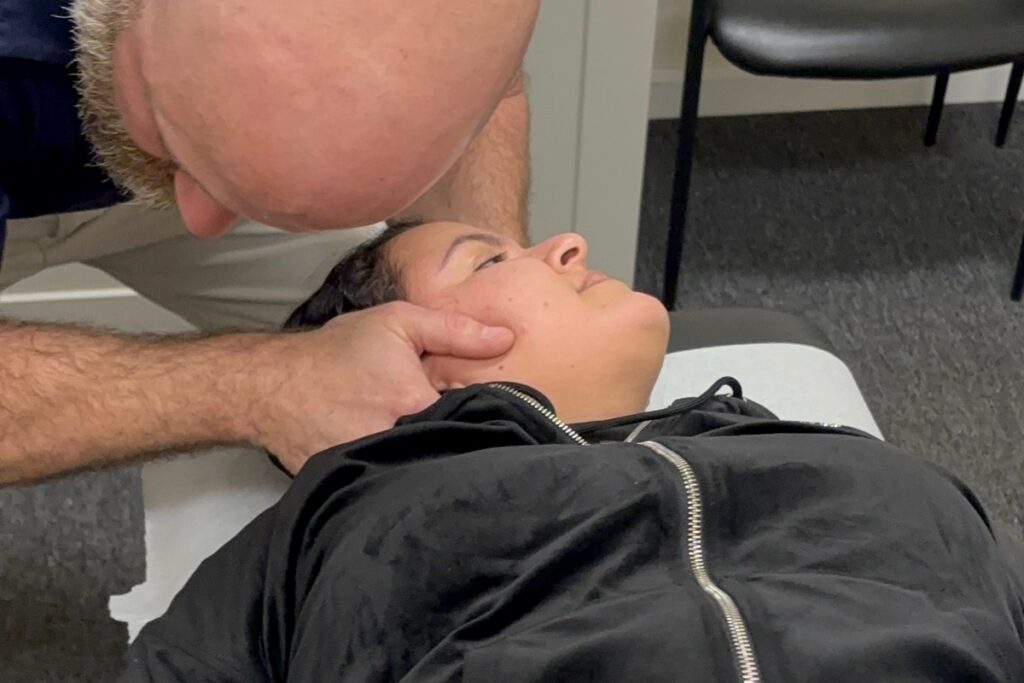
Chiropractic care focuses on the health of your spine and nervous system, which play a crucial role in how your body functions. By addressing misalignments in the spine, a chiropractor can help reduce tension in the muscles around your neck and shoulders, often leading to a significant decrease in headache frequency and intensity.
In addition to seeking chiropractic adjustments, there are several simple lifestyle changes and effective stretching techniques you can incorporate into your routine to further relieve tension headaches. Here are some strategies to consider:
- Posture Awareness: Pay attention to your posture throughout the day, especially if you spend long hours at a desk. Ensure your workspace is ergonomically friendly, with your monitor at eye level and your chair providing proper support.
- Regular Stretching: Incorporate gentle stretches for your neck and shoulders. Simple movements like tilting your head from side to side or rolling your shoulders can help release built-up tension.
- Stay Hydrated: Dehydration can exacerbate headaches, so make sure you’re drinking enough water throughout the day.
- Stress Management Techniques: Practice mindfulness, deep breathing exercises, or meditation to help manage stress, which is a common trigger for tension headaches.
- Chiropractic Visits: Regular check-ups with your chiropractor can help maintain spinal alignment and keep your nervous system functioning optimally, reducing the likelihood of tension headaches.
By exploring these natural adjustments and prioritizing your spinal health, you can pave the way toward relief from tension headaches and enhance your overall well-being. Remember, chiropractic care is a powerful ally in your journey to a healthier, pain-free life.
Key Takeaways
As a local chiropractor dedicated to your health and wellness, I want to share some effective strategies for relieving tension headaches naturally, emphasizing the vital role of chiropractic care in achieving optimal well-being.
- Posture Matters: Maintaining good posture is essential in preventing muscle strain that can lead to tension headaches. Ensure your workspace is ergonomically set up to support your spine. A well-aligned spine can significantly reduce the likelihood of headaches.
- Stay Hydrated: Drinking enough water daily is crucial. Dehydration can be a hidden trigger for headaches, so keep a water bottle handy and make hydration a priority for your overall health.
- Stretch and Relax: Regular stretching and relaxation techniques, such as yoga and deep breathing, can help ease tension. Incorporating these practices into your daily routine not only promotes flexibility but also supports a calm mind and body.
- Chiropractic Care: Engaging in chiropractic care is one of the best ways to address headaches. Personalized adjustments can improve your spinal alignment, which is key in relieving headache symptoms. A chiropractor can help identify the underlying issues contributing to your discomfort and provide targeted solutions.
- Take Breaks: If you find yourself working for extended periods, don’t forget the importance of taking regular breaks. Use these moments to stretch and move around, which enhances circulation and reduces the risk of developing tension headaches.
Remember, achieving optimal health is a journey, and chiropractic care can be your partner in this process. By incorporating these simple strategies into your life, you can naturally relieve tension headaches and enhance your overall wellness. Your spine will thank you!
Understanding Tension Headaches: Causes and Symptoms
When you experience a tension headache, it can feel like a tight band is squeezing your head. This common type of headache often arises from stress, anxiety, or muscle tension in your neck and shoulders. Many people unknowingly clench their jaws or hunch over their computers, which can significantly contribute to that uncomfortable pressure.
Symptoms of tension headaches typically include a dull, aching pain, tightness, and sensitivity in your scalp or neck. Unlike migraines, which can be one-sided, tension headaches usually affect both sides of your head. You might also notice feelings of fatigue or difficulty concentrating when a tension headache strikes.
Understanding what triggers these headaches is essential for prevention. Poor posture, lack of sleep, and dehydration can all lead to these bothersome headaches.
Here are some tips to help you manage tension headaches naturally:
- Practice Good Posture: Pay attention to your sitting and standing posture. Keeping your back straight and shoulders relaxed can help reduce muscle tension.
- Stay Hydrated: Make sure to drink plenty of water throughout your day. Dehydration can be a significant trigger for headaches.
- Regular Movement: Take breaks to stretch and move around, especially if you spend long hours at a desk. Gentle neck and shoulder stretches can relieve built-up tension.
- Stress Management: Incorporate relaxation techniques such as deep breathing, meditation, or yoga into your daily routine. Reducing stress can help lessen the frequency of tension headaches.
- Chiropractic Care: Consider regular visits to your chiropractor. Spinal adjustments can help alleviate muscle tension and improve your overall posture, leading to fewer headaches. Chiropractic care focuses on your body’s natural healing abilities, providing a drug-free approach to managing pain.
By becoming more aware of your triggers and incorporating these healthy habits, you can take proactive steps to minimize the frequency and severity of tension headaches.
Stretching Exercises to Alleviate Tension
Incorporating stretching exercises into your daily routine can be a powerful way to alleviate tension in your neck and shoulders, which is crucial for maintaining spinal health. Simple stretches not only enhance blood flow but also help release tight muscles, ultimately supporting your overall wellness and reducing the risk of those pesky tension headaches.
Begin with neck rolls—gently rotate your head in a circular motion, switching directions after a few repetitions. This can help keep your cervical spine flexible and relieve built-up tension.
Next, try shoulder shrugs: lift your shoulders towards your ears, hold for a moment, and then release. This exercise can relieve stress in your upper body and promote better posture, which is vital for spinal alignment.
Don’t overlook the importance of stretching your arms as well. Reach one arm across your body, holding it with the opposite hand, and feel that delightful stretch along your shoulder. Holding each stretch for about 15-30 seconds and repeating several times throughout the day can be immensely beneficial.
By making these stretching exercises a regular part of your routine, you not only reduce tension but also foster a greater sense of well-being.
Relaxation Techniques for Stress Relief
To effectively manage tension headaches and promote overall wellness, incorporating relaxation techniques into your daily routine can greatly enhance your health. As a chiropractor, I emphasize the importance of a holistic approach to pain relief, and these techniques can complement your chiropractic care beautifully.
Start with deep breathing exercises. Inhale slowly through your nose, hold for a few seconds, and then exhale through your mouth. This simple yet effective practice calms your mind and helps reduce muscle tension, which is crucial for maintaining spinal health.
Meditation is another powerful tool for stress relief. Spend just a few minutes each day sitting quietly, focusing on your breath or a calming mantra. This practice not only lowers stress levels but also supports your body’s natural healing processes, making chiropractic adjustments even more effective.
Progressive muscle relaxation can also be beneficial. Tense and then relax each muscle group, starting from your toes and working your way up. This technique increases your awareness of tension in your body, helping you to release it and improve your overall well-being.
Don’t underestimate the soothing effects of a warm bath or listening to calming music. These simple activities can help you unwind and create a more peaceful environment, which is essential for optimal health.
By integrating these relaxation techniques into your routine alongside regular chiropractic care, you’ll not only relieve stress but also reduce the frequency of those pesky tension headaches.
The Importance of Good Posture
Good posture is crucial in preventing tension headaches, a common issue that many people face. When you slouch or hunch over, it places unnecessary strain on your neck and shoulders, which can lead to discomfort and pain. By focusing on proper alignment, not only can you reduce the risk of headaches, but you can also enhance your overall well-being.
As a chiropractor, I want to emphasize the importance of spinal health in achieving optimal wellness. Regular chiropractic care can help ensure that your spine is correctly aligned, which in turn supports better posture. This alignment can alleviate tension in your neck and shoulders, ultimately reducing the frequency and intensity of headaches.
Here are a few simple tips to help you maintain good posture throughout the day:
- Be Mindful of Your Sitting Position: When sitting, keep your back straight and shoulders relaxed. Your feet should be flat on the floor, and your knees should be at a right angle.
- Take Breaks and Move Around: If you work at a desk for long periods, remember to take short breaks. Stand up, stretch, and walk around to relieve tension and improve circulation.
- Use Ergonomic Furniture: Consider using chairs and desks designed to support good posture. An ergonomic chair can provide the necessary support for your lower back, while a desk at the right height can prevent you from hunching over.
- Strengthen Your Core: A strong core helps support your spine. Incorporating exercises that target your abdominal and back muscles can improve your posture and stability.
- Schedule Regular Chiropractic Visits: Regular adjustments can help maintain your spinal alignment, reduce tension, and promote a healthier posture.
By prioritizing good posture and incorporating these tips into your daily routine, you can significantly reduce your risk of tension headaches and improve your overall quality of life.
Effects of Poor Posture
When you find yourself slouching or hunching over your device, it’s important to understand that this isn’t just a minor inconvenience—it can seriously affect your health. Poor posture can lead to increased tension in your neck, shoulders, and back, resulting in muscle tightness and discomfort.
As you lean forward, the weight of your head can misalign your spine, causing tightness that radiates throughout your upper body. This tension can’t only lead to headaches but can also make it difficult to focus and enjoy your daily activities.
One of the key reasons for these headaches is that misalignment restricts blood flow and oxygen to your brain, which can worsen your symptoms. But the good news is that you can take proactive steps to address these issues and promote natural healing.
Chiropractic care is an excellent way to help restore proper alignment to your spine, alleviating discomfort and reducing the chances of tension headaches. Regular chiropractic adjustments can help release muscle tension, improve your posture, and enhance overall spinal health.
In addition to seeking chiropractic care, here are some general tips to help you maintain better posture and reduce tension:
- Take Breaks: Set a timer to remind yourself to take short breaks from your device every 30 minutes. Stand up, stretch, and walk around to help relieve tension.
- Ergonomic Setup: Ensure your workstation is set up ergonomically. Your screen should be at eye level, and your chair should support the natural curve of your back.
- Strengthening Exercises: Incorporate exercises that strengthen your core and back muscles. A strong core supports better posture.
- Mind Your Head Position: Keep your head aligned over your shoulders. Imagine a string pulling the top of your head towards the ceiling, which can help you sit or stand taller.
By being mindful of your posture and incorporating these tips into your daily routine, you can support your body’s natural alignment and reduce the likelihood of tension headaches.
Tips for Better Alignment
Maintaining proper alignment is essential for your overall health and well-being, and chiropractic care can be a key player in achieving this. Good posture not only reduces strain on your muscles and joints but also helps alleviate issues like tension headaches.
Here are some easy tips to improve your alignment and support your journey to natural wellness:
- Sit Up Straight: Keep your back straight and shoulders relaxed while sitting. This simple change can make a big difference in how you feel throughout the day.
- Use Ergonomic Furniture: Invest in a chair and desk that support your natural posture. Ergonomic furniture can help you maintain your spine’s alignment, making it easier to stay comfortable and focused.
- Take Breaks: Remember to stand, stretch, and move around every hour. This practice helps prevent stiffness and keeps your body in motion, which is vital for maintaining a healthy spine.
- Stay Mindful: Regularly check in with your posture throughout the day. If you notice you’re slouching or leaning, take a moment to readjust. Small adjustments can lead to significant improvements over time.
Incorporating these tips into your daily routine can enhance your well-being and support your spinal health.
If you’re experiencing discomfort or looking for personalized advice, consider visiting your local chiropractor. They can provide tailored care to help you achieve optimal alignment and a healthier, pain-free life.
Lifestyle Changes for Long-Term Relief
To find long-term relief from tension headaches, it’s essential to incorporate stress management techniques and create an ergonomic workspace. As a chiropractor, I believe these lifestyle adjustments can significantly enhance your overall well-being and are vital in supporting your spinal health.
First, let’s talk about stress management. Chronic stress can lead to muscle tension, which often results in headaches. Incorporating practices like deep breathing exercises, meditation, or regular physical activity can help alleviate stress and, in turn, reduce the frequency and intensity of headaches.
Regular chiropractic adjustments can also play a crucial role in managing stress by ensuring your spine is aligned, which helps your nervous system function optimally.
Next, consider how your workspace is set up. An ergonomic workspace can help prevent tension headaches by promoting better posture and reducing strain on your neck and shoulders. Make sure your chair supports your lower back, your screen is at eye level, and your feet are flat on the floor.
Small adjustments like these can make a significant difference in how you feel throughout the day.
Additionally, remember to take regular breaks. Stretching and moving around every hour can relieve tension and improve circulation, which is beneficial for both your spine and your overall health.
Lastly, don’t underestimate the benefits of chiropractic care. Regular visits to your chiropractor can help maintain proper spinal alignment, relieve tension in your muscles, and provide you with personalized advice on lifestyle changes that can further enhance your health and wellness.
Stress Management Techniques
Stress is a common cause of tension headaches, but the good news is that you can take steps to improve your overall well-being and reduce headache occurrences through effective stress management techniques.
By incorporating these strategies into your daily routine, you can promote natural healing and maintain a healthier lifestyle, all while supporting your chiropractic care journey.
- Practice mindfulness: Engaging in meditation or deep-breathing exercises helps center your mind. This calm state can positively affect your body, reducing tension and stress that may contribute to headaches.
- Stay active: Regular physical activity is essential. Not only does it release endorphins, which elevate your mood, but it also supports spinal health. Simple activities like walking, stretching, or yoga can be excellent for your body and mind.
- Prioritize sleep: Aim for 7-9 hours of quality sleep each night. Good sleep is crucial for your body to recharge and heal. It also helps keep your nervous system balanced, reducing stress and the likelihood of headaches.
- Connect with others: Spending time with friends or family allows you to share your feelings and unwind. Social connections are vital for emotional well-being, which can directly impact your physical health.
By implementing these techniques and focusing on your spine’s health through chiropractic care, you can achieve a more balanced life.
This holistic approach not only helps you manage stress effectively but also plays a significant role in reducing tension headaches naturally.
Ergonomic Workspace Setup
Creating an ergonomic workspace isn’t just about comfort; it’s a crucial step in supporting your spinal health and preventing tension headaches. As a local chiropractor, I want to share some effective tips to enhance your workspace for better wellness.
Start by selecting a chair that promotes good posture. Your chair should support your lower back, helping to maintain the natural curve of your spine. Ensure your feet are flat on the floor to help distribute your weight evenly.
Next, position your computer screen at eye level. This adjustment is vital for preventing neck strain, which can contribute to headaches and discomfort. When your screen is too low or too high, you may find yourself leaning or straining, leading to unnecessary tension in your neck and shoulders.
Using a keyboard and mouse that allow your arms to remain close to your body is also important. Keep your wrists straight to prevent strain and promote better circulation.
If you haven’t considered it yet, a standing desk can be a great addition. Alternating between sitting and standing not only improves circulation but also encourages better spinal alignment.
Make sure that frequently used items, like your phone or documents, are within easy reach. This positioning helps minimize strain on your back and neck as you reach for them throughout the day.
Lastly, remember the importance of taking regular breaks. Stand up, stretch, and reset your posture to give your body a chance to recover from prolonged sitting. Simple movements can help keep your spine healthy and reduce the risk of discomfort.
These small adjustments can lead to long-term relief from tension headaches and enhance your overall wellness.
When to Seek Professional Help
When should you consider seeking professional help for tension headaches? If you’re experiencing frequent or severe headaches that disrupt your daily life, it’s vital to consult a chiropractor. Ignoring persistent symptoms or trying to self-diagnose can lead to further discomfort.
Here are some signs that it’s time to reach out for professional guidance:
- Your headaches occur more than twice a week.
- Over-the-counter medications aren’t providing relief.
- You experience headaches after a head injury.
- You notice other unusual symptoms, like vision changes or nausea.
A chiropractor can help identify the underlying causes of your tension headaches and provide natural treatment options tailored to your needs. Chiropractic care focuses on aligning the spine, which can alleviate tension and promote overall well-being.
Remember, being proactive about your health is essential; waiting for symptoms to worsen can lead to more significant issues down the line.
In addition to seeking professional help, here are some general tips to help manage tension headaches naturally:
- Practice good posture to reduce strain on your neck and back.
- Stay hydrated and maintain a balanced diet.
- Incorporate regular physical activity to relieve stress and tension.
- Try relaxation techniques such as deep breathing, yoga, or meditation.
Taking these steps can lead to effective pain management and improve your overall quality of life. Don’t hesitate—reaching out to a chiropractor is a proactive step toward achieving relief and optimal health.
Conclusion
Incorporating natural adjustments into your daily routine can significantly alleviate tension headaches and promote overall well-being. As a chiropractor, I emphasize the importance of spinal health in achieving optimal wellness. Practicing gentle stretching exercises and maintaining good posture are key strategies that can help reduce the frequency and intensity of headaches.
Engaging in relaxation techniques, such as deep breathing or meditation, can also play a crucial role in managing stress, which is a common headache trigger. Staying adequately hydrated is essential, as dehydration can lead to increased discomfort.
Making small lifestyle changes, like setting reminders to take breaks from screens or adjusting your workspace ergonomics, can further enhance your comfort and reduce tension. Chiropractic care focuses on aligning your spine and improving nervous system function, which can be incredibly effective for pain relief and preventing future headaches.
If tension headaches persist despite these efforts, I encourage you to seek professional chiropractic care. A chiropractor can provide personalized adjustments and guidance tailored to your specific needs. By prioritizing your spinal health, you not only find relief from headaches but also improve your overall quality of life, allowing you to enjoy each day to the fullest.