

Shoulder pain has a way of making even the simplest tasks feel impossible. Reaching for a glass on a high shelf, fastening a seatbelt, or even sleeping comfortably can become a daily struggle when your rotator cuff is injured. If you’ve been dealing with persistent shoulder pain and aren’t sure what’s causing it, you’re not alone. Here in Fanwood and Flemington, NJ, many patients visit Fanwood Back Relief Center with exactly this concern — and the good news is that understanding what’s happening in your shoulder is the first step toward feeling better.
What Is a Rotator Cuff Injury?
A rotator cuff injury involves damage to one or more of the four muscles and their tendons that surround and stabilize the shoulder joint. These muscles work together to allow your arm to rotate and lift. When they’re strained, irritated, or torn, the result is pain, weakness, and limited range of motion that can significantly impact your daily life.
What Is the Rotator Cuff?
The rotator cuff is made up of four muscles: the supraspinatus, infraspinatus, teres minor, and subscapularis. Together, these muscles form a protective “cuff” around the ball-and-socket structure of your shoulder joint. They don’t just move your arm — they hold the top of your upper arm bone firmly in place within the shoulder socket, providing essential stability during everything from heavy lifting to subtle daily movements.
Because the shoulder is the most mobile joint in the human body, it relies heavily on these muscles for support. That same incredible range of motion that makes the shoulder so versatile is also what makes it so vulnerable to injury. When one part of the system breaks down — due to overuse, trauma, or age-related wear — the entire shoulder can be affected.
It’s worth understanding that rotator cuff injuries exist on a spectrum. They range from mild inflammation and tendinitis (irritation of the tendons) to partial tears and complete ruptures. Not every rotator cuff injury requires surgery. In fact, many people recover well with conservative, non-invasive care when the problem is caught and addressed early.
Common Causes of Rotator Cuff Injuries
Rotator cuff injuries don’t always happen from a single dramatic moment. While a sudden fall or impact can absolutely cause a tear, many cases develop gradually over time. Understanding the cause of your injury matters because it shapes the best path forward for healing.
Repetitive overhead motions are one of the most common contributors. Professions and activities that involve repeated reaching — painting, carpentry, tennis, baseball, swimming, and certain warehouse jobs — can slowly wear down the tendons over months or years. This type of gradual wear is sometimes called an overuse injury or degenerative tear, and it tends to develop quietly until the pain becomes hard to ignore.
Acute injuries are the other major category. These happen when you catch yourself from a fall, lift something unexpectedly heavy, or experience a sudden jerk to the arm. Athletes, especially those who play contact sports, are at particular risk. At Fanwood Back Relief Center, Dr. Eric Chludzinski works with athletes of all levels and sees firsthand how demanding physical activity can take a toll on shoulder health when the body isn’t properly supported or conditioned.
Age is also a significant factor. As we get older, the blood supply to tendons decreases, making them more prone to degeneration and tearing. Most rotator cuff tears that require attention occur in people over the age of 40, though younger athletes are certainly not immune, particularly when pushing their bodies hard without adequate recovery time.
Poor posture is another often-overlooked contributor. When the shoulders are chronically rounded forward — a common result of prolonged desk work or device use — the space within the shoulder joint narrows. This can lead to what’s called shoulder impingement, where the rotator cuff tendons get compressed between the bones, causing irritation and eventually injury.
Signs and Symptoms to Watch For
Recognizing a rotator cuff injury isn’t always straightforward, because the symptoms can overlap with other shoulder conditions. That said, there are some hallmark signs that suggest the rotator cuff may be involved.
Pain that radiates down the outside of your arm, particularly when lifting or rotating the shoulder, is a common red flag. Many people describe a dull, deep ache that worsens with activity and sometimes flares up at night — especially when lying on the affected side. This nighttime pain can be particularly disruptive and is often one of the primary complaints patients bring to our office here in Fanwood and Flemington.
Weakness in the shoulder is another telling sign. You may notice that reaching overhead, lifting objects, or rotating your arm feels unusually effortful or painful. Some people describe a sensation of the arm “giving out” with certain movements. Stiffness and reduced range of motion are also common, particularly when reaching behind the back or across the body.
In some cases, people notice a crackling or clicking sensation in the shoulder during movement. This isn’t always dangerous, but when it’s accompanied by pain or weakness, it warrants professional evaluation. The sooner a proper assessment is done, the sooner the right approach to care can be put in place.
How Chiropractic Care Fits Into Recovery
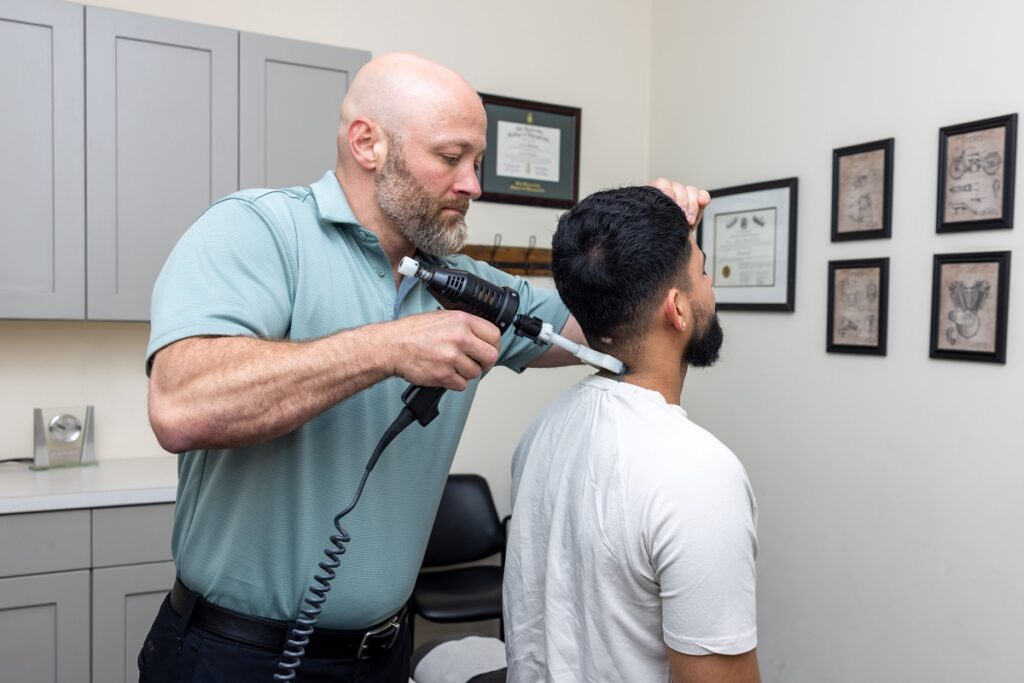
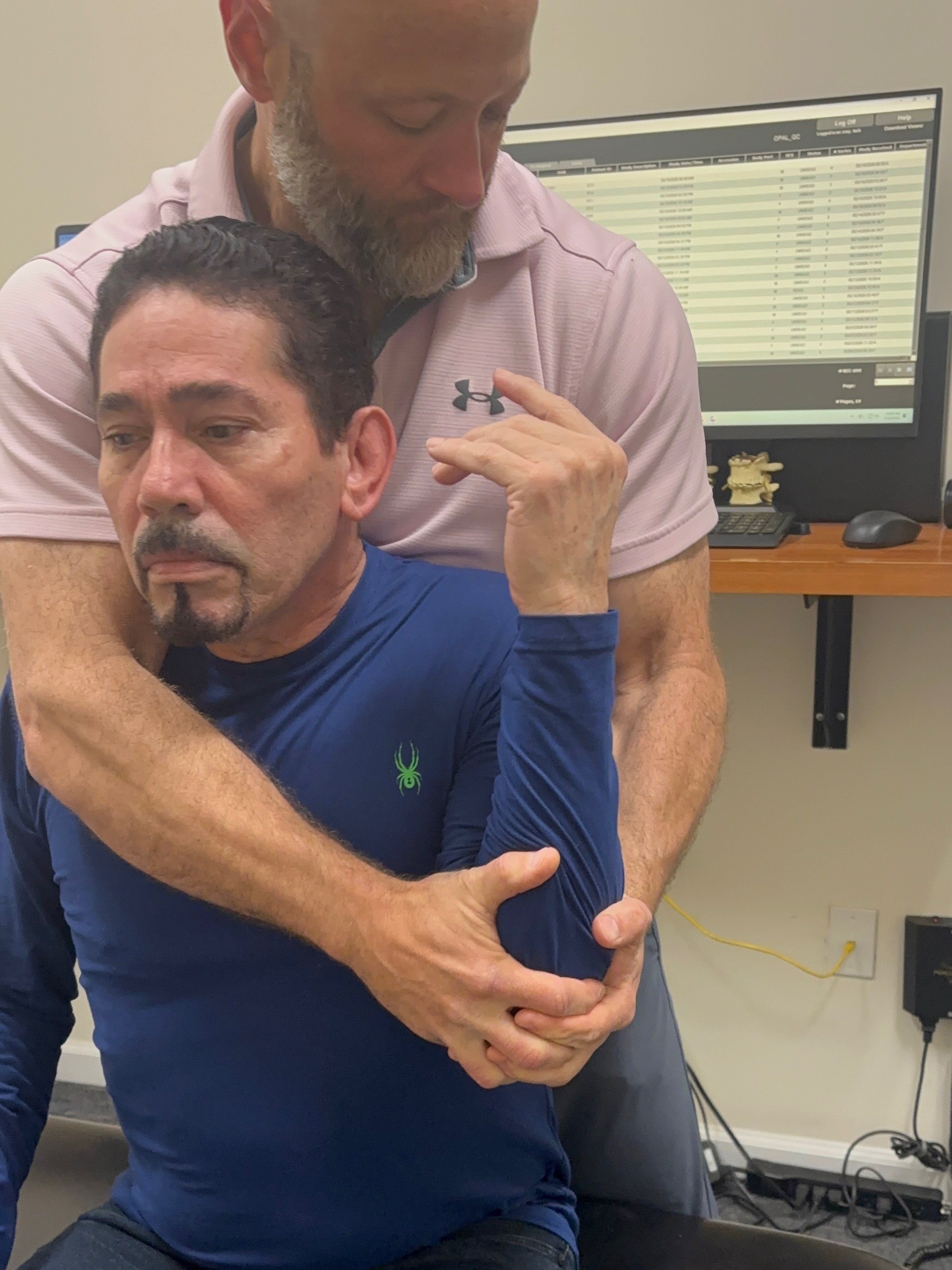
When most people think about chiropractic care, they think about back and neck adjustments. What many don’t realize is that chiropractic care can play an important role in addressing shoulder pain and supporting recovery from rotator cuff injuries. Dr. Eric Chludzinski at Fanwood Back Relief Center takes a comprehensive approach to musculoskeletal health that goes well beyond the spine alone.
Chiropractic care for rotator cuff injuries focuses on restoring proper joint function, reducing inflammation, relieving muscle tension, and supporting the body’s natural healing process. Because the shoulder, neck, and upper back are all interconnected, misalignments in the cervical or thoracic spine can directly influence shoulder mechanics. Addressing those underlying issues is often an essential piece of the recovery puzzle.
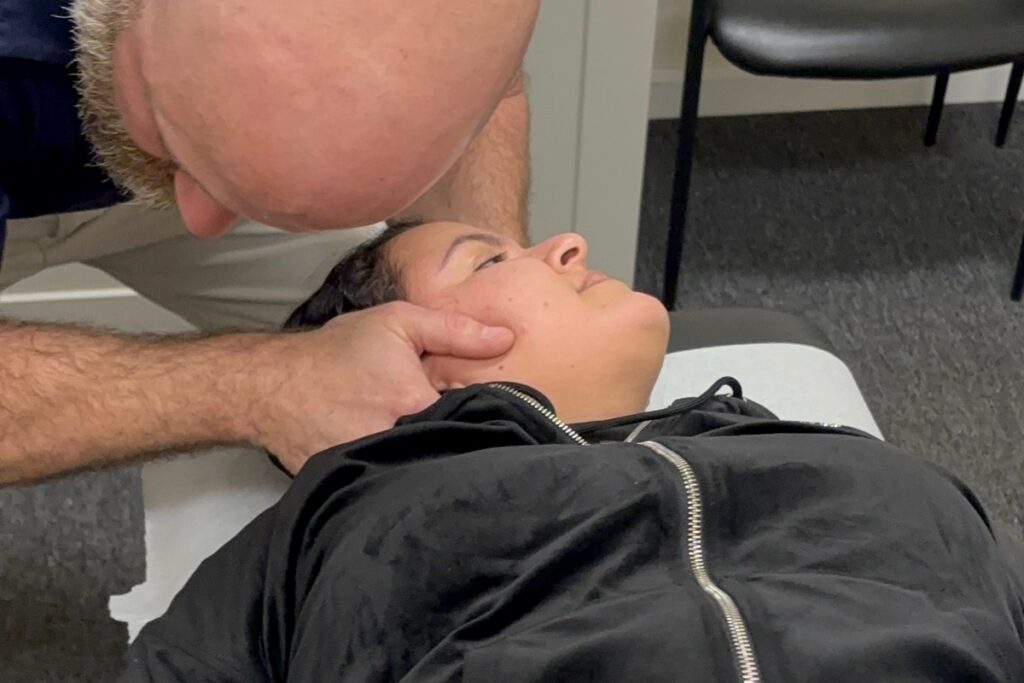
At Fanwood Back Relief Center, Dr. Chludzinski provides personalized chiropractic care tailored to each patient’s needs. Through thorough evaluations and precise manual chiropractic adjustments, he works to restore proper spinal alignment and joint mobility, which may help reduce stress on the muscles, joints, and nerves that contribute to shoulder pain. By addressing underlying spinal and musculoskeletal dysfunction, chiropractic care aims to support improved movement, reduced discomfort, and better overall function so patients can return to their daily activities with greater ease.
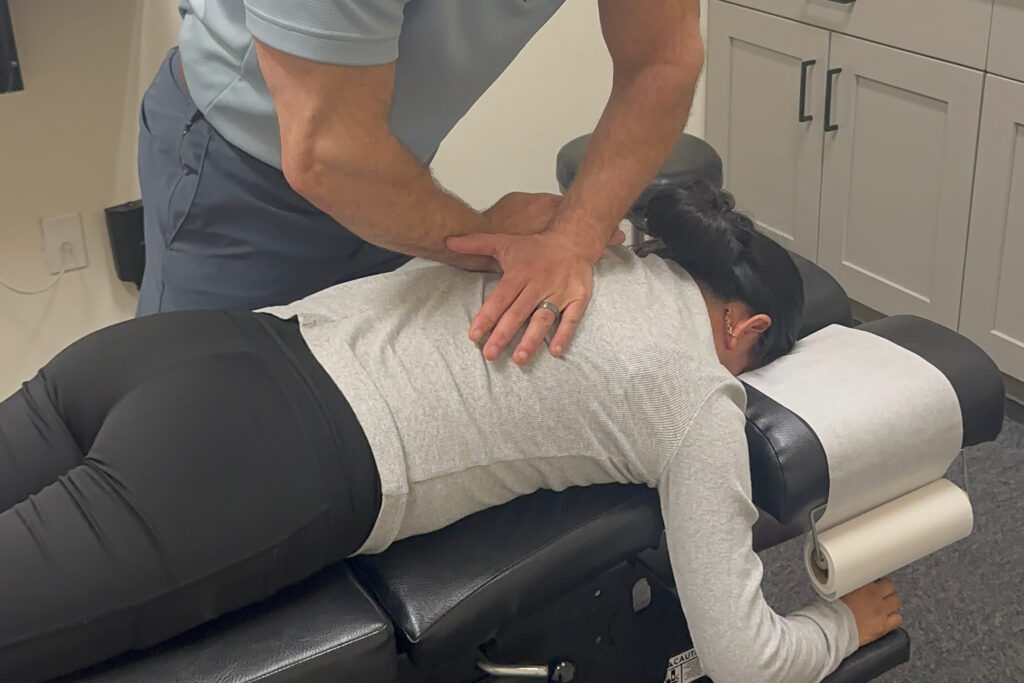
For patients experiencing shoulder pain, manual chiropractic adjustments are carefully tailored to the individual’s condition, mobility, and comfort level. By restoring proper movement to the spine and shoulder-related joints, these adjustments may help reduce mechanical stress, improve joint function, and support the body’s natural healing process. Each treatment plan is based on a thorough evaluation to ensure care is appropriate for the patient’s specific needs.
Manual chiropractic adjustments are designed to restore proper motion to the spine and surrounding joints, which may help reduce compensatory stress placed on the shoulder. By improving spinal alignment and joint function, chiropractic care supports more balanced movement patterns throughout the upper body. For patients experiencing shoulder pain related to posture, repetitive strain, or minor injuries, individualized chiropractic adjustments can help improve mobility, reduce discomfort, and support the body’s natural healing process.
X-Rays are available in-office to support accurate assessment, helping Dr. Chludzinski understand the structural picture before developing a care plan. The goal is always individualized, conservative, drug-free care that meets each patient where they are.
Practical Tips for Managing Shoulder Pain
While professional evaluation is important, there are meaningful steps you can take at home to support your shoulder health and reduce your pain while working toward recovery.
Pay attention to your sleeping position. Sleeping on the affected shoulder places direct pressure on already-irritated tendons. Try sleeping on your back or your opposite side with a supportive pillow positioned under the affected arm for gentle elevation and support.
Be mindful of your posture throughout the day. Rounded shoulders increase impingement risk and put excessive strain on the rotator cuff. Gently pulling your shoulder blades back and down — even for a few moments every hour — can help counter the effects of prolonged forward posture. If you work at a desk, make sure your monitor is at eye level and your arms aren’t elevated or reaching forward repeatedly.
Avoid pushing through pain during overhead activities. If a movement hurts, that’s your body sending an important signal. Continuing to aggravate an injured rotator cuff can worsen the damage and lengthen recovery time. Rest from provocative activities is not the same as complete inactivity — gentle, pain-free range-of-motion movements can actually support healing by promoting circulation and preventing stiffness.
Applying ice to the shoulder for 15-20 minutes after activity can help manage inflammation and discomfort in the short term. If your pain has been present for more than a few weeks and is chronic in nature, heat may be more appropriate. When in doubt, check with Dr. Eric Chludzinski or your healthcare provider about what’s right for your specific situation.
When to See a Chiropractor
If your shoulder pain has lasted more than a week or two without improvement, it’s time to get a professional evaluation. Many people make the mistake of waiting too long, hoping the pain will resolve on its own — and sometimes it does, but when it doesn’t, delayed care can allow the underlying issue to worsen.
You should especially consider seeking care if your pain is affecting your sleep, limiting your ability to work or exercise, causing noticeable weakness, or has come on after a specific injury or accident. These are signs that something more than minor muscle soreness is going on.
There are also red flag symptoms that warrant urgent medical attention rather than chiropractic care as a first step. These include severe pain following a significant trauma or fall, sudden complete inability to lift the arm, signs of infection such as fever and swelling, numbness or tingling that extends down the entire arm, or any symptoms suggesting a vascular issue. In these cases, please seek emergency or primary care evaluation promptly. Dr. Chludzinski and the team at Fanwood Back Relief Center will always refer patients to the appropriate specialist when necessary — your safety and wellbeing always come first.
Rotator Cuff Injury Overview Table
|
Injury Type |
Common Cause |
Main Symptoms |
Conservative Care Options |
|---|---|---|---|
|
Rotator Cuff Tendinitis |
Repetitive overhead activity, poor posture |
Aching pain with movement, tenderness, mild weakness |
Manual chiropractic adjustments to improve spinal and shoulder joint function, posture-focused chiropractic care |
|
Shoulder Impingement |
Rounded posture, overuse, anatomical narrowing |
Pinching pain when lifting arm, pain at night |
Manual chiropractic adjustments to restore joint mobility and support healthy shoulder mechanics |
|
Partial Rotator Cuff Tear |
Acute trauma or chronic degeneration |
Significant pain, moderate weakness, limited range of motion |
Conservative chiropractic care with gentle manual chiropractic adjustments when appropriate; referral if symptoms warrant further evaluation |
|
Complete Rotator Cuff Tear |
Severe trauma, advanced degeneration |
Profound weakness, inability to lift arm, intense pain |
Medical referral for appropriate evaluation and treatment; chiropractic care may provide supportive manual adjustments when clinically appropriate and coordinated with the patient’s treatment plan |
Myths vs. Facts About Rotator Cuff Injuries
Myth: Rotator Cuff Injuries Always Require Surgery
Fact: Many rotator cuff injuries — particularly tendinitis, impingement, and partial tears — respond well to conservative, non-surgical care. Evidence from orthopedic and conservative care research suggests that a significant number of patients can achieve meaningful improvement without surgical intervention, especially when care is started early and is properly guided.
Myth: If You Can Still Move Your Arm, the Injury Isn’t Serious
Fact: Partial rotator cuff tears and significant tendinitis can still allow near-normal movement while causing real structural damage and progressive deterioration. The absence of complete loss of motion does not mean an injury is minor. Pain and weakness in the presence of reasonable range of motion should still be professionally evaluated.
Myth: Shoulder Pain Always Comes From the Shoulder Itself
Fact: Pain in and around the shoulder can sometimes originate from the cervical spine (neck) or thoracic spine. Nerve irritation in the neck can mimic or accompany rotator cuff symptoms. This is one of the reasons Dr. Eric Chludzinski always takes a thorough, full-body assessment approach — the source of the problem isn’t always where the pain is felt.
Myth: Rest Is the Best Treatment for a Rotator Cuff Injury
Fact: Complete rest and immobility can actually contribute to stiffness and muscle weakening over time. While avoiding painful, aggravating activities is important, maintaining gentle, pain-free movement and receiving hands-on care tends to support better outcomes than extended complete rest alone.
Myth: Rotator Cuff Problems Only Affect Athletes and Older Adults
Fact: While athletes and older individuals are at higher risk, rotator cuff issues can affect people of any age and activity level. Desk workers with poor posture, individuals who perform repetitive manual tasks, and even younger people who engage in certain hobbies or sports can develop rotator cuff problems. No one is completely exempt.
Final Thoughts from Fanwood Back Relief Center
Living with shoulder pain doesn’t have to be your normal. Whether you’re dealing with a nagging ache that flares up during activity or a sharper pain that’s been disrupting your sleep and daily life, getting the right information and the right care can make an enormous difference. Rotator cuff injuries are among the most common musculoskeletal complaints we see, and they are very much treatable — especially when addressed with a thoughtful, individualized approach.
At Fanwood Back Relief Center, Dr. Eric Chludzinski is committed to helping patients throughout the Fanwood and Flemington, NJ communities understand the underlying cause of their pain and find lasting relief. Through thorough evaluations and personalized treatment plans centered on manual chiropractic adjustments, Dr. Chludzinski works to restore proper spinal alignment, improve joint mobility, and support the body’s natural ability to heal. His patient-centered approach focuses on addressing the source of discomfort rather than simply masking symptoms, helping patients move more comfortably and return to the activities they enjoy.
If shoulder pain has been holding you back, we encourage you to take that first step and reach out. You deserve to feel well, move freely, and get back to doing what you love. The team at Fanwood Back Relief Center in Fanwood, NJ is here to support you every step of the way.
Frequently Asked Questions
Can a chiropractor help with a rotator cuff injury?
Yes, chiropractic care can be a helpful part of a conservative approach to managing rotator cuff injuries. Manual chiropractic adjustments may help improve joint mobility, reduce mechanical stress on the shoulder, and support healthy movement patterns. By addressing spinal and joint dysfunction that may contribute to shoulder pain, chiropractic care can help improve function and comfort. A thorough evaluation is always recommended first to determine the extent of the injury and whether chiropractic care is appropriate.
How long does it take for a rotator cuff injury to heal?
Recovery time varies considerably depending on the type and severity of the injury. Mild tendinitis may improve within a few weeks with appropriate care and activity modification, while partial tears can take several months of consistent treatment. Full thickness tears often require longer-term management or surgical consultation. Beginning care early generally supports better outcomes.
Is it okay to exercise with a rotator cuff injury?
Gentle, pain-free movement is generally encouraged to prevent stiffness and maintain circulation. However, overhead lifting, heavy resistance exercises, and any movements that provoke pain should be avoided until evaluated. Dr. Eric Chludzinski can help guide appropriate activity modifications based on your specific injury.
What makes rotator cuff injuries worse?
Continuing repetitive overhead activity, sleeping on the affected shoulder, poor posture, and ignoring early pain signals can all worsen a rotator cuff injury over time. Pushing through pain without proper care often leads to a longer and more complicated recovery process.
Do I need an X-ray for shoulder pain?
Imaging such as X-rays can be helpful in ruling out bony issues like arthritis, fractures, or joint degeneration that may be contributing to shoulder pain. At Fanwood Back Relief Center, X-rays are available in-office to support accurate assessment when clinically indicated.
Can bad posture cause rotator cuff problems?
Yes. Chronically rounded or forward-slumped posture can narrow the space inside the shoulder joint and lead to tendon compression, which over time can contribute to impingement and rotator cuff irritation. Addressing postural patterns is often an important part of shoulder pain care and prevention.
TL;DR
-
The rotator cuff is a group of four muscles that stabilize and move the shoulder — injury to any of them can cause significant pain, weakness, and limited mobility.
-
Causes range from repetitive overhead work and poor posture to acute trauma and age-related degeneration — you don’t need a dramatic injury to damage these tendons.
-
At Fanwood Back Relief Center in Fanwood, NJ, Dr. Eric Chludzinski uses a comprehensive, individualized approach to help patients recover from shoulder pain without drugs or surgery when possible.
-
If your shoulder pain has lasted more than a couple of weeks, is affecting your sleep or daily function, or followed an injury, it’s worth getting a professional evaluation sooner rather than later.