
Tension headaches can be a real nuisance, impacting your daily routine and overall well-being. As a chiropractor, I want to share some simple, natural approaches to relieve this discomfort and promote optimal health without relying on medications or invasive procedures.
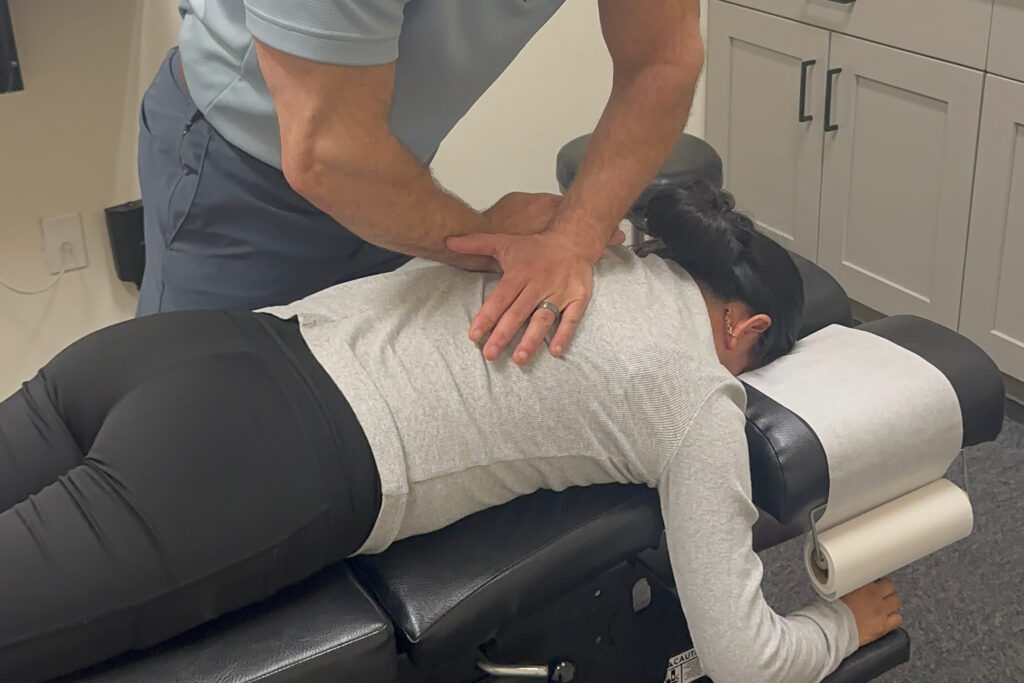
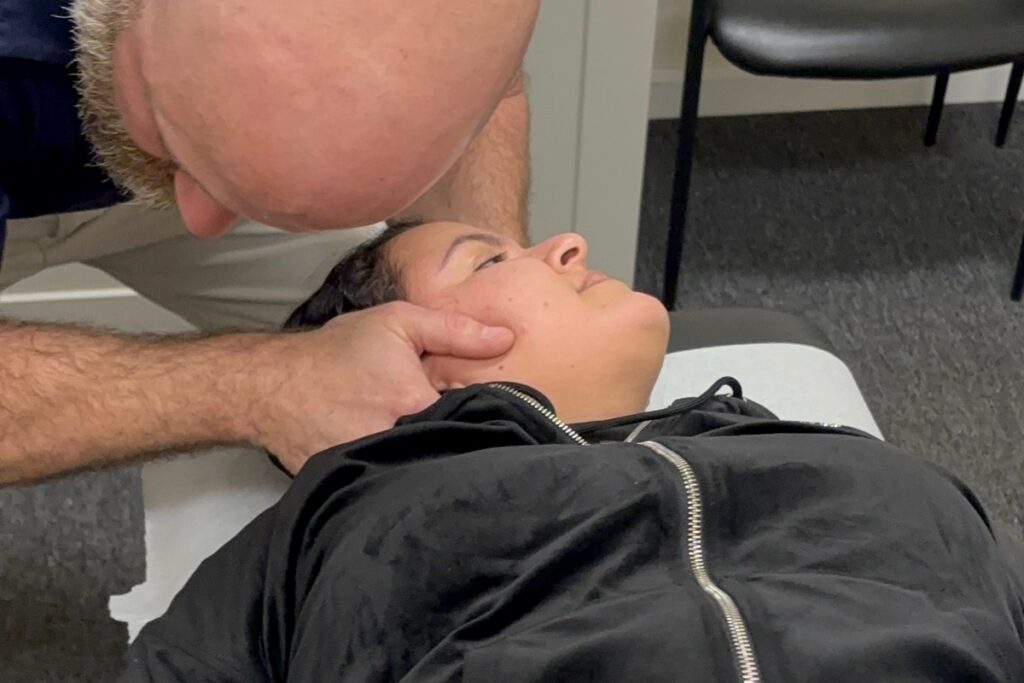
First, let’s talk about the importance of spinal health. Misalignments in the spine can contribute to tension headaches. Regular chiropractic adjustments can help realign your spine, improve your posture, and reduce tension in the muscles around your neck and shoulders. This can lead to significant relief from headache pain.
In addition to chiropractic care, there are several lifestyle adjustments you can make to further alleviate tension headaches. Here are some effective strategies:
- Manage Stress: Stress is a major contributor to tension headaches. Incorporating relaxation techniques such as deep breathing exercises, meditation, or gentle yoga can help soothe your mind and body.
- Stay Hydrated: Dehydration can trigger headaches. Make sure you drink plenty of water throughout the day to keep your body hydrated and functioning at its best.
- Ergonomics Matter: Assess your workspace and daily habits. Ensure that your desk, chair, and computer are set up to promote good posture. Taking breaks to stretch and move can also prevent tension from building up.
- Regular Exercise: Engaging in regular physical activity can help reduce stress and improve overall circulation, which may help prevent headaches. Aim for activities that you enjoy, such as walking, swimming, or biking.
- Sleep Well: Quality sleep is essential for overall health. Establish a regular sleep schedule and create a calming bedtime routine to improve your sleep quality.
- Nutritional Support: Eating a balanced diet rich in fruits, vegetables, whole grains, and lean proteins can support your overall health and may help reduce headache frequency.
Remember, the journey to feeling better starts with small, manageable steps. By incorporating these strategies and prioritizing chiropractic care, you can effectively manage tension headaches and enhance your overall well-being. If you’re struggling with frequent headaches, don’t hesitate to reach out for a chiropractic consultation. Together, we can work towards achieving optimal health and comfort.
Key Takeaways
- Maintaining good posture is essential for your overall health. By adjusting your seating and workspace, you can significantly reduce muscle tension and strain on your neck and back, which are common culprits of tension headaches. Remember, your spine is the foundation of your health, so keeping it aligned is key.
- Staying hydrated is another simple yet effective way to combat headaches. Drinking plenty of water throughout the day and incorporating water-rich foods like fruits and vegetables into your diet can help maintain your body’s hydration levels. A well-hydrated body is less prone to tension and discomfort.
- Incorporating relaxation techniques into your daily routine can work wonders for alleviating stress and tension. Practices like deep breathing, meditation, or progressive muscle relaxation can help calm your mind and body, ultimately reducing the frequency of tension headaches.
- Regular physical activity is not just good for your body; it’s also great for your spine. Activities such as walking or yoga help release endorphins, which can diminish muscle tightness associated with tension headaches. Plus, these activities promote flexibility and strength that support spinal health.
- I highly recommend scheduling regular chiropractic visits as part of your wellness routine. Chiropractic care focuses on promoting spinal alignment and can address underlying issues that contribute to headache frequency and intensity. By choosing chiropractic, you’re opting for a natural approach to pain relief that emphasizes healing and wellness without the need for medications or surgeries.
By incorporating these simple strategies into your everyday life, you can take proactive steps toward reducing tension headaches and enhancing your overall well-being. Remember, your spine is your lifeline, and chiropractic care is here to support you on your journey to optimal health!
Understanding Tension Headaches
Tension headaches, often felt as a tight band around your head, are one of the most common headaches people encounter. If you’re experiencing a dull, aching pain that lingers from 30 minutes to several days, it could be related to muscle tension in your neck, shoulders, and scalp. This tension is often triggered by stress, poor posture, or fatigue.
You may find that your headache tends to worsen as the day progresses, particularly if you’ve been sitting at a desk for an extended period. While tension headaches can come with sensitivity to light or sound, they typically don’t cause nausea. Recognizing the signs early can help you manage them more effectively.
As a chiropractor, I want to emphasize that understanding your body’s signals is crucial. Pay attention to what may be triggering your tension headaches. Common triggers include prolonged periods of poor posture, stress levels, and even lack of hydration.
One of the best ways to address tension headaches naturally is through chiropractic care. By focusing on spinal alignment and muscle relaxation, we can help relieve the tension that contributes to your headaches. Chiropractic adjustments can restore proper function to the spine and improve overall wellness, making it a great choice for managing pain and preventing future headaches.
In addition to chiropractic care, consider incorporating some simple strategies into your daily routine to help reduce the frequency of tension headaches:
- Practice Good Posture: Being mindful of your posture while sitting or standing can reduce strain on your neck and shoulders.
- Take Breaks: If you work at a desk, take regular breaks to stand, stretch, and move around.
- Stay Hydrated: Drink plenty of water throughout the day to keep your body and muscles hydrated.
- Manage Stress: Engage in relaxation techniques such as deep breathing, meditation, or yoga to help alleviate stress.
- Regular Exercise: Incorporate physical activity into your routine to help reduce muscle tension and improve overall health.
Practice Relaxation Techniques
If you’re experiencing the discomfort of tension headaches, incorporating relaxation techniques can be a fantastic way to support pain relief and overall wellness. One effective method is to find a quiet space where you can concentrate on your breathing. Close your eyes and take slow, deep breaths—inhale through your nose and exhale through your mouth. This mindful breathing can help calm your mind and ease tension in your body.
Another beneficial technique is progressive muscle relaxation. Begin by tensing and then releasing each muscle group, starting from your toes and working your way up to your head. This practice helps you become more aware of where you hold tension and allows you to let it go.
Guided imagery can also be useful. Picture a serene scene or a tranquil place that brings you peace. This mental escape can help distract you from headache discomfort and promote relaxation.
Additionally, incorporating mindfulness meditation into your daily routine can enhance your relaxation efforts. Even setting aside just a few minutes each day to focus on the present moment can alleviate stress and tension.
Remember, while these techniques are beneficial, regular chiropractic care can be a cornerstone of your journey to optimal health. Chiropractic adjustments help align your spine, which can reduce tension and improve your overall well-being.
Stay Hydrated
Staying hydrated is vital for overall wellness and can play a significant role in preventing tension headaches. When your body is dehydrated, it can send out signals like fatigue and dizziness, which may worsen your headache symptoms.
As a chiropractor, I want to emphasize that maintaining proper hydration isn’t just about drinking water; it’s also about supporting your spine and nervous system, which can ultimately lead to better health and reduced pain.
Here are some simple hydration tips to help you keep your water intake on track throughout the day, promoting both spinal health and overall well-being:
- Set Reminders: Use your phone or a timer to remind you to drink water regularly. Small, frequent sips are often more effective than trying to drink large amounts at once.
- Infuse Your Water: If plain water isn’t appealing, consider infusing it with fruits like lemon, berries, or cucumber. This can make hydration more enjoyable and encourage you to drink more.
- Eat Water-Rich Foods: Incorporate fruits and vegetables with high water content into your meals, such as cucumbers, watermelon, and oranges. These not only hydrate but also provide essential nutrients that support your overall health.
- Carry a Water Bottle: Keeping a reusable water bottle with you can serve as a constant reminder to stay hydrated. Aim to refill it several times a day to reach your hydration goals.
- Listen to Your Body: Pay attention to signals from your body. If you’re feeling tired or notice a headache creeping in, it may be a sign that you need to hydrate.
- Combine with Chiropractic Care: Regular chiropractic adjustments can help improve your overall health, including your hydration levels. A well-aligned spine supports better nerve function and circulation, which can enhance your body’s ability to utilize hydration effectively.
Remember, hydration is an essential part of a holistic approach to health that includes spinal care. By taking these simple steps, you can help prevent headaches and support your body’s natural healing processes, all while positioning chiropractic care as a cornerstone of your wellness journey.
Stay hydrated, and take care of your spine!
Importance of Water Intake
Hydration is a crucial aspect of maintaining overall health, and it plays a significant role in preventing tension headaches. As your local chiropractor, I want to emphasize that when your body becomes dehydrated, it can lead to discomfort, including headaches. Did you know that your brain is comprised of about 75% water? It needs proper hydration to function at its best.
By ensuring you drink enough water, you can help alleviate muscle tension and enhance circulation, both of which are vital in preventing headaches.
To make hydration a regular part of your daily routine, try to drink water consistently throughout the day. A great tip is to carry a reusable water bottle with you, serving as a reminder to sip regularly. Additionally, incorporating hydrating foods like fruits and vegetables can naturally boost your water intake.
Remember, staying hydrated isn’t just about satisfying your thirst; it’s a proactive approach to reducing tension headaches while also supporting your overall wellness.
Chiropractic care can also play an important role in managing headaches and improving your general well-being. By addressing spinal alignment and promoting healthy movement, chiropractic adjustments can help relieve tension and improve your body’s ability to cope with stress.
Signs of Dehydration
Recognizing the signs of dehydration is vital for maintaining your overall health and can even help prevent tension headaches. When your body is dehydrated, it struggles to function optimally, which can lead to discomfort and pain. As a chiropractor, I want to provide you with some simple signs to look out for, along with helpful actions you can take to stay hydrated and promote your well-being.
| Sign | Description | Action Needed |
|---|---|---|
| Thirst | You often feel thirsty | Drink water immediately to hydrate your body. Remember, staying well-hydrated supports your spinal health too! |
| Dry Mouth | Your mouth feels parched | Sip on fluids regularly. Herbal teas and water are great options to keep your mouth moist and your body hydrated. |
| Dark Urine | Your urine appears darker than usual | Increase your water intake. Clear urine is a good sign of hydration, which helps your body function better. |
| Fatigue | You feel unusually tired | Take a break to rest and hydrate. Adequate hydration can boost your energy levels and overall vitality. |
Incorporating regular water breaks into your day can help ensure you’re giving your body the fluids it needs. Remember, proper hydration supports not just your overall health but also the health of your spine, which is key to enhancing your quality of life. So, drink up and keep your body functioning at its best!
Hydration Tips and Tricks
Staying properly hydrated is essential for your overall health and can significantly contribute to reducing discomfort, such as tension headaches. When your body is well-hydrated, it naturally functions more efficiently, which can alleviate some of the stress on your spine and prevent headaches.
Here are some easy hydration tips that can help you maintain optimal health and wellness:
- Carry a water bottle: Keeping a water bottle with you encourages regular sipping throughout the day, ensuring you’re consistently hydrating your body.
- Set reminders: Utilize your phone or an app to set reminders to drink water periodically. Regular hydration can help your body function at its best, which is crucial for spinal health.
- Infuse your water: Enhance your water by adding fruits or herbs. This not only makes hydration more enjoyable but can also encourage you to drink more, supporting your body in its natural healing processes.
Remember, proper hydration is just one aspect of health and wellness. Alongside drinking enough water, consider visiting your chiropractor regularly.
Chiropractic care can improve your spinal health and overall well-being, helping your body to heal naturally and effectively. By integrating good hydration habits with regular chiropractic adjustments, you can work towards a pain-free, healthier life.
Maintain Good Posture
Maintaining good posture is essential for your overall health and can significantly reduce the occurrence and severity of tension headaches. As a chiropractor, I emphasize the importance of proper alignment in your daily activities. When sitting or standing, aim to keep your back straight, shoulders relaxed, and head aligned with your spine. Avoid slouching or leaning forward, as these positions can place unnecessary strain on your neck and shoulder muscles, leading to discomfort and headaches.
For those of you who spend extended hours at a desk, it’s crucial to adjust your workspace to encourage better posture. Position your computer screen at eye level and use a chair that provides adequate support for your lower back. Remember to take short breaks to stretch and reset your posture throughout the day. These simple adjustments can make a world of difference in how you feel.
Additionally, being mindful of your posture while walking or resting can enhance your well-being. By consciously aligning your body, you can reduce muscle tension and improve blood circulation, which contributes to preventing headaches. This small change can lead to a more comfortable and headache-free day.
Incorporating chiropractic care into your wellness routine can further support your posture and overall health. Regular adjustments can help align your spine, relieve tension, and promote better posture habits.
Incorporate Regular Exercise
Incorporating regular exercise into your daily routine can significantly help in reducing tension headaches and enhancing your overall well-being. As a chiropractor, I can tell you that maintaining a healthy spine is crucial for optimal health, and exercise plays a key role in this process. Engaging in activities like walking, yoga, and stretching not only alleviates pain but also promotes spinal health.
Let’s explore the benefits of exercise, the types of activities you can engage in, and how to create a personalized routine that fits your lifestyle.
Benefits of Regular Exercise:
- Reduces Muscle Tension: Regular physical activity helps to relieve muscle tightness and improve circulation, which can reduce the frequency and intensity of tension headaches.
- Enhances Flexibility: Stretching and yoga improve flexibility and posture, helping to alleviate pressure on your spine and nervous system.
- Boosts Mood: Exercise releases endorphins, which can help to enhance your mood and reduce stress, contributing to a healthier mind and body connection.
Types of Exercises to Consider:
- Walking: A simple yet effective way to get moving. Aim for at least 30 minutes a day to reap the benefits.
- Yoga: This practice not only stretches the muscles but also promotes mindfulness and relaxation, which can be beneficial for headache relief.
- Stretching: Incorporating daily stretching can help maintain flexibility and reduce tension in the neck and shoulders, common areas for tension headaches.
Creating a Routine:
- Start Small: If you’re new to exercise, begin with short sessions and gradually increase the duration and intensity.
- Find Activities You Enjoy: Choose exercises that you find enjoyable to make it easier to stick with your routine.
- Listen to Your Body: Pay attention to how your body feels during and after exercise. If you experience pain, it’s essential to adjust your activities accordingly.
In addition to exercise, consider regular chiropractic care as a natural way to support your spine and overall health. Chiropractors can help identify misalignments and tension in the body, offering adjustments and guidance to enhance your wellness journey.
Benefits of Regular Activity
Regular physical activity can significantly alleviate the frequency and intensity of tension headaches, making it an essential component of your wellness routine.
As a chiropractor, I believe that maintaining an active lifestyle not only strengthens your body but also enhances your overall health. Here are some valuable benefits you can expect from regular exercise:
- Stress Relief: Engaging in physical activity releases endorphins—natural mood lifters that help reduce stress levels. Since stress is a common trigger for headaches, finding ways to manage it through exercise can be incredibly beneficial.
- Improved Sleep: Regular movement contributes to better sleep quality. When you sleep well, your body has the opportunity to recover, which can lead to a decrease in headache occurrences. Establishing a consistent exercise routine can promote restful nights.
- Enhanced Blood Circulation: Exercise boosts circulation, ensuring that your brain receives the oxygen and nutrients it needs to function optimally. Improved blood flow can help mitigate headache discomfort, allowing you to feel your best.
In addition to these benefits, consider incorporating gentle stretches and chiropractic adjustments into your routine.
These practices can help align your spine, relieve tension in your muscles, and support overall wellness.
Types of Effective Exercises
Finding the right types of exercises can significantly help in managing tension headaches, and as your local chiropractor, I’m here to guide you through effective options that promote natural healing and overall wellness.
Focus on low-impact activities that not only promote relaxation but also help relieve muscle tension, especially in your neck and shoulders. Simple stretching exercises, such as neck rolls and shoulder shrugs, can be incredibly beneficial in releasing tightness and improving spinal alignment.
Incorporating yoga into your routine can enhance flexibility while fostering mindfulness, which in turn helps reduce stress levels. The connection between mind and body is essential for optimal health, and yoga is a fantastic way to achieve that balance.
Aerobic exercises like walking or cycling are also valuable; they elevate your heart rate and boost your body’s natural endorphins, which can help fend off headaches and improve your mood.
Additionally, don’t underestimate the power of deep breathing exercises. These can calm your mind, reduce tension, and help you navigate everyday stressors more effectively. By integrating these gentle yet effective exercises into your daily life, you’re likely to see a positive impact not only on your headaches but on your overall well-being.
Remember, chiropractic care is a key component of achieving optimal health. Regular adjustments can help align your spine, improve nerve function, and enhance your body’s natural ability to heal.
Exercise Routine Recommendations
Establishing a consistent exercise routine is a vital step in managing tension headaches and enhancing your overall well-being. As a local chiropractor, I want to emphasize the importance of a healthy lifestyle that complements spinal health.
Regular physical activity can significantly reduce stress and improve blood circulation, both of which are key in alleviating headache symptoms. Here are some simple recommendations to help you get started on your journey to wellness:
- Aim for 30 minutes of moderate exercise most days. Activities like brisk walking or cycling can be great options. Remember, the goal is to keep your body moving, and finding something you enjoy makes it easier to stick with it!
- Incorporate stretching and flexibility exercises into your routine. Practices like yoga or Pilates are excellent for releasing muscle tension and promoting spinal health. These exercises not only help with flexibility but also contribute to overall relaxation.
- Try relaxation techniques such as deep breathing or meditation after your workout. These methods can further reduce stress and promote a sense of calm, which is beneficial for managing headaches.
Always remember that chiropractic care is a natural and effective way to support your body’s ability to heal itself.
Regular chiropractic adjustments can help maintain proper spinal alignment, which is essential for overall health and can reduce the frequency and intensity of headaches.
Manage Stress Effectively
While you may not be able to control all the stressors in your life, how you respond to them can greatly impact your overall well-being, especially when it comes to your spinal health and overall wellness. Start by identifying what triggers your stress. Is it work deadlines, family obligations, or other life pressures? Recognizing these triggers can help you develop effective coping strategies.
One powerful way to manage stress is through mindfulness techniques, such as deep breathing or meditation. These practices not only help calm your mind but can also alleviate tension in your body, particularly in your spine. By taking a moment to breathe deeply, you can lower your heart rate and promote clarity, which is essential for maintaining a healthy posture and spinal alignment.
Another effective approach is time management. Break your tasks into smaller, manageable chunks and prioritize them. This way, you can avoid feeling overwhelmed, which often leads to physical tension in the back and neck areas. Remember, a well-aligned spine contributes to better stress management.
Don’t hesitate to reach out for support. Talking to friends or family can provide perspective and reduce feelings of isolation, which can also impact your spinal health. Additionally, chiropractic care can be a wonderful resource for managing stress and tension. Regular adjustments can help keep your spine aligned, reduce muscle tension, and promote relaxation.
Finally, remember to take breaks. Stepping away from a stressful situation, even for a few minutes, allows your body to reset. Whether it’s stretching or a quick walk, these moments can help you regain focus and energy, all of which contribute to maintaining a healthy spine and overall well-being.
Incorporating these strategies into your daily routine can’t only help you manage stress but also enhance your overall health. Consider chiropractic care as a natural, effective way to support your journey toward optimal wellness.
Create a Calm Environment
Creating a calm environment is an essential step in managing stress and reducing tension headaches, which can often be linked to misalignments in the spine.
By making simple adjustments to your surroundings, you can foster a soothing atmosphere that not only promotes relaxation but also supports your overall well-being. Here are three effective strategies to help you achieve that:
- Declutter your space: Start by removing unnecessary items from your desk or living area. A tidy environment can lead to a clearer mind and help you feel more in control. This is particularly important for those of us who may be experiencing discomfort due to tension in the body.
- Adjust lighting: Opt for soft, natural light or dim lamps to create a cozy ambiance. Bright, harsh lights can exacerbate discomfort, especially for those dealing with headaches. A calming light can help ease the strain on your eyes and mind, making it easier to relax.
- Incorporate soothing sounds: Playing gentle music or nature sounds can help drown out distractions and create a tranquil atmosphere. Calming audio can aid in unwinding and improve your focus, which is beneficial for both your mental state and your spinal health.
By taking these simple steps to create a calming environment, you aren’t only supporting your mental well-being but also giving your body the chance to heal naturally.
Use Cold or Warm Compresses
As a local chiropractor, I’d like to share how using cold or warm compresses can be a natural and effective way to alleviate tension headaches, while also highlighting the importance of chiropractic care for overall wellness.
When you experience a tension headache, applying a cold compress can provide immediate relief. The cold helps constrict blood vessels, reducing inflammation and numbing the pain. To create a cold compress, simply wrap ice or a cold pack in a cloth and place it on your forehead or the back of your neck for about 15-20 minutes. This method not only eases the headache but can also complement the adjustments and care you receive in chiropractic sessions.
On the other hand, warm compresses are excellent for relaxing tight muscles and increasing circulation. You can use a warm towel or a heating pad, applying it to the same areas for soothing relief. Pay attention to your comfort level; if something feels too hot or too cold, make sure to adjust it.
By incorporating both cold and warm compresses into your routine, you can enhance the benefits of chiropractic care and help manage tension headaches more effectively.
Remember, while compresses can provide relief, regular chiropractic adjustments are essential for maintaining spinal alignment and overall health. By addressing the root causes of your headaches, chiropractic care can help prevent them from occurring in the first place.
Experiment with these methods and consult with your chiropractor to find the best approach for your individual needs. Together, we can work towards achieving optimal health and wellness!
Explore Dietary Changes
Making dietary changes can significantly enhance your overall wellness and may help in managing tension headaches. As a chiropractor, I believe in a holistic approach to health that includes not just spinal care but also proper nutrition. By being mindful of what you eat, you can potentially reduce the frequency and severity of headaches.
Here are some practical dietary tips to consider:
- Stay Hydrated: Dehydration is a common trigger for headaches. Ensure you drink plenty of water throughout the day—aim for at least eight 8-ounce glasses. Proper hydration can support spinal health and overall body function.
- Limit Caffeine: While some people find caffeine can relieve headaches, too much can lead to withdrawal headaches. Try to moderate your caffeine intake to see how it affects your body. Remember, balance is key!
- Eat Regularly: Skipping meals can cause your blood sugar levels to drop, which may trigger headaches. Make it a habit to eat regular meals and consider healthy snacks like nuts or fruits to keep your energy levels stable throughout the day.
Incorporating these dietary changes into your daily routine can complement your chiropractic care and promote a more balanced lifestyle. Each body is unique, so pay attention to how these adjustments affect you.
Conclusion
Incorporating simple strategies into your daily routine can significantly alleviate tension headaches and enhance your overall well-being. As a chiropractor, I emphasize the importance of spinal health and how it relates to headache relief. By practicing relaxation techniques, like deep breathing or gentle stretches, you can help reduce muscle tension that often contributes to headaches. Staying hydrated is also crucial, as dehydration can lead to discomfort and pain.
Maintaining good posture not only supports spinal alignment but also helps prevent headaches from escalating. Regular chiropractic adjustments can ensure your spine is in optimal condition, which can lead to fewer headaches in the long run. Additionally, engaging in regular exercise and managing stress effectively are vital for preventing future episodes.
Creating a calm, peaceful environment can enhance relaxation, and exploring dietary changes that align with your body’s needs can also be beneficial. With chiropractic care as a cornerstone of your wellness journey, along with these simple strategies, you’ll be well-equipped to enjoy life without the burden of tension headaches. Remember, your spine is the foundation of your health—nurturing it can lead to a happier, healthier you!