
Tension headaches can significantly disrupt your daily routine and diminish your overall quality of life. As a local chiropractor, I believe that understanding the underlying causes and recognizing potential triggers is key to preventing these headaches. By adopting proactive measures, you can take control of your health and well-being.
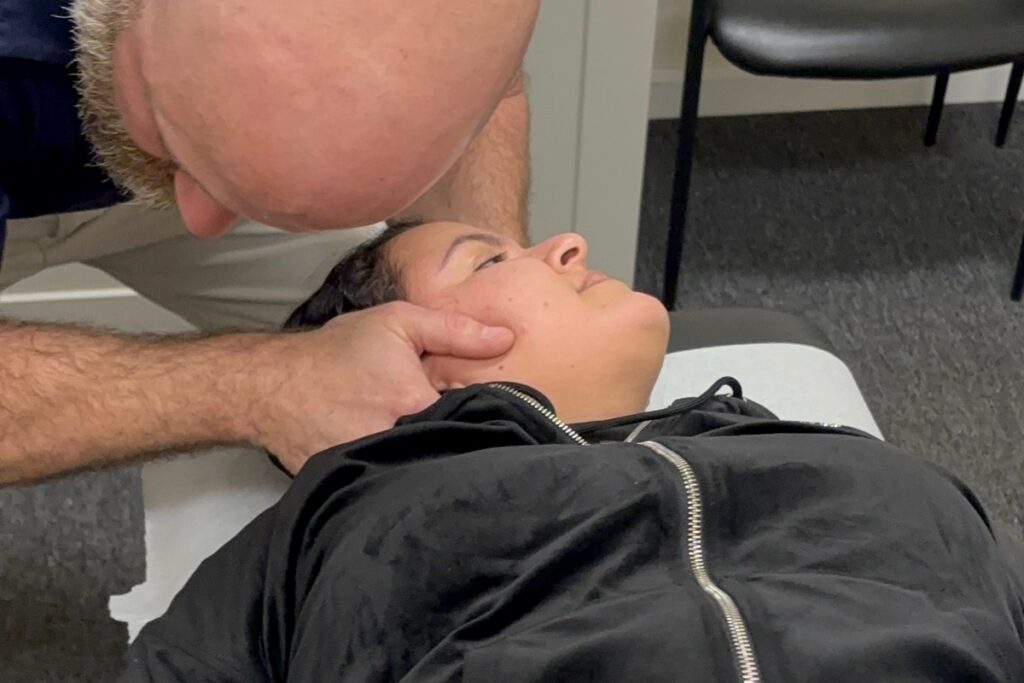
One of the most effective ways to combat tension headaches is through chiropractic care. Regular chiropractic adjustments can help ensure that your spine is properly aligned, which can alleviate tension in your neck and shoulders—areas that often contribute to headache pain. By addressing these issues naturally, you can find relief without the need for medications or invasive procedures.
In addition to chiropractic care, it’s important to incorporate stress management techniques into your daily routine. Practices like deep breathing exercises, yoga, or meditation can help reduce stress and prevent the onset of headaches. Staying hydrated is also crucial; dehydration can be a significant trigger for headaches, so aim to drink plenty of water throughout the day.
Don’t underestimate the power of a good night’s sleep. Prioritizing rest not only helps you feel better overall but can also reduce the frequency of tension headaches. Creating a calming bedtime routine and ensuring a comfortable sleep environment can make a big difference.
Moreover, simple lifestyle changes can have a profound impact. Make sure to take regular breaks during work or prolonged activities to stretch and relax your muscles. Pay attention to your posture, especially if you spend long hours at a desk—consider using ergonomic furniture to support your spine.
Remember, managing tension headaches is about creating a holistic approach to your health. By embracing chiropractic care alongside these lifestyle tips, you can work towards optimal wellness and keep tension headaches at bay. Your journey to a pain-free life starts with small, consistent changes!
Key Takeaways
Stop Tension Headaches Before They Start
As a local chiropractor, I want to share some effective strategies to help you manage tension headaches naturally and promote overall wellness. Here are some simple tips to keep those pesky headaches at bay:
- Manage Stress Naturally: Set realistic deadlines and practice mindfulness to reduce stress. Open communication in your daily interactions can also help ease tension, which is a common headache trigger. Remember, a calm mind contributes to a relaxed body.
- Posture Matters: Maintaining proper posture while sitting or using devices is crucial for spinal health. Slouching can lead to neck and shoulder strain, which often results in headaches. By keeping your spine aligned, you can alleviate discomfort and prevent headaches from occurring.
- Stay Hydrated: Drinking at least 8 cups of water daily is essential for overall health. Hydrating fruits and vegetables can also support your hydration needs. Proper hydration helps maintain optimal spinal function and can reduce the likelihood of tension headaches.
- Sleep Well: Establishing a consistent sleep routine can significantly enhance your sleep quality and overall well-being. Incorporate relaxation techniques before bed, such as gentle stretches or deep breathing, to prepare your body for restorative sleep. Good sleep supports spinal health and helps prevent headaches.
- Move Your Body: Engaging in regular moderate exercise, like walking or yoga, is beneficial for your body and mind. Physical activity releases endorphins, which are natural stress relievers. Plus, exercise promotes a healthy spine and can help reduce the frequency of tension headaches.
Remember, chiropractic care plays a vital role in achieving optimal health and preventing headaches. Regular adjustments can help keep your spine aligned, reduce muscle tension, and enhance your overall well-being. If you’re experiencing persistent headaches, I encourage you to explore the benefits of chiropractic care as a natural solution for pain relief and wellness.
Understanding Tension Headaches
Tension headaches are common and often triggered by stress or poor posture. Many people describe the sensation as a tight band squeezing around their head. You may experience dull, aching pain, along with tenderness in your scalp, neck, or shoulders. Sensitivity to light or sound can also accompany these headaches. They can last anywhere from 30 minutes to several days, often causing frustration and disruption to your daily activities.
Unlike migraines, tension headaches typically don’t include nausea or vomiting, but they can still be quite debilitating.
Understanding how tension headaches develop is crucial for prevention. They frequently stem from muscle tension and stress accumulation, leading to discomfort. You might notice these headaches cropping up after long hours of sitting or working without taking breaks. By paying attention to your body’s signals, you can take proactive steps to alleviate tension and reduce headache frequency.
One of the most effective ways to address tension headaches is through chiropractic care. A chiropractor can help identify misalignments in your spine that may contribute to muscle tension and headaches. By realigning your spine and improving your posture, chiropractic adjustments can relieve tension and promote overall wellness.
In addition to chiropractic care, there are simple changes you can make in your daily routine to help minimize tension headaches. Consider adjusting your workstation to ensure proper ergonomics, which can reduce strain on your neck and shoulders. Incorporating regular breaks into your workday is also essential; stand up, stretch, and move around to keep your muscles relaxed.
Practicing relaxation techniques, such as deep breathing or meditation, can also help manage stress levels and reduce the frequency of headaches. Staying hydrated and maintaining a balanced diet can further support your overall health and wellness.
Identifying Common Triggers
To effectively manage and alleviate tension headaches, it’s essential to identify and address what triggers them. Common culprits include stress, poor posture, and dehydration. These factors can often be managed through simple lifestyle adjustments and chiropractic care, which focuses on promoting natural healing and optimal health.
Stress can lead to muscle tension in the neck and shoulders, contributing to headaches. Regular chiropractic adjustments can help relieve this tension and restore balance to your spine, promoting overall relaxation.
Additionally, improving your posture—especially if you spend long hours sitting—can significantly reduce the strain on your muscles and nerves, helping to prevent headaches from occurring.
Dehydration is another common trigger for tension headaches. Make sure to drink plenty of water throughout the day to stay hydrated.
Consider incorporating stretches and exercises that promote spinal health and relaxation as part of your daily routine.
By recognizing these factors and taking proactive steps—like regular chiropractic visits and practicing good hydration and posture habits—you can effectively reduce the frequency of your tension headaches and enhance your overall well-being.
Stress Management Techniques
Identifying common triggers for stress is a crucial step in managing tension headaches, and as a chiropractor, I understand how interconnected our physical and mental well-being can be. By recognizing what causes your stress, you can take proactive measures to reduce its impact and promote a healthier lifestyle.
Here are some common stress triggers to consider, along with tips that can help you manage them naturally:
- Work Deadlines: Tight schedules can create overwhelming pressure. To alleviate this, consider setting realistic goals and breaking tasks into smaller, manageable steps. Regular chiropractic adjustments can also help your body cope with the physical strain that stress can place on your spine and overall health.
- Financial Worries: Money concerns often lead to increased anxiety. Practicing mindfulness and focusing on your breathing can help ease this stress. Additionally, maintaining good spinal alignment through chiropractic care can enhance your overall well-being, allowing you to approach financial challenges with a clearer mind.
- Relationship Conflicts: Tension with loved ones can be a significant strain. Open communication and spending quality time with those you care about can help strengthen these relationships. Regular chiropractic sessions not only promote relaxation but can also help reduce physical manifestations of stress, such as tension in your neck and shoulders.
- Lack of Sleep: Fatigue can heighten stress levels and trigger headaches. Establishing a calming bedtime routine and ensuring your sleep environment is comfortable can improve your sleep quality. Chiropractic care can also assist in addressing any spinal misalignments that may be disrupting your sleep.
- Overcommitting: Taking on too many responsibilities can lead to burnout. It’s important to set boundaries and prioritize self-care. Incorporating regular chiropractic visits into your wellness routine can help you maintain a balanced body and mind, allowing you to manage your commitments more effectively.
By recognizing these stress triggers and taking steps to address them, you can improve your overall health and well-being.
Poor Posture Awareness
Poor posture is a significant contributor to stress and discomfort, often leading to tension headaches. Many people unknowingly slouch at their desks or hunch over their phones, which places undue strain on the neck and shoulders. This misalignment can result in tightness and pain that may culminate in a headache.
As a local chiropractor, I want to emphasize the importance of posture awareness in maintaining your overall health and wellness. By being mindful of how you hold your body throughout the day, you can help reduce the occurrence of tension headaches.
Here are some simple tips to improve your posture and promote a healthier spine:
- Sit Up Straight: When seated, keep your back straight, shoulders relaxed, and feet flat on the floor. This position helps maintain the natural curve of your spine.
- Screen Position: Ensure your computer screen is at eye level to avoid leaning forward or looking down, which can strain your neck.
- Take Breaks: Regularly get up and stretch to relieve tension and reset your posture. Simple neck rolls, shoulder shrugs, and back stretches can work wonders.
- Mind Your Phone Use: If you find yourself frequently using your phone, try to hold it at eye level to prevent hunching over.
- Consider Chiropractic Care: Regular chiropractic adjustments can help realign your spine, reduce tension, and improve overall posture. This natural approach to wellness can significantly alleviate pain and discomfort, leading to a healthier lifestyle.
By incorporating these strategies into your daily routine, you can significantly decrease the likelihood of tension headaches and enhance your overall well-being.
Dehydration Effects
Dehydration can creep up on you, often leading to tension headaches when you least expect it. As a chiropractor, I want to emphasize how important hydration is for maintaining not just your overall health, but also your spinal health. You mightn’t realize the connection until you start feeling that familiar tightness in your head.
Here are some common signs that dehydration could be affecting you:
- Dry mouth or throat
- Fatigue or lack of energy
- Dizziness or lightheadedness
- Dark yellow urine
- Increased irritability or mood swings
Staying properly hydrated is crucial for your well-being and can even support your body’s natural healing processes. Remember, when your body is well-hydrated, it can function optimally, which includes keeping your spine healthy and reducing pain.
Make it a habit to drink water throughout the day, especially if you’re active or in a hot environment. This simple practice can be a game-changer.
In addition to hydration, regular chiropractic care can help align your spine and relieve tension that may contribute to headaches.
By addressing dehydration proactively and incorporating chiropractic care into your wellness routine, you can prevent those pesky tension headaches and promote a healthier, happier life.
Stress Management Techniques
When stress begins to impact your daily life, it’s crucial to find effective management techniques that promote overall wellness and prevent tension headaches. As a chiropractor, I recommend incorporating natural methods that can support your spine and nervous system.
Start by practicing deep breathing exercises. Inhale deeply through your nose, hold for a few seconds, and exhale slowly through your mouth. This simple yet powerful practice not only calms your mind but also helps reduce muscle tension, particularly in your neck and shoulders, areas often affected by stress.
Mindfulness and meditation can also be beneficial. Dedicate just a few minutes each day to center your thoughts and release stress. These practices can help you reconnect with your body, promoting relaxation and enhancing your overall well-being. You might consider progressive muscle relaxation, where you tense and then relax each muscle group. This technique can significantly reduce stress and improve your body’s response to tension.
Regular physical activity plays a vital role in managing stress and maintaining a healthy spine. Aim for at least 30 minutes of moderate exercise most days. Activities like walking, yoga, or swimming not only release built-up tension but also strengthen your body, supporting your spinal health.
Lastly, don’t underestimate the importance of a supportive social network. Sharing your thoughts and feelings with friends or family can provide relief and a fresh perspective, which is essential for managing stress effectively.
Remember, chiropractic care plays a key role in helping you achieve optimal health. Regular adjustments can enhance your body’s ability to cope with stress and promote natural healing.
The Importance of Hydration
Managing stress and promoting overall wellness involves looking at various aspects of your health, and one often overlooked area is hydration. Staying properly hydrated is vital not just for your body, but it also plays a crucial role in preventing tension headaches. When you’re dehydrated, your brain can temporarily shrink, leading to pain and discomfort that can affect your daily life.
As a chiropractor, I want to emphasize how important hydration is for maintaining optimal health and supporting your spine. Here are some key points to consider:
- Water’s Role: Water is essential for maintaining your body’s fluid balance and regulating temperature. Proper hydration supports the health of your discs and joints, which is particularly important for spinal health.
- Signs of Dehydration: Watch for signs like fatigue, a dry mouth, and headaches. These can indicate that you need to increase your fluid intake. Remember, staying hydrated can also help alleviate some types of pain, including those related to spinal issues.
- Daily Intake: Aiming for at least 8 cups of water daily is a good starting point. However, you may need to adjust this amount based on your activity level and the climate you live in. If you’re active or it’s warm outside, you may need even more.
- Hydration Sources: Don’t forget that fruits and vegetables are great sources of hydration. Incorporating them into your meals can help you stay on track with your fluid intake.
- Consistency Matters: Instead of chugging large amounts of water at once, try to sip water regularly throughout the day. This approach is more effective for keeping your body properly hydrated and can help prevent discomfort.
By focusing on hydration and its impact on your overall wellness, you’re taking a proactive step toward better health. As a chiropractor, I encourage you to integrate these hydration tips into your daily routine, as part of a holistic approach to pain relief and natural wellness.
Incorporating Regular Exercise
Regular exercise is one of the most effective ways to reduce tension headaches and enhance your overall well-being, especially when paired with chiropractic care. Engaging in physical activity not only helps to release endorphins—your body’s natural pain relievers—but also promotes better spinal health.
Target at least 30 minutes of moderate exercise most days of the week. Activities such as walking, swimming, or yoga can significantly alleviate stress and tension that often contribute to headaches.
Incorporating regular exercise into your routine can be enjoyable and doesn’t have to feel like a chore. Discover activities that you love—whether it’s dancing, cycling, or hiking—and make them a part of your lifestyle.
Consistency is essential, so consider scheduling your workouts at the same time each day to build a habit. Remember to stretch both before and after exercising to keep your muscles relaxed, maintain flexibility, and prevent strain.
As a chiropractor, I emphasize that along with exercise, regular chiropractic adjustments can further enhance your health journey by ensuring proper spinal alignment, reducing tension, and improving overall body function.
Creating a Healthy Sleep Routine
To create a healthy sleep routine, it’s important to establish a consistent sleep schedule that aligns with your body’s natural rhythms. This regularity can help support spinal health, as a well-rested body is better equipped to maintain proper alignment.
Incorporating relaxation techniques, such as gentle stretching or deep breathing exercises, before bed can calm your mind and prepare your body for restful sleep. These practices can also help relieve tension in your spine and promote overall relaxation.
Additionally, optimizing your sleep environment is crucial for ensuring you get the quality sleep your body craves. Consider investing in a supportive mattress and pillow that promote proper spinal alignment.
A comfortable sleep setting can enhance your recovery and rejuvenation, making chiropractic care even more effective.
Remember, a well-rested body is essential for optimal health, and chiropractic care can play a significant role in achieving this. By prioritizing your sleep routine, you’re not only supporting your overall wellness but also enhancing the benefits of your chiropractic treatments.
Embrace these simple strategies to improve your sleep quality and, in turn, your health!
Consistent Sleep Schedule
While it’s easy to overlook the importance of a consistent sleep schedule, establishing a healthy routine can significantly help reduce the frequency and intensity of tension headaches. As a chiropractor, I know that quality sleep is essential for maintaining spinal health and overall well-being. When you prioritize your sleep, you not only feel more energized but also support your body’s natural healing processes.
Here are some practical tips to help you create a sleep routine that promotes wellness and can contribute to headache relief:
- Set a Regular Bedtime and Wake-Up Time: Try to go to bed and wake up at the same time every day, even on weekends. This consistency helps regulate your body’s internal clock, which can lead to better sleep quality.
- Limit Screen Time Before Bed: Reduce your screen time at least one hour before bed. The blue light from screens can interfere with your ability to fall asleep. Instead, consider reading a book or practicing relaxation techniques.
- Create a Calming Environment: Make your bedroom a peaceful space. Dim the lights, reduce noise, and keep the room cool. A relaxing environment can help signal to your body that it’s time to wind down.
- Avoid Caffeine and Heavy Meals: Steer clear of caffeine and heavy meals close to bedtime. These can disrupt your sleep and leave you feeling restless. Opt for light snacks if you’re hungry.
- Incorporate a Wind-Down Period: Establish a brief wind-down routine before bed. This could include gentle stretches, deep breathing exercises, or meditation. These practices can help ease tension in your body and prepare it for sleep.
By sticking to these habits, you’ll not only support a consistent sleep schedule but also promote a headache-free life.
Remember, chiropractic care can also play a vital role in managing headaches and enhancing your overall health. If you’re experiencing persistent headaches, consider visiting a chiropractor to explore how spinal adjustments can help restore balance and relief in your body.
Your journey to better health and wellness starts with good sleep!
Relaxation Techniques Before Bed
A calming bedtime routine is essential for winding down and preparing your body for a restorative night’s sleep, especially when it comes to supporting spinal health. As a chiropractor, I believe that a relaxed mind and body can significantly contribute to overall wellness, and there are several natural techniques you can incorporate into your nightly routine to enhance your relaxation.
Consider engaging in activities that soothe both your mind and body. Gentle stretching can be particularly beneficial, as it not only helps relieve muscle tension but also supports spinal alignment. Deep breathing exercises are another excellent practice, as they promote relaxation and can help alleviate stress that may contribute to discomfort in your back and neck.
It’s important to limit screen time before bed, as the blue light emitted by devices can interfere with your body’s natural sleep cycle. Instead, consider reading a book that interests you or listening to soft music, which can create a peaceful environment conducive to relaxation.
Here’s a helpful table to remember effective relaxation techniques that support your health:
| Technique | Effect |
|---|---|
| Deep Breathing | Reduces stress levels |
| Gentle Stretching | Relieves muscle tension and supports spinal health |
| Warm Bath | Enhances overall relaxation |
| Herbal Tea | Promotes calmness |
| Journaling | Clears the mind for better sleep |
Implementing these techniques can help you unwind and set the stage for a peaceful slumber, reducing the risk of tension headaches and discomfort in the spine. Remember, chiropractic care is an excellent way to address any existing pain or discomfort, and maintaining a consistent relaxation routine can further enhance your overall well-being. Prioritize your health naturally, and enjoy the benefits of a good night’s sleep!
Sleep Environment Optimization
Creating an ideal sleep environment is vital for achieving the restful sleep you need to prevent tension headaches and support your overall health. As a chiropractor, I believe that a good night’s sleep is essential for maintaining a healthy spine and promoting natural healing in the body.
By optimizing your sleep space, you can enhance your sleep quality and, in turn, your well-being. Here are some practical tips to help you create a healthier sleep routine:
- Keep your bedroom dark and quiet: Minimizing distractions can lead to deeper sleep, allowing your body to repair itself more effectively. Consider using blackout curtains and earplugs or a white noise machine to create a peaceful atmosphere.
- Maintain a cool temperature: Aim for a cooler room temperature, ideally between 60-67°F (15-19°C). A cooler environment can help your body relax and fall into a deeper sleep, which is essential for spinal health and pain relief.
- Invest in a comfortable mattress and supportive pillows: A good mattress and proper pillows are crucial for maintaining your spine’s alignment while you sleep. Look for options that offer both comfort and support, which can prevent stiffness and tension in the morning.
- Limit screen time before bed: Reducing exposure to screens at least an hour before bed helps minimize blue light exposure, which can interfere with your body’s natural sleep cycle. Instead, consider activities like reading or gentle stretches to unwind.
- Establish a consistent sleep schedule: Going to bed and waking up at the same time every day reinforces your body’s natural rhythm. This consistency can improve your sleep quality, helping to alleviate pain and tension.
By focusing on these simple strategies, you can create a sleep environment that promotes natural healing and enhances your overall health.
Conclusion
By prioritizing stress management, staying hydrated, and maintaining a consistent sleep routine, you can effectively prevent tension headaches. As a chiropractor, I can tell you that these practices not only support your overall well-being but also help keep your spine healthy, which is crucial for preventing headaches. Incorporating relaxation techniques and regular exercise into your daily life can significantly release tension and promote natural healing.
Additionally, being mindful of your posture while working is essential. Poor posture can put unnecessary strain on your spine and lead to tension headaches. Consider setting up your workspace ergonomically and taking regular breaks to stretch and move.
Remember, chiropractic care is an excellent way to address the root causes of tension headaches. Regular adjustments can help align your spine, improve nervous system function, and enhance your body’s ability to cope with stress. With these simple habits and the support of chiropractic care, you’ll be well on your way to stopping tension headaches before they start and enjoying a healthier, more balanced life.