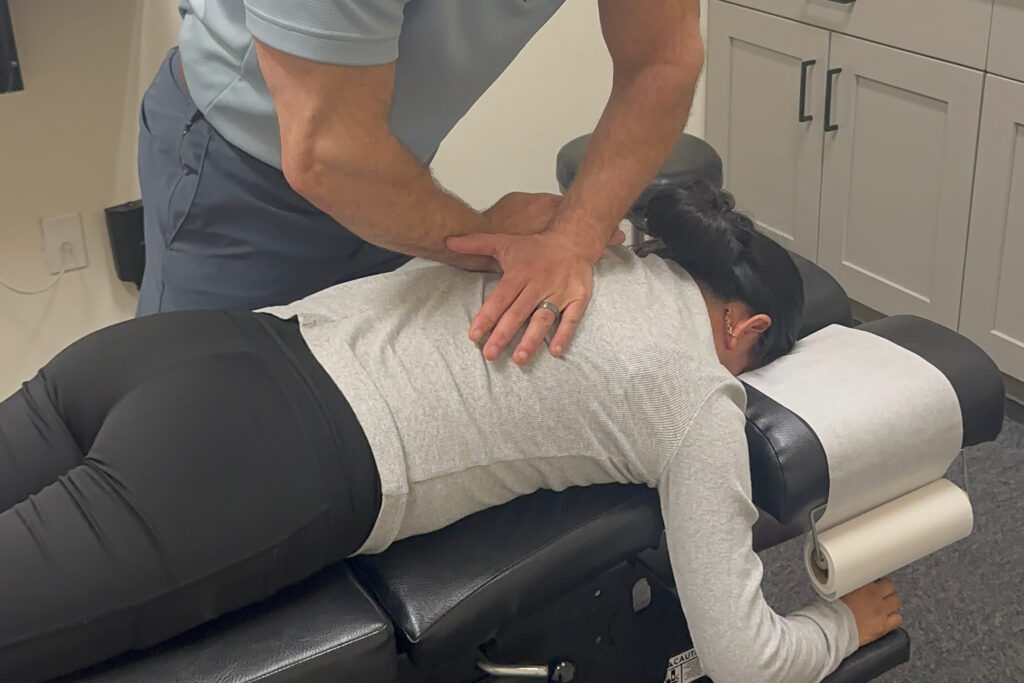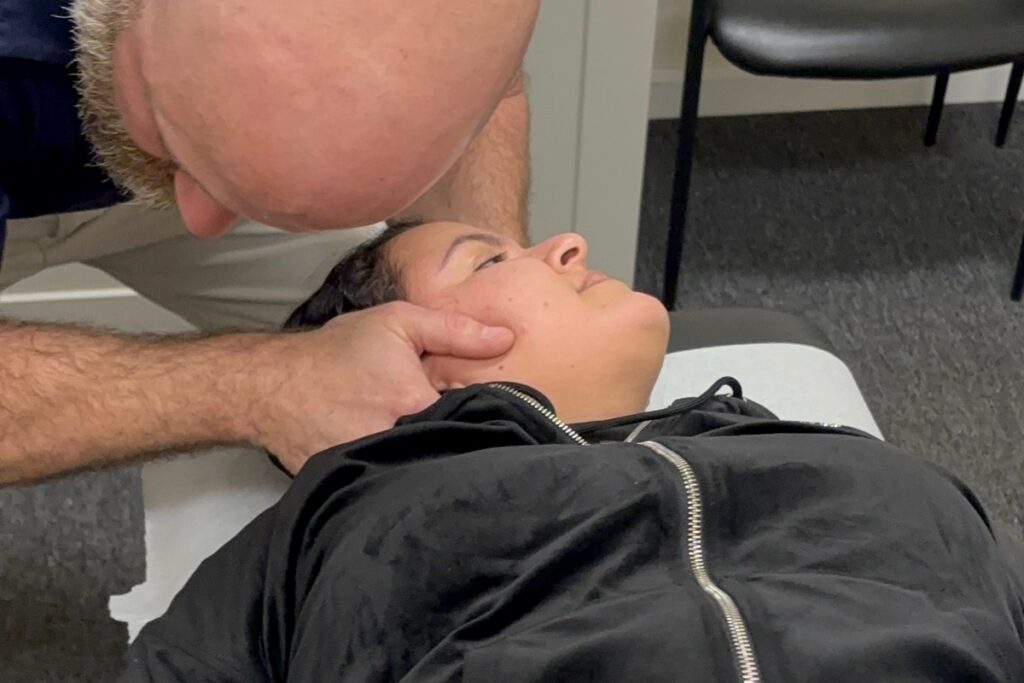

Maintaining good posture and alleviating pain can be simpler than you might think. By making a few easy adjustments to your workspace and incorporating mindful habits into your daily routine, you can significantly enhance your comfort and overall well-being. As a chiropractor, I want to emphasize that these changes not only help with immediate relief but also support your spinal health in the long run. Let’s delve into some effective tips that can help you feel more at ease and supported in your everyday activities, all while highlighting the benefits of chiropractic care for optimal health.
- Adjust Your Workspace: Ensure that your chair and desk are set up to promote good posture. Your feet should be flat on the ground, and your back should be supported by your chair. This alignment helps reduce strain on your spine. If you find yourself slouching, consider using a lumbar support cushion or a rolled towel to keep your back straight. Remember, a well-aligned spine is crucial for overall health, and regular chiropractic adjustments can help maintain that alignment.
- Take Frequent Breaks: Sitting for long periods can lead to discomfort and poor posture. Make it a habit to stand up, stretch, and move around every 30 minutes. Simple stretches can relieve tension and improve circulation, which is essential for spinal health. By incorporating chiropractic care into your routine, you can enhance the benefits of these breaks and ensure your spine stays in the best possible condition.
- Mind Your Movements: Be conscious of how you move throughout the day. When lifting objects, bend at the knees instead of the waist to protect your back. This simple adjustment can prevent injuries and promote better spinal health. Additionally, regular chiropractic adjustments can further support your body’s natural movement patterns, helping you maintain proper form and reduce the risk of pain.
By integrating these simple practices into your daily life, you can experience significant improvements in your comfort and well-being. Chiropractic care is an excellent option for those seeking natural pain relief and a pathway to optimal health. Remember, your spine is the foundation of your health—taking steps to care for it can lead to a happier, healthier you!
Key Takeaways
- Make sure your chair is adjusted so that your feet rest flat on the ground and your knees are in line with your hips. This simple change can provide excellent support for your spine and help alleviate discomfort.
- Keep your monitor at eye level and about an arm’s length away. This positioning helps to prevent neck strain and reduces the risk of eye fatigue, allowing you to work comfortably for longer periods.
- Don’t forget to take breaks and stretch regularly! Simple movements like neck rolls and shoulder shrugs can significantly relieve tension, especially during those long hours of sitting.
- Strengthening your core is crucial for maintaining good posture. Incorporate exercises like planks into your routine at least two to three times a week. A strong core supports your spine and can lead to lasting improvements in your posture.
- Be mindful of your posture throughout the day. Take a moment to check in with yourself and make adjustments as needed. By staying aware of your body, you can reduce discomfort and promote a healthier spine.
Remember, chiropractic care is a fantastic way to support your journey towards better posture and overall wellness. Regular visits to your chiropractor can help you maintain proper alignment and provide you with personalized strategies for a healthier lifestyle.
Adjust Your Workspace Ergonomics
To create a comfortable and productive workspace that promotes your overall wellness, it’s essential to focus on your ergonomics. As a chiropractor, I can’t stress enough the importance of proper posture and alignment. Start by adjusting your chair so that your feet rest flat on the ground, with your knees at hip level. This position allows your spine to maintain its natural curve, supported by the chair’s lumbar support.
Next, position your desk so that your monitor is at eye level, about an arm’s length away. This setup not only helps prevent neck strain but also reduces the risk of eye fatigue.
Your keyboard and mouse should be placed close enough to you to avoid excessive reaching, ideally at elbow height. This way, your wrists can remain straight while you type, which is crucial for maintaining good wrist health. If you’re working from a laptop, consider using an external keyboard and mouse to create a more ergonomic arrangement.
In addition, keep essential items within arm’s reach. This minimizes the need for twisting or stretching, which can lead to discomfort over time. Remember, small adjustments can lead to significant improvements in your posture and overall well-being.
Incorporate Stretching and Strengthening Exercises
Proper ergonomics is essential for a healthy work environment, but to truly support your spine and overall well-being, it’s crucial to incorporate stretching and strengthening exercises into your daily routine. These exercises not only help alleviate tension but also improve flexibility and strengthen the muscles that support good posture, which is vital for optimal spinal health.
Begin with some simple stretches that can easily be done at your desk or in your home. Neck rolls and shoulder shrugs are great ways to relieve tightness and promote relaxation. You can also add dynamic movements like torso twists and side bends to enhance your mobility throughout the day. Aim for short stretching sessions, especially if you find yourself sitting for long periods. Just a few minutes of stretching can make a significant difference in how you feel.
Strengthening your core and back muscles is equally important. Exercises such as planks and bridge lifts are excellent for building the necessary support for your spine. I recommend engaging in these strengthening exercises at least two to three times a week. Not only will they help improve your posture, but they can also significantly reduce pain over time.
Practice Mindfulness and Body Awareness
Practicing mindfulness and body awareness is a powerful way to enhance your posture and overall well-being, and it complements the benefits of chiropractic care. By tuning into your body, you can gain insights into how different positions affect your muscles and joints, which is crucial for maintaining a healthy spine.
Start each day by taking a few moments to close your eyes, take deep breaths, and notice how your body feels. This practice can help you identify areas of tension or discomfort that may benefit from chiropractic adjustments. When you become aware of these sensations, you can communicate effectively with your chiropractor about your needs.
Throughout your day, check in with your posture. Are your shoulders slumped? Is your back arched? Being mindful of your alignment allows you to make real-time adjustments that can prevent discomfort and promote spinal health. I recommend incorporating short breaks to stand tall, stretch, and reset your posture.
These small changes can make a big difference in how you feel.
Regular mindfulness practice not only enhances your posture but can also lead to reduced stress and pain relief. By fostering a deeper connection with your body, you’ll empower yourself to maintain better posture and support your overall health naturally. Remember, chiropractic care is an excellent choice for addressing pain and promoting wellness. By combining these mindfulness techniques with regular chiropractic visits, you’ll be on your way to enjoying a more comfortable and healthier life.
Conclusion
By making simple adjustments to your workspace, incorporating regular stretching and strengthening exercises, and practicing mindfulness, you can significantly improve your posture and reduce pain. As a chiropractor, I want to emphasize that these approaches work best alongside regular chiropractic care, which focuses on the spine and nervous system to help your body heal naturally.
It’s important to remember that consistency is key; small changes can lead to big results over time. For example, make sure your workspace is ergonomically designed to support your spine’s natural alignment. When you sit, keep your feet flat on the ground and your back straight. Incorporating daily stretches and exercises can also strengthen your muscles and support your spine.
Additionally, practicing mindfulness can help you stay aware of your body and its signals. Listen to what your body is telling you—if you’re feeling discomfort, it may be time to adjust your posture or take a break.
Prioritize your well-being every day, and consider chiropractic care as a vital part of your health journey. With these tips, you’ll not only feel more comfortable but also enhance your overall wellness. Start today, and you’ll notice the difference in no time! Remember, taking care of your spine is a crucial step towards achieving optimal health.