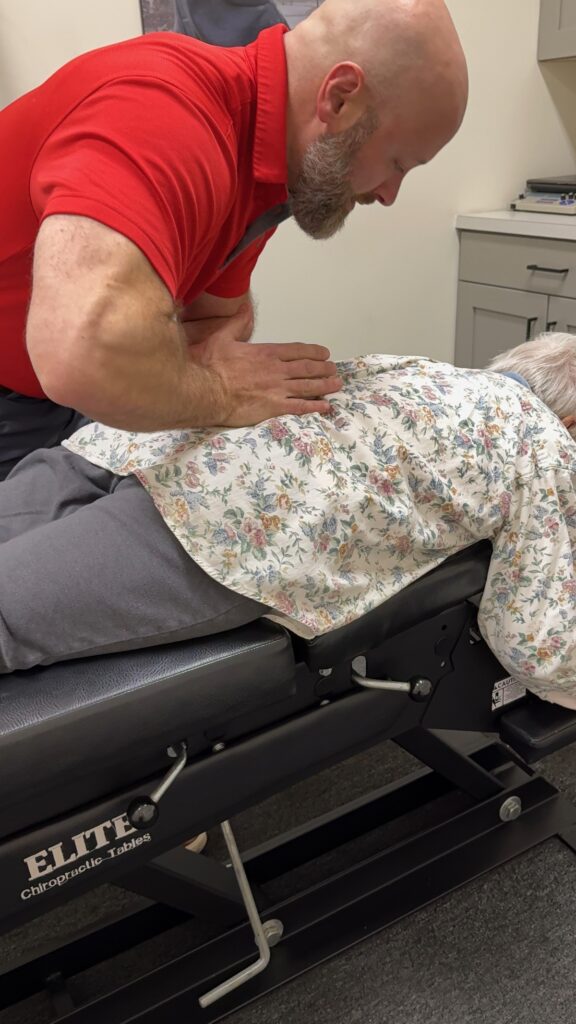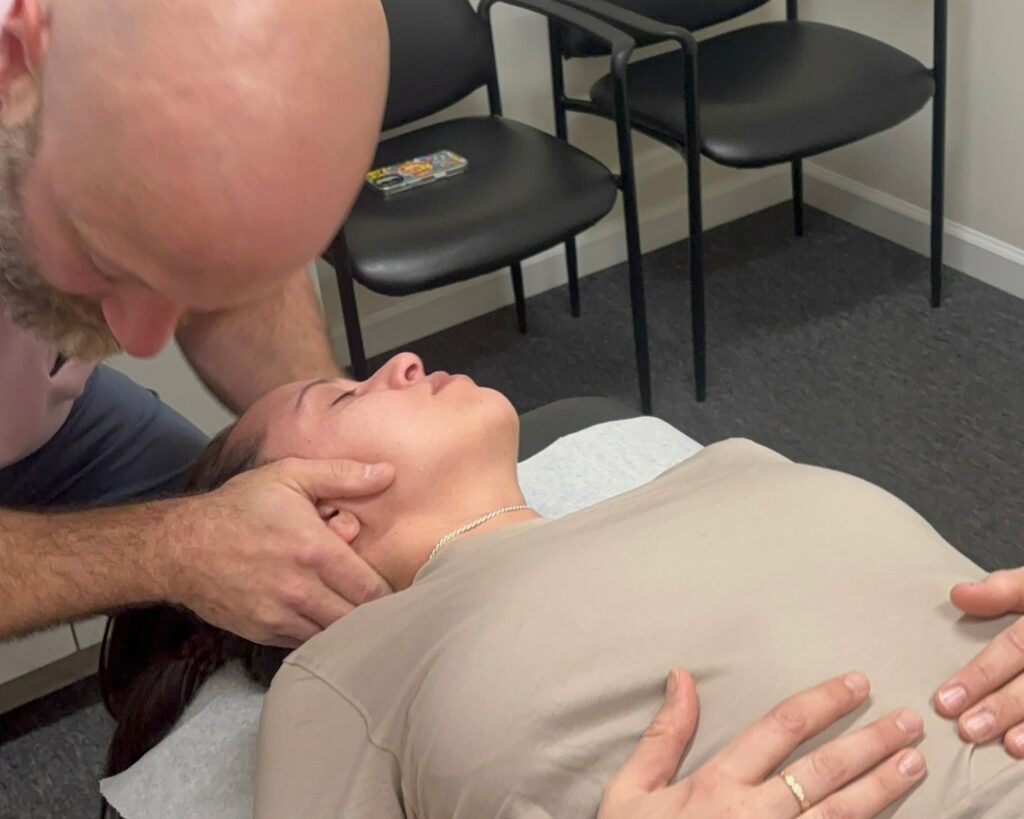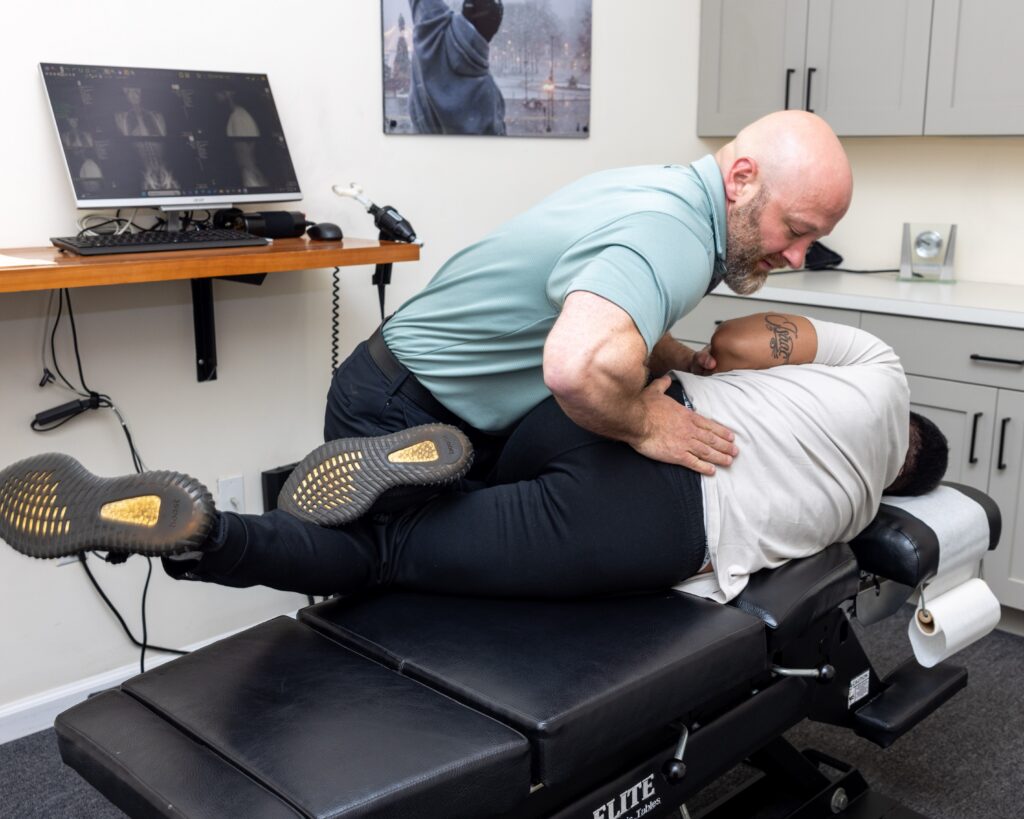

As a local chiropractor, I understand that managing chronic pain can feel daunting. However, I want to assure you that there are natural strategies available that can help you regain control over your life. By incorporating simple lifestyle adjustments, you can significantly enhance your overall well-being.
From dietary changes to mindfulness practices, these holistic approaches can work wonders in alleviating pain and improving your quality of life. If you’re curious about how chiropractic care and natural healing techniques can be integrated into your daily routine, I invite you to explore some effective methods with me. Together, we can work towards transforming your approach to pain management and support your journey to better health.
Embrace a Balanced Diet
As a local chiropractor, I want to share with you the importance of embracing a balanced diet as part of a holistic approach to managing chronic pain naturally. Focusing on whole foods can significantly enhance your body’s ability to heal and reduce inflammation, which is crucial in alleviating discomfort.
Incorporate a variety of fruits and vegetables, whole grains, lean proteins, and healthy fats into your meals. These foods are packed with antioxidants, vitamins, and minerals that not only nourish your body but also support your overall health and well-being.
It’s essential to minimize your intake of processed foods that are high in sugar and unhealthy fats. These can trigger inflammation and exacerbate your pain. Instead, consider cooking with anti-inflammatory ingredients like turmeric, ginger, and garlic, which can be beneficial in your healing journey.
And don’t forget the importance of staying hydrated—drinking enough water is vital for your body to function efficiently.
I encourage you to pay close attention to how specific foods affect your pain levels. Keeping a food diary can be an excellent tool to help you identify potential triggers and customize your diet to better suit your needs.
Incorporate Regular Exercise
As a chiropractor dedicated to promoting natural healing, I want to emphasize the vital role that regular exercise plays in managing chronic pain. While maintaining a balanced diet is important, physical activity is just as crucial for your overall well-being. Engaging in exercise strengthens your muscles, enhances flexibility, and improves endurance, which can all contribute to pain relief.
You don’t need to jump into an intense workout routine right away. Start slowly and pay attention to how your body responds. Activities such as walking, swimming, or yoga can be particularly beneficial, even if they’re low-impact. Aim for at least 30 minutes of moderate exercise on most days of the week.
Remember, you don’t have to do it all at once; breaking your exercise into shorter sessions throughout the day can still yield great benefits.
Incorporating more movement into your daily life can help alleviate stiffness and boost your energy levels, making it easier to manage pain. Additionally, regular exercise stimulates the release of endorphins—your body’s natural pain relievers.
Practice Mindfulness and Meditation
As a local chiropractor, I want to share how practicing mindfulness and meditation can significantly benefit those dealing with chronic pain. These techniques aren’t just about relaxation; they play a vital role in reducing stress, which is often a major contributor to pain.
In our office, we encourage patients to explore various mindfulness methods, such as guided imagery and deep breathing exercises. These practices can help you tap into your body’s natural ability to heal and manage discomfort.
By establishing a regular routine of mindfulness and meditation, you can seamlessly integrate these powerful tools into your daily life, enhancing your overall wellness and supporting your pain management journey.
Benefits of Mindfulness
As a local chiropractor, I want to share with you some effective ways to manage chronic pain through mindfulness and meditation. Many people aren’t aware that these practices can significantly enhance your overall well-being. By incorporating mindfulness into your routine, you can learn to stay present and focused, which helps to reduce the anxiety and stress that often make pain feel worse.
When you practice mindfulness, you’re able to cultivate a sense of calm that can improve your ability to cope with discomfort. Meditation, in particular, allows you to develop a deeper connection with your body, helping you to recognize and accept pain without judgment. This change in perspective can diminish the emotional toll that pain takes on you.
Additionally, embracing regular mindfulness practices can promote relaxation, which may lead to better sleep and an improved overall sense of health.
As your chiropractor, I encourage you to integrate mindfulness techniques into your daily life. This not only builds resilience but also empowers you to navigate the challenges of living with chronic pain more effectively.
Meditation Techniques to Try
As a local chiropractor, I often see patients who are struggling with chronic pain and are looking for ways to manage it naturally. One effective approach I recommend is mindfulness meditation. This technique is simple yet powerful. Find a quiet spot, sit comfortably, and focus on your breath. Pay attention to each inhale and exhale, allowing any distracting thoughts to simply drift away.
Another valuable practice is body scan meditation. I suggest you lie down, close your eyes, and gradually shift your attention through each part of your body, starting from your toes and moving up to your head. Acknowledge any areas of discomfort without judgment, then visualize that pain gently melting away.
You may also benefit from guided meditations, which are widely available through various apps and online platforms. These can help you stay focused and engaged in your practice.
Remember, the key to experiencing the benefits of these techniques is consistency. Even just a few minutes each day can lead to noticeable improvements in your pain levels.
As your chiropractor, I believe incorporating these mindful practices alongside your chiropractic care can enhance your journey toward healing and wellness.
Establishing a Routine
As a local chiropractor, I want to share some valuable insights on managing chronic pain through mindfulness and meditation, which can complement your chiropractic care.
Establishing a regular routine for these practices is vital for your overall well-being. Start by dedicating specific times each day for your mindfulness practice, even if it’s just 10-15 minutes. Consistency is key; it helps your body and mind adapt, making it easier to reach a relaxed state.
Choose a quiet and comfortable space where you won’t be interrupted. During your sessions, focus on your breath, allowing your thoughts to drift away without judgment. If you’re new to this, guided meditations can be a great way to stay engaged and make the process easier.
Remember, there’s no need to overwhelm yourself; starting small is perfectly fine. The important part is to gradually build your practice over time.
By committing to this routine alongside your chiropractic treatment, you may notice improved pain management and an enhanced sense of well-being.
Together, we can work towards a holistic approach to your health that integrates both physical adjustments and mindfulness practices.
Explore Herbal Remedies
As a local chiropractor, I understand that managing chronic pain can often feel daunting. However, I want to share with you the benefits of exploring herbal remedies as a natural approach to pain relief.
For instance, herbs like turmeric and ginger are well-known for their anti-inflammatory properties, which may help alleviate discomfort. Additionally, willow bark has a long history of use as a natural pain reliever.
Another option that’s gaining traction is cannabidiol (CBD) oil, which is derived from hemp. Many people are finding it helpful for pain management without the psychoactive effects associated with other cannabis products. You might consider incorporating these remedies into your daily routine through various forms such as teas, capsules, or topical applications.
Before starting any herbal remedy, it’s crucial to consult with a healthcare professional, especially if you’re currently taking other medications. Each individual’s body can respond differently to these remedies, so I encourage you to keep a journal of your experiences and what works best for you.
By exploring these herbal options, you’re taking an active role in managing your chronic pain in a natural and effective way.
Utilize Heat and Cold Therapy
As a local chiropractor, I want to educate you on the benefits of heat and cold therapy for managing chronic pain. Many people aren’t aware of how effective these methods can be in promoting healing and comfort.
Heat therapy is fantastic for relaxing tight muscles and enhancing blood circulation. When you apply heat, it helps to soothe those achy areas, allowing for greater flexibility and ease of movement.
On the other hand, cold therapy is great for reducing inflammation and numbing sharp pain. This is particularly useful after an injury or during a flare-up of pain, as it can provide quick relief and decrease swelling.
By incorporating both heat and cold therapy into your pain management routine, you can discover a personalized approach to relief that works best for your specific needs.
Benefits of Heat Therapy
As a local chiropractor, I want to share with you the benefits of heat therapy, especially for those dealing with chronic pain.
Applying heat to specific areas can significantly enhance your healing process by increasing blood flow. This increased circulation delivers essential nutrients and oxygen to the affected tissues, helping to alleviate pain and promote recovery.
Heat therapy is also effective in relaxing tight muscles, which can reduce stiffness and discomfort. There are various ways to incorporate heat into your routine—whether it’s using a heating pad, wrapping a warm towel around the area, or enjoying a hot bath.
It’s a simple and effective approach to pain management that many of my patients find beneficial.
Beyond physical relief, heat therapy can also enhance your overall well-being. The comforting warmth can help ease stress and anxiety, contributing to a greater sense of relaxation.
However, it’s important to monitor the temperature to prevent burns and always check in with me or another healthcare professional if you have any questions about using heat therapy for your specific condition.
Together, we can create a holistic approach to your health and healing.
Advantages of Cold Therapy
As a local chiropractor, I want to share with you the benefits of cold therapy, especially when it comes to managing inflammation and pain. Cold therapy serves as an excellent complement to heat therapy in your healing journey.
When you apply cold to an injured area, it works by constricting blood vessels, which helps to reduce swelling and numb any sharp pain you may be experiencing. This technique can be particularly beneficial after an injury or during flare-ups of chronic conditions like arthritis.
For effective results, consider using cold packs or ice wrapped in a cloth, applying it for about 15-20 minutes at a time. Many of my patients find that this simple method significantly alleviates their discomfort.
Additionally, cold therapy can decrease muscle spasms, allowing for greater mobility and ease of movement. Incorporating cold therapy into your pain management routine can enhance the benefits of heat therapy, providing a well-rounded approach to your recovery.
As always, it’s important to listen to your body—avoid prolonged exposure to cold to prevent any risk of frostbite. If you have any questions or need guidance on how to best utilize cold therapy in your treatment plan, feel free to ask during your next visit!
Prioritize Sleep Hygiene
As a local chiropractor, I want to share how prioritizing sleep hygiene can significantly enhance your experience with chronic pain management. Quality sleep is crucial for alleviating pain, and improving your sleep habits can lead to reduced pain sensitivity and increased energy levels throughout your day.
To get started, establish a consistent sleep schedule by going to bed and waking up at the same time every day. This routine helps regulate your body’s internal clock. Transform your bedroom into a peaceful sanctuary—make it dark, quiet, and cool to create an ideal sleeping environment.
It’s also important to limit your exposure to screens at least an hour before bedtime. The blue light emitted by phones, tablets, and TVs can disrupt your natural sleep cycle. Instead, consider engaging in relaxing activities, such as reading a good book or doing gentle stretches to help you unwind.
Be mindful of your evening diet as well. Avoid caffeine and heavy meals close to bedtime, as these can interfere with your ability to fall and stay asleep.
By prioritizing sleep hygiene, not only will you feel more rested, but you’ll also be better equipped to manage your chronic pain. Implementing these strategies can lead to a substantial improvement in how you cope with daily challenges.
Seek Support From Community and Professionals
As a local chiropractor, I understand that managing chronic pain can often feel like a solitary journey. However, reaching out for support from both your community and healthcare professionals, including chiropractors, can significantly enhance your healing process.
Here are some effective ways to find the support you need:
- Join Support Groups: Engaging with groups that focus on pain management can be incredibly beneficial. These communities offer a space where you can connect with others who share similar experiences, providing comfort and helpful insights.
- Consult Healthcare Professionals: Working with a chiropractor, along with other healthcare specialists like doctors and physical therapists, allows you to create a personalized care plan. Chiropractors focus on natural healing through spinal adjustments and holistic approaches that can help alleviate pain and improve overall wellness.
- Engage in Community Activities: I encourage you to participate in local wellness events or workshops that emphasize pain management and natural healing practices. These activities not only provide valuable information but also foster connections with others who are on a similar path.
- Talk to Friends and Family: Don’t hesitate to share your experiences and challenges with those close to you. Educating your loved ones about your pain can help them understand your situation better and offer the support you need.
Conclusion
As your local chiropractor, I want to empower you to take control of your chronic pain management through natural strategies. Incorporating a balanced diet and regular exercise into your daily routine can significantly enhance your overall well-being. It’s also important to explore mindfulness practices, which can help you manage stress and improve your pain perception.
Don’t overlook the benefits of herbal remedies and the application of heat and cold therapy, both of which can provide effective relief for various types of pain. Prioritizing good sleep hygiene is crucial, as restorative sleep plays a key role in your body’s healing process.
Connecting with supportive communities or healthcare professionals, such as chiropractors, can also make a significant difference in your journey. Remember, you are not alone; many individuals are navigating similar challenges. Small, consistent changes in your lifestyle can lead to a healthier and more fulfilling life. I’m here to help guide you on this path to natural healing.