
As a local chiropractor, I often see patients struggling with lower back pain, and I want you to know that you’re not alone in this. Many individuals experience discomfort that can significantly impact their daily lives. The good news is that there are effective, natural strategies you can start using today to find relief.
By making simple adjustments to your posture and incorporating gentle exercises, you can experience significant improvements. But what specific actions can you take to ensure lasting comfort? Let’s delve into some practical tips that I recommend to help you feel better sooner and support your overall well-being. Remember, addressing the root cause of your pain is key, and chiropractic care can play a vital role in your recovery journey.
Maintain Proper Posture
As a local chiropractor, I want to emphasize the importance of maintaining proper posture for your overall health, especially when it comes to preventing and alleviating lower back pain.
It’s crucial that whether you’re sitting, standing, or walking, you keep your spine properly aligned. Ensure that your shoulders are back and your head is level to avoid slouching or leaning forward, which can lead to discomfort.
If you find yourself sitting for long periods, I recommend choosing a chair that offers good lumbar support. This will help support the natural curve in your lower back and reduce strain.
When standing, make sure to distribute your weight evenly across both feet. This helps you use your legs for support rather than putting unnecessary pressure on your back.
And if you’re lifting objects, always remember to bend at the knees and keep the load close to your body to protect your spine.
It can be easy to forget about your posture throughout the day, so I encourage you to check in with yourself regularly. Setting reminders on your phone or placing visual cues in your workspace can help reinforce these good habits.
By being mindful of your posture, not only can you alleviate stress on your back, but you’ll also enhance your overall well-being.
Incorporate Stretching Exercises
As a local chiropractor, I want to emphasize the importance of incorporating stretching exercises into your daily routine to alleviate lower back pain. Many patients may not realize how effective these techniques can be in targeting not only the back but also the surrounding muscles that support it.
By regularly practicing essential stretches, you can maintain flexibility and improve your overall spinal health. I recommend aiming for a consistent routine, both in frequency and duration, to truly maximize the benefits.
Essential Stretching Techniques
As a chiropractor, I often emphasize the importance of stretching as a natural and effective way to alleviate lower back pain. Many people overlook this simple practice, but incorporating essential stretching techniques into your daily routine can significantly improve your flexibility and reduce muscle tension.
Let’s start with the cat-cow stretch, which is excellent for gently mobilizing your spine. Position yourself on your hands and knees, and as you arch your back upward, imagine creating space between each vertebra. Then, as you let your back dip down while lifting your head, feel the gentle stretch along your spine.
Next, consider the child’s pose. This stretch is fantastic for relaxing the back and promoting a sense of calm. Sit back on your heels, stretch your arms forward, and allow your forehead to rest comfortably on the ground. This position encourages a gentle release of tension in the lower back.
Another beneficial stretch is the seated hamstring stretch. To perform this, sit with one leg extended in front of you and reach toward your toes. This stretch not only targets your hamstrings but also engages the muscles that support your lower back, enhancing both comfort and agility throughout your day.
Incorporating these stretches into your routine can play a crucial role in supporting your overall spinal health and well-being.
Frequency and Duration
As a local chiropractor, I want to emphasize the importance of stretching for relieving lower back pain.
It’s essential to consider how often and for how long you engage in these exercises to maximize their benefits. Ideally, you should aim to stretch your lower back at least three to four times a week. Consistency is crucial, so I encourage you to weave these stretches into your daily routine.
Each session should last about 15 to 30 minutes. This time frame allows your muscles to relax and lengthen effectively, promoting better flexibility.
It’s vital to listen to your body; if you experience any pain while stretching, please ease off. Remember, gentle stretching is far more beneficial than overexerting yourself.
By committing to this frequency and duration, you can significantly improve your flexibility, reduce tension, and work towards a healthier, pain-free back.
If you have any questions or need guidance on specific stretches, feel free to ask during your next visit!
Use Heat and Cold Therapy
As your local chiropractor, I want to share how heat and cold therapy can be powerful tools in managing lower back pain. These methods are natural and can complement the chiropractic care you receive.
Let’s start with heat therapy. Applying heat to your lower back can significantly enhance blood flow, which helps to relax tight muscles and alleviate stiffness. You can use a heating pad, a hot water bottle, or even indulge in a warm bath to experience these soothing effects.
Just be mindful to limit your heat application to about 15-20 minutes at a time to avoid any potential skin irritation.
On the flip side, cold therapy is excellent for addressing sharp pain and reducing inflammation. A simple cold pack or even a bag of frozen peas wrapped in a cloth can be very effective.
Applying this to the affected area for 15-20 minutes, particularly after any activities that may aggravate your condition, can provide relief.
I often recommend alternating between heat and cold therapy based on your individual comfort and needs. It’s important to listen to your body—if something doesn’t feel right, feel free to adjust your approach.
These therapies can be a great addition to your overall wellness strategy, helping you manage pain and enhance your healing process. If you have any questions or need further guidance, don’t hesitate to reach out!
Strengthen Core Muscles
As a local chiropractor, I often emphasize the importance of strengthening your core muscles, especially for those struggling with lower back pain. A strong core is essential as it provides support to your spine, enhances stability, and reduces the strain on your back.
Here are three effective exercises that I encourage my patients to incorporate into their routines to build core strength:
- Planks: Begin by holding a plank position for about 20-30 seconds. Ensure your body is straight and engage your abdominal muscles throughout the hold. As your strength improves, gradually increase the duration. This exercise is fantastic for building overall core stability.
- Bird-Dogs: Start on all fours, then extend one arm forward while simultaneously extending the opposite leg back. Hold this position for a few seconds before switching sides. This exercise not only strengthens the core but also enhances balance and stability, which are crucial for maintaining proper posture and preventing injuries.
- Bridges: Lie on your back with your knees bent and feet flat on the floor. Lift your hips towards the ceiling while squeezing your glutes at the top of the movement. Hold this position for a moment before lowering back down. This exercise primarily targets your lower back and glutes, helping to create a balanced and strong core.
Incorporating these exercises into your daily routine can significantly help alleviate lower back pain and improve your overall strength.
Invest in a Supportive Mattress
As a chiropractor, I often emphasize the importance of a supportive mattress in achieving optimal spinal health.
When selecting a mattress, finding the right firmness level is crucial for maintaining proper alignment of your back. Additionally, the material of the mattress can significantly influence your overall comfort and support.
I encourage you to take the time to test various options before making a purchase, ensuring that it meets your specific needs for a restful and restorative sleep.
A good night’s sleep is foundational to your well-being, and the right mattress is an essential part of that equation.
Choose Firmness Level
As a local Chiropractor, I often see patients who struggle with lower back pain, and one of the key factors that can influence your comfort and recovery is the firmness level of your mattress. Choosing the right mattress can significantly affect how well you sleep and how your body feels upon waking. Here’s what I recommend to help you find the right balance:
- Medium firmness: For most individuals, a medium firmness mattress strikes a great balance between comfort and support. It helps maintain proper spinal alignment while providing enough cushioning for your body.
- Personal preference: Your sleeping position plays a crucial role in determining the best mattress firmness for you. If you’re a side sleeper, you might benefit from a slightly softer mattress that can accommodate the curves of your body. Conversely, back and stomach sleepers generally require a firmer mattress to support their spine correctly.
- Test it out: I encourage you to spend time lying on different mattresses, especially in-store settings. Pay attention to how your lower back feels after just a few minutes. This can give you a good indication of whether a mattress will work for you.
Investing in the right mattress firmness is essential for your overall health. A supportive mattress can help you wake up feeling refreshed and free from pain, allowing you to pursue your daily activities with ease.
Don’t underestimate the importance of a good mattress on your journey to better health and wellness!
Consider Material Type
As a local chiropractor, I want to emphasize how important the right mattress material is for your overall spinal health, especially if you experience lower back pain.
Once you’ve determined the firmness level that feels best for you, consider the type of material your mattress is made from, as this can significantly affect your sleep quality and back support.
Memory foam mattresses are a popular choice among my patients because they contour to your body’s shape, distributing weight evenly and alleviating pressure points. This can be particularly beneficial if you’re dealing with discomfort while sleeping.
Alternatively, latex mattresses offer a different experience; they provide a supportive and bouncy feel, which helps maintain proper spinal alignment.
Plus, they tend to be quite durable, making them a worthwhile investment for your health.
Traditional innerspring mattresses can be hit or miss in terms of support. If you opt for one of these, I recommend looking for models with pocketed coils, as they reduce motion transfer and enhance support for your spine.
Ultimately, it’s crucial to consider your comfort preferences and any specific needs that may arise from your back pain.
Investing in the right mattress material is a key step in improving your sleep quality and promoting a healthier spine.
Test Before Purchase
As a local chiropractor, I want to emphasize the importance of selecting the right mattress, especially if you’re dealing with lower back pain.
Just like you wouldn’t buy a car without taking it for a test drive, you shouldn’t purchase a mattress without testing it first. Here are some tips to ensure you choose the best mattress for your needs:
- Spend Quality Time: When you visit a mattress store, take your time—lie down in your preferred sleep position for at least 10-15 minutes. This will help you gauge how your body feels on the mattress and whether it aligns with your spine.
- Assess Support: Pay close attention to your lower back. A good mattress should provide support without causing you to sink too deep. You want to maintain a neutral spine position, which is crucial for preventing and alleviating pain.
- Evaluate Comfort: Comfort is subjective, but it’s essential. If a mattress feels good to you, it’s likely a suitable choice.
Remember, the right mattress can enhance your sleep quality and support your overall health and well-being.
Stay Active and Move Regularly
As a local chiropractor, I want to emphasize the importance of staying active when dealing with lower back pain. It might feel natural to want to rest, but gentle movements are crucial for both relief and recovery. Engaging in low-impact activities like walking, swimming, or cycling can significantly reduce stiffness and enhance circulation, which aids in the healing process. These exercises are excellent for strengthening your back and core muscles without placing excessive strain on your body.
I also recommend incorporating short, frequent breaks into your daily routine. If you find yourself sitting for long periods, make it a habit to stand up and stretch every hour. Simple stretches can alleviate tension and improve your flexibility. It’s important to listen to your body; if something doesn’t feel right, don’t hesitate to modify your movements or slow down.
Additionally, consider adding yoga or Pilates to your exercise regimen. Both of these practices focus on building core strength while promoting flexibility and balance.
Remember, staying active isn’t about pushing through pain; it’s about finding ways to keep moving in a way that doesn’t aggravate your condition. Consistency is essential, and with the right approach, you can feel better and regain your mobility.
If you have any questions about how to safely incorporate movement into your routine, don’t hesitate to reach out!
Consider Professional Help
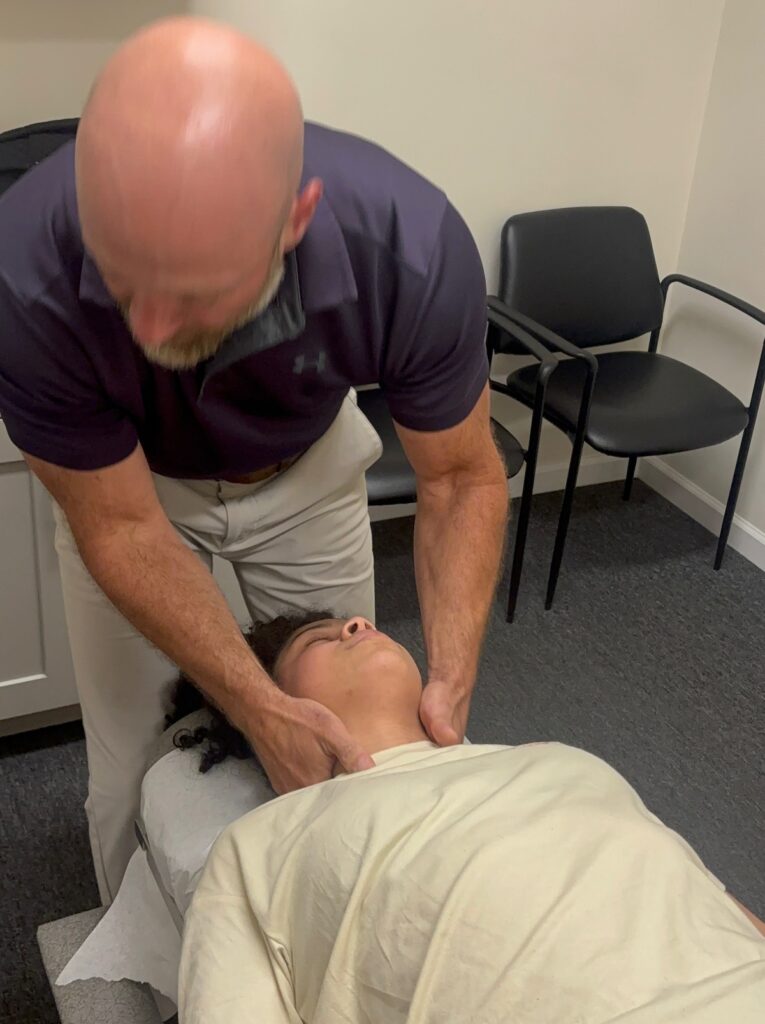
If you’re experiencing persistent lower back pain, it’s essential to know that there are effective, natural solutions available to you. As a local chiropractor, I want to share how chiropractic care can be a transformative part of your journey toward pain relief and improved well-being.
Here are a few ways chiropractic professionals can help:
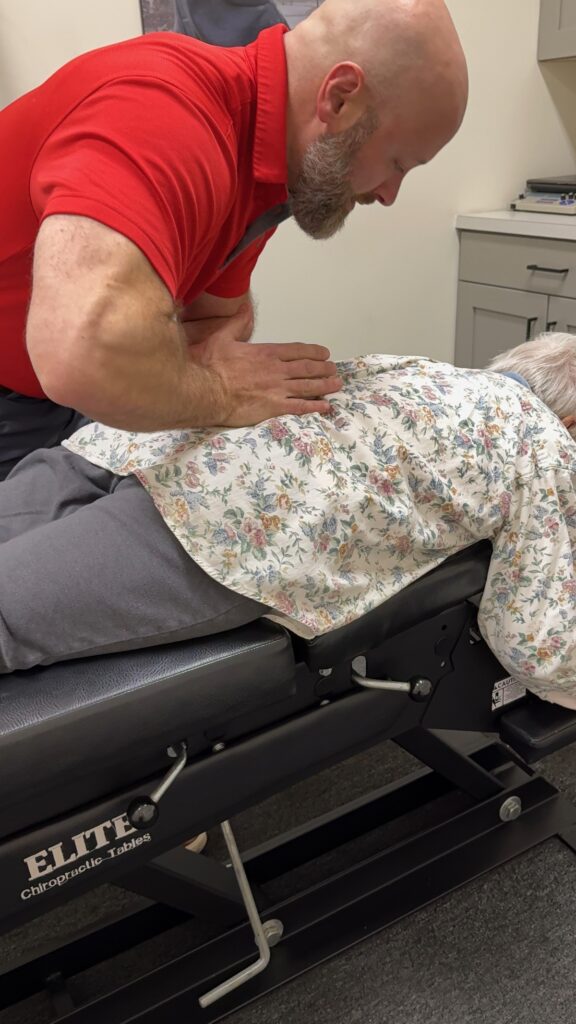
- Spinal Adjustments: Our primary focus is on spinal health. Through gentle adjustments and manipulations, we can help realign your spine, which can relieve pressure on nerves and reduce pain, allowing for better mobility.
- Holistic Approach: Chiropractic care isn’t just about treating the symptoms; it’s about addressing the root cause of your pain. We assess your body as a whole, considering lifestyle factors, posture, and even nutrition, to create a comprehensive plan tailored to your needs.
- Personalized Treatment Plans: Every patient is unique, and your treatment plan will reflect that. We work with you to develop a program that may include stretching, strengthening exercises, and guidance on ergonomics to support your recovery and prevent future issues.
Don’t hesitate to reach out for a consultation. My goal is to provide you with effective, natural strategies to manage your pain and enhance your quality of life.
Conclusion
As a local chiropractor, I want to empower you to manage your lower back pain effectively. It’s essential to prioritize good posture in your daily activities, as this can significantly impact your spine health. Incorporating gentle stretches into your routine can also alleviate tension and improve flexibility. Additionally, utilizing heat or cold therapy can provide immediate relief to sore areas.
Strengthening your core muscles is crucial for supporting your lower back, so consider engaging in low-impact exercises that keep you active without putting too much strain on your body. If your pain persists, I encourage you to seek professional chiropractic care. We can offer personalized guidance tailored to your specific needs and help you understand the benefits of natural healing.
Remember, taking small, proactive steps toward managing your discomfort can lead to remarkable improvements in your overall well-being. Your journey to a healthier back starts today!