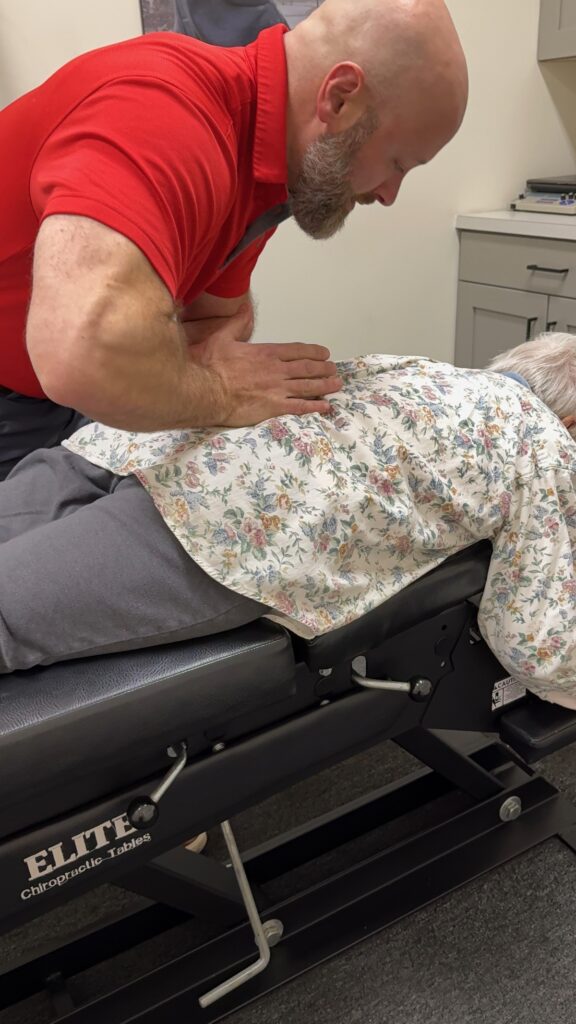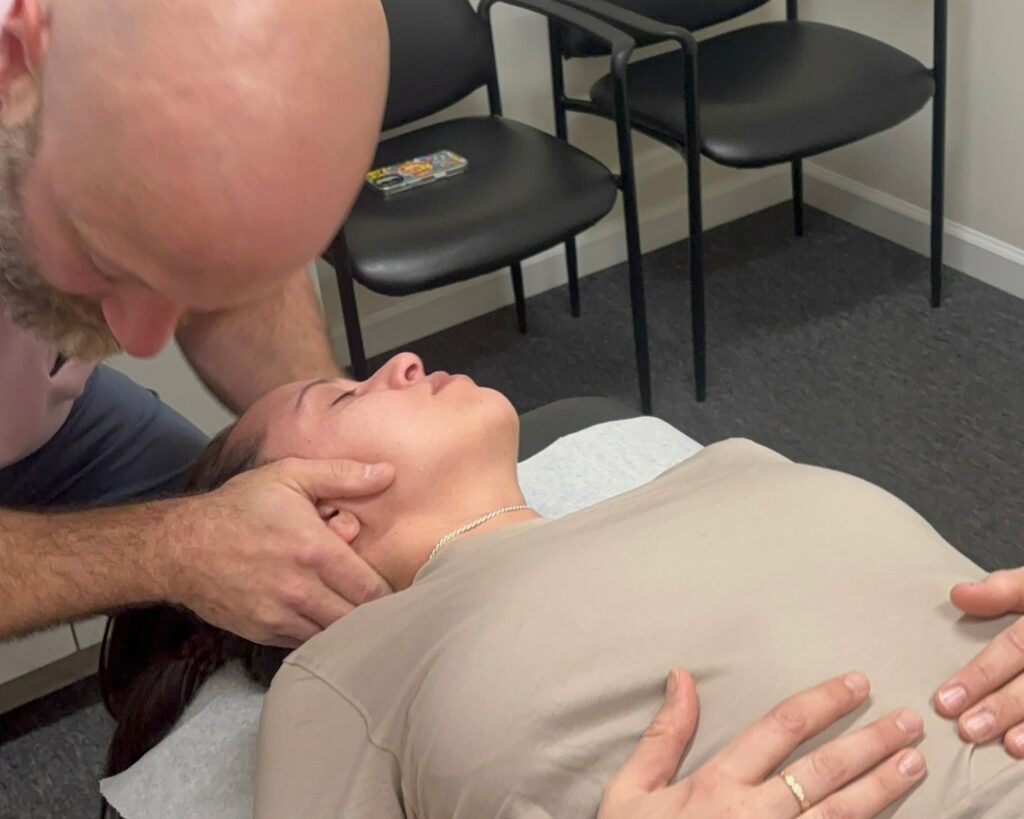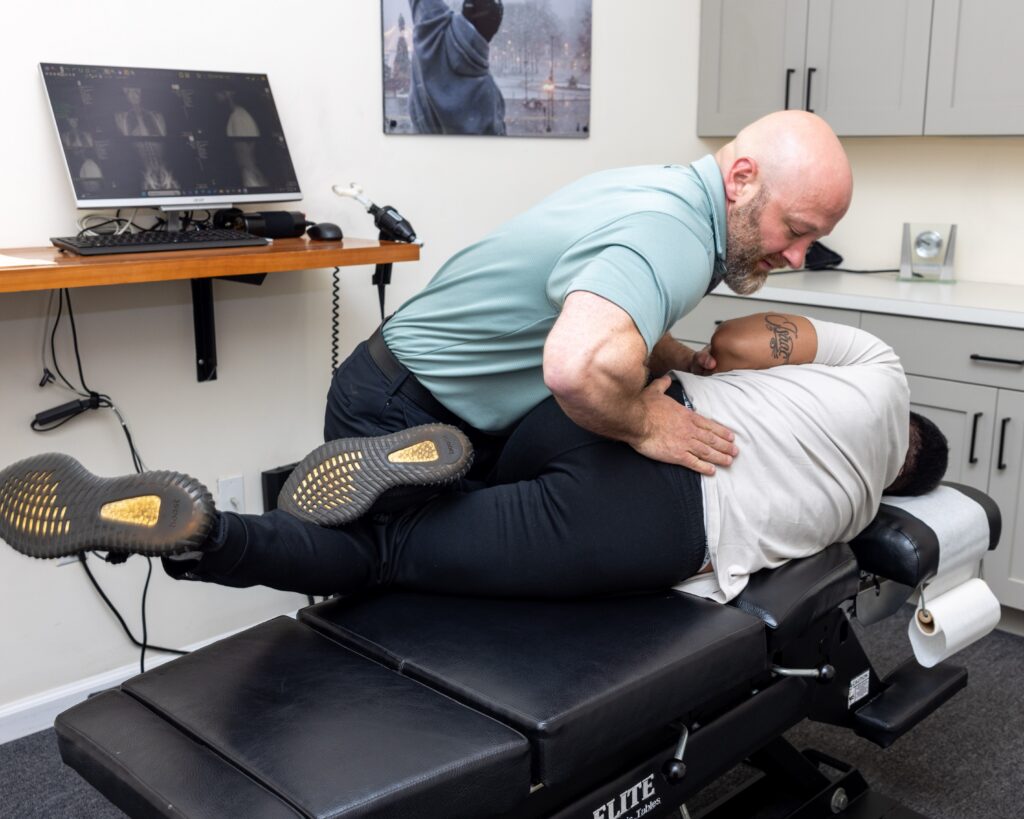

Lower back pain is a prevalent issue that can significantly affect your daily activities and overall well-being. Fortunately, finding relief is possible through a blend of natural techniques that focus on movement, posture, and targeted care. At the heart of effective management is chiropractic care, which not only addresses the symptoms but also helps identify and treat the root causes of your pain.
Understanding how your spine and body work together is crucial. A misalignment in your spine can lead to discomfort and limit your mobility. This is where chiropractic care shines. By focusing on spinal adjustments and alignment, chiropractors can help restore your body’s natural balance and promote healing without the need for medications or invasive procedures.
So, what are some practical strategies you can implement to ease your lower back pain? Here are some tips to consider:
- Stay Active: Gentle exercises like walking, swimming, or stretching can help keep your back muscles strong and flexible. Incorporate activities that promote overall body movement without straining your back.
- Mind Your Posture: Whether sitting at a desk or lifting objects, maintaining a proper posture is vital. Keep your back straight, shoulders back, and avoid slouching. Ergonomic chairs and supportive cushions can also make a difference.
- Regular Chiropractic Visits: Regular check-ups with your chiropractor can help maintain spinal health. They can provide personalized care and adjustments to keep your spine aligned and reduce the risk of future pain.
- Use Heat and Cold Therapy: Applying a warm compress or an ice pack to your lower back can help alleviate pain and inflammation. Heat promotes blood flow, while cold therapy can reduce swelling.
- Practice Relaxation Techniques: Stress can contribute to muscle tension in your back. Techniques like deep breathing, meditation, or yoga can help reduce stress and promote relaxation, which is essential for recovery.
- Listen to Your Body: Pay attention to what movements or activities aggravate your pain. Modify or avoid these activities to prevent further discomfort.
By integrating these strategies into your daily routine, you can take significant steps towards relieving your lower back pain. Remember, chiropractic care is an excellent choice for achieving optimal health and wellness, allowing your body to heal naturally. If you’re struggling with lower back pain, don’t hesitate to reach out to your local chiropractor for guidance and support on your journey to better health.
Key Takeaways
- One of the best ways to relieve lower back pain is by maintaining proper posture while sitting and standing. This simple adjustment can significantly reduce strain on your lower back and help alleviate discomfort. Remember, good posture not only helps your back but also improves your overall health.
- Gentle exercises and stretches are key to boosting your strength and flexibility, which are essential for supporting a healthy spine. Incorporating movement into your daily routine can enhance your body’s natural ability to heal. A few minutes of stretching each day can make a big difference in how you feel.
- Strengthening your core is crucial for reducing pressure on your lower back. Exercises like planks and bridges are fantastic for building stability. A strong core supports your spine and can help prevent future pain.
- Regular visits to a chiropractor can be incredibly beneficial for maintaining spinal alignment and overall wellness. Chiropractic care focuses on natural healing, helping to relieve pain without the need for medications or invasive procedures. Your chiropractor can develop a personalized treatment plan that addresses your specific needs.
- Incorporating stress-management techniques into your routine can also be helpful in reducing muscle tension that contributes to back pain. Practices like yoga and deep breathing not only promote relaxation but also enhance your connection with your body, making it easier to manage discomfort.
By focusing on these holistic approaches, you can take charge of your health and work towards a pain-free life. Remember, chiropractic care is a supportive option that promotes natural healing and wellness.
Understanding the Causes of Lower Back Pain
Understanding the causes of lower back pain is essential for managing and alleviating discomfort effectively. As a local chiropractor, I want you to know that many common issues can lead to lower back pain, such as muscle strain. This often occurs when lifting heavy objects improperly or making sudden movements.
Another cause can be herniated discs, where the cushions between your spinal bones push against nerves, resulting in sharp pain.
Your lifestyle choices also play a significant role in your back health. Prolonged sitting, lack of exercise, and being overweight can all contribute to lower back problems. It’s important to stay active and maintain a healthy weight to support your spine.
Injuries from sports or accidents can lead to chronic pain, and stress can increase muscle tightness and discomfort. Recognizing that sometimes the source of your pain may involve underlying issues like arthritis can help you understand the importance of seeking appropriate care.
Chiropractic care is a natural way to address these issues. By focusing on spinal alignment and overall wellness, we can help you alleviate pain and improve your quality of life without resorting to surgery or medications.
Here are some general tips to take away:
- Stay Active: Incorporate gentle exercises and stretches into your routine to keep your back strong and flexible.
- Proper Lifting Techniques: Always lift heavy objects by bending your knees and keeping your back straight to avoid strain.
- Maintain Good Posture: Whether sitting or standing, good posture can significantly reduce stress on your back.
- Manage Stress: Practice relaxation techniques like deep breathing or yoga to help reduce muscle tension.
- Regular Chiropractic Visits: Routine adjustments can help keep your spine aligned, promoting natural healing and overall wellness.
Importance of Proper Posture
Proper posture is essential for maintaining your overall health and can significantly alleviate lower back pain. As a chiropractor, I want to emphasize the importance of good posture and how it can positively affect your well-being. When you stand, sit, or move with proper alignment, you not only reduce discomfort but also support your spine’s natural structure.
By becoming aware of your posture, you can avoid common mistakes that may be contributing to your pain. Here are some practical tips to help you improve your posture:
- Mind Your Sitting Position: When sitting, ensure your feet are flat on the floor, and your knees are at or below hip level. Use a chair that supports your lower back.
- Stand Tall: Keep your shoulders back and relaxed, with your head aligned over your spine. Imagine a string pulling the top of your head upwards to maintain a straight spine.
- Take Breaks: If you work at a desk, take short breaks every hour to stand, stretch, and move around. This helps reduce muscle tension and promotes circulation.
- Strengthen Your Core: A strong core supports your spine. Incorporate exercises that strengthen your abdomen and back into your routine.
- Consider Chiropractic Care: Regular visits to a chiropractor can help ensure your spine is properly aligned and functioning optimally. Chiropractic adjustments can relieve pain and improve your posture over time.
Embracing these simple adjustments can lead to a healthier lifestyle and a significant reduction in pain. Remember, chiropractic care is a natural and effective way to achieve optimal health and well-being. Let’s work together to enhance your posture and improve your quality of life!
Benefits of Good Posture
Maintaining good posture consistently can provide a wealth of benefits for your lower back and overall health. As a local chiropractor, I want to emphasize how important it’s to sit and stand correctly—not just for comfort, but for your long-term wellness.
Here are some key benefits of good posture and how chiropractic care can help you achieve it:
- Reduced Pain: Proper alignment of your spine minimizes strain on your back, helping to alleviate discomfort. Regular chiropractic adjustments can help maintain this alignment, reducing the risk of pain and injury.
- Enhanced Mobility: Good posture promotes better flexibility and range of motion, making it easier for you to move through your daily activities. Chiropractic care can assist in improving your mobility by ensuring your spine is in optimal alignment.
- Increased Energy: When your body is aligned and functioning correctly, oxygen flow and circulation improve, leading to increased energy levels throughout the day. Regular visits to your chiropractor can help maintain this vital flow, keeping you feeling revitalized.
- Boosted Confidence: Standing tall not only helps your physical health but also enhances your self-esteem and presence in social situations. Chiropractic care can support your posture, allowing you to carry yourself with confidence.
Tips for Maintaining Good Posture:
- Be Mindful: Regularly check in with your posture throughout the day. Are your shoulders back? Is your back straight?
- Ergonomic Setup: If you work at a desk, ensure your chair and computer are set up for optimal posture.
- Strengthen Core Muscles: Engage in exercises that strengthen your core, as a strong core supports proper spine alignment.
- Regular Chiropractic Visits: Incorporate chiropractic care into your routine to maintain your spinal health and overall wellness.
By focusing on good posture and seeking chiropractic care, you can enjoy a more comfortable, energetic, and confident life.
Common Posture Mistakes
While many people strive for good posture, it’s easy to fall into common mistakes that can hinder your efforts. Slouching at your desk, leaning forward while using your phone, or shifting your weight to one leg can all lead to poor alignment and back pain.
You may not realize it, but the way you sit, stand, or walk plays a crucial role in your spinal health.
To promote better posture and support your well-being, keep these simple tips in mind:
- Shoulders Back: Always aim to keep your shoulders pulled back and relaxed. This helps align your spine and reduces strain on your back muscles.
- Engage Your Core: A strong core supports your spine. Try to engage your abdominal muscles when sitting or standing to help maintain your posture.
- Even Weight Distribution: When standing, be mindful of distributing your weight evenly on both legs. This can prevent unnecessary pressure on one side of your body.
- Feet Flat on the Floor: If you’re sitting, ensure your feet are flat on the floor and your back is supported. This position helps maintain the natural curve of your spine.
- Customize Your Workspace: Adjust your desk and chair to keep your screen at eye level and your arms at a comfortable angle. This will encourage good posture throughout your workday.
- Take Breaks: Regularly step away from your desk to stretch and move around. This will help relieve tension in your back and improve circulation.
Remember, correcting these common posture mistakes not only helps alleviate lower back pain but also enhances your overall health. If you’re struggling with maintaining proper alignment, consider visiting a chiropractor.
Chiropractic care focuses on natural healing and can be an effective way to address posture-related issues and promote a healthier lifestyle. Your spine will thank you!
Stretching Exercises for Relief
To alleviate lower back pain, integrating stretching exercises into your daily routine can significantly enhance your wellness.
These stretches not only improve flexibility but also help relieve tension in the muscles surrounding your spine, promoting better spinal health.
Here are four effective stretches that can complement your chiropractic care:
- Knee-to-Chest Stretch: While lying on your back, gently pull one knee towards your chest. Hold this position for 15-30 seconds before switching to the other leg. This stretch helps open up the lower back and can alleviate tightness.
- Child’s Pose: Begin by kneeling on the floor and sitting back on your heels. Extend your arms forward and lower your torso down towards the ground. Hold this stretch for 30 seconds. This pose helps elongate the spine and relax the back muscles.
- Cat-Cow Stretch: Position yourself on all fours. Alternate between arching your back upwards (like a cat) and dropping your belly down towards the floor (like a cow). Repeat this motion for 10-15 reps. This dynamic stretch promotes spinal flexibility and coordination.
- Seated Forward Bend: Sit with your legs extended in front of you. Reach forward towards your toes and hold for 15-30 seconds. This stretch targets the lower back, encouraging relaxation and improved flexibility.
Incorporating these stretches into your routine can help relieve tension, enhance your overall mobility, and support the benefits you receive from chiropractic care.
Remember, regular stretching can be a powerful tool for maintaining a healthy back and preventing future discomfort.
Always listen to your body, and if you experience persistent pain, consult your chiropractor for personalized advice tailored to your individual needs.
Strengthening Your Core Muscles
Strengthening your core muscles is essential for alleviating lower back pain and enhancing overall stability, which are crucial components of a healthy spine.
As a chiropractor, I emphasize the importance of engaging in effective core exercises to boost your strength and support your spine naturally.
By maintaining core stability, you not only reduce discomfort but also help to prevent future injuries.
Incorporating core-strengthening exercises into your routine can be simple and rewarding.
Here are some tips to get you started:
- Start with Basics: Begin with exercises like planks and bridges. These are excellent for building a strong foundation without putting too much strain on your back.
- Focus on Form: Proper technique is key to maximizing the benefits of core exercises. Ensure you’re maintaining good posture to protect your spine.
- Consistency is Key: Aim to incorporate core exercises into your routine a few times a week. Consistency will help you see improvements over time.
- Listen to Your Body: If you experience pain while exercising, stop and consult with a chiropractor. They can guide you on safe practices tailored to your needs.
- Consider Chiropractic Care: Regular adjustments can support your efforts in strengthening your core by ensuring your spine is aligned and functioning optimally.
Remember, strengthening your core isn’t just about aesthetics; it’s about building a strong foundation for your overall health.
Importance of Core Strength
Core strength is essential for maintaining a healthy back, as it provides vital support for your spine and helps prevent injuries. By focusing on strengthening your core, you’re not only improving your appearance but also enhancing your overall function and well-being. As a local chiropractor, I want to share the key benefits of core strength and how it relates to natural healing and optimal health:
- Improved Posture: A strong core plays a crucial role in aligning your spine, which can significantly reduce strain on your back. Good posture is essential for overall health and can help you feel more energized throughout the day.
- Enhanced Stability: Your core muscles act as stabilizers during movement. When these muscles are strong, you’re less likely to experience injuries, whether it’s during exercise or everyday activities. This stability is vital for maintaining an active lifestyle.
- Reduced Back Pain: Strengthening your core can alleviate pressure on the lower back, helping to minimize discomfort. Many patients have found that by focusing on their core strength, they can experience significant relief from back pain without the need for medications or invasive procedures.
- Better Balance: A strong core significantly improves your balance. This is particularly important as we age, making daily activities safer and easier, and reducing the risk of falls.
Tips for Strengthening Your Core Naturally:
- Incorporate exercises such as planks, bridges, and abdominal crunches into your routine. Start slowly and gradually increase intensity as your strength improves.
- Consider integrating activities like yoga or Pilates, which focus on core strength and stability while promoting relaxation and mindfulness.
- Maintain a balanced diet rich in nutrients to support muscle health and recovery.
- Stay hydrated, as proper hydration is essential for optimal muscle function.
Remember, chiropractic care is a fantastic way to support your core strength and overall health. Regular adjustments can enhance your spinal alignment, allowing your body to function at its best.
Effective Core Exercises
As a local chiropractor, I want to emphasize the crucial role of core strength in achieving optimal health and wellness. Incorporating effective core exercises into your daily routine can significantly enhance your stability, support your spine, and alleviate back pain naturally.
Begin with planks, a fantastic exercise that engages multiple muscles in your core. Start by holding a plank for 30 seconds, and as you get stronger, gradually increase the duration. This simple exercise can provide a solid foundation for your core strength.
Next, include bridges in your routine. This exercise targets your glutes and lower back, which are essential for maintaining a healthy spine. To perform a bridge, lie on your back with your knees bent. Gently lift your hips off the ground and hold for a few seconds before lowering back down. This movement not only strengthens your muscles but also promotes better posture, which is vital for spinal health.
Leg raises are another excellent way to strengthen your lower abdominals. Lie flat on your back, keeping your lower back pressed against the floor, and lift your legs straight up toward the ceiling. This exercise helps to engage your core while protecting your spine.
Lastly, consider adding bird-dogs to your routine. Start on your hands and knees, then extend one arm forward while reaching out with the opposite leg. Hold this position for a few seconds before switching sides. Bird-dogs not only build core strength but also improve balance and coordination.
Maintaining Core Stability
While regular exercise is vital for overall health, maintaining core stability is especially important for preventing back pain and enhancing your daily life. A strong core supports your spine, reduces strain, and improves posture, which is crucial for your well-being. As a chiropractor, I want to share some effective techniques to help you maintain core stability and promote natural healing without the need for surgeries or medications.
- Practice Planks: Holding a plank position is a fantastic way to engage your entire core. Start with shorter holds and gradually increase the duration as your strength improves.
- Incorporate Bridges: This exercise not only strengthens your glutes but also supports your lower back. Simply lie on your back with your knees bent and lift your hips towards the ceiling, creating a straight line from your shoulders to your knees.
- Use Stability Balls: Performing exercises on a stability ball can challenge your balance and core control. Try sitting on the ball while doing light activities or engaging in a few gentle core exercises.
- Focus on Breathing: Remember that deep, controlled breaths during these exercises can enhance muscle engagement, helping you get the most out of your workouts.
Incorporating these techniques into your routine can lead to better spinal health and overall wellness. If you’re experiencing any discomfort or pain, I encourage you to seek chiropractic care. It’s a natural and effective way to address spinal issues, enhance core stability, and promote a healthier, pain-free lifestyle.
Your body deserves the best care!
Heat and Cold Therapy
Heat and cold therapy can be excellent methods for alleviating lower back pain, and they can complement your chiropractic care beautifully. Let’s explore how these techniques can enhance your overall wellness.
Using heat is a fantastic way to relax tight muscles and boost blood circulation, which is essential for healing. A warm towel, heating pad, or hot water bottle can be soothing. Just remember to apply heat for about 15-20 minutes at a time, ensuring it’s warm but not too hot to avoid burns. This gentle warmth can help prepare your muscles for adjustments during your chiropractic visit.
On the flip side, cold therapy is effective in reducing inflammation and numbing sharp pain. Ice packs or a bag of frozen peas wrapped in a cloth can offer quick relief. Apply cold compresses for 10-15 minutes, taking breaks in between to avoid skin damage. Cold therapy can help manage symptoms before you see your chiropractor, allowing for a more effective treatment session.
Many people find that alternating between heat and cold therapy works best for them. Listening to your body is key; it knows what feels good. By incorporating these simple techniques alongside your chiropractic care, you can significantly enhance your comfort and promote natural healing.
The Role of Physical Therapy
Physical therapy is an essential part of managing lower back pain, especially when paired with chiropractic care. As a chiropractor, I believe that combining these approaches helps you regain strength, flexibility, and overall function more effectively.
Here are some key benefits of physical therapy that align perfectly with chiropractic care:
- Personalized Treatment Plans: Your physical therapist will create a customized program that directly addresses the root causes of your pain. This tailored approach ensures that your specific needs are met.
- Strengthening Exercises: You’ll learn targeted exercises designed to build core strength. A strong core is vital for supporting your lower back and can significantly reduce discomfort.
- Posture Correction: Your therapist will evaluate your posture and offer practical advice on how to maintain proper alignment. Good posture is crucial for minimizing strain on your back and can be easily integrated into your daily routine.
- Education and Self-Management: You’ll gain valuable insights about your condition. This knowledge empowers you to make informed decisions about your health and helps prevent future injuries.
Incorporating physical therapy into your pain management strategy, alongside chiropractic care, can lead to lasting relief and an improved quality of life. Remember, a healthy spine is key to overall wellness.
Here are some general tips to keep in mind:
- Stay Active: Regular movement is essential for spinal health. Even simple activities like walking can be beneficial.
- Practice Good Posture: Be mindful of your posture throughout the day. This can help alleviate unnecessary pressure on your back.
- Listen to Your Body: If you feel discomfort, don’t push through it. Pay attention to what your body is telling you and seek help if needed.
- Hydrate: Drinking plenty of water can help keep your discs hydrated and healthy.
Don’t hesitate to reach out for professional help. Together, we can work towards a natural, pain-free lifestyle!
Exploring Alternative Therapies
When it comes to managing lower back pain, many individuals are discovering the incredible benefits of chiropractic care as a natural and effective solution. Chiropractic adjustments focus on spinal alignment, which can significantly alleviate discomfort and enhance mobility. By realigning the spine, we not only address the source of your pain but also promote overall wellness.
In addition to chiropractic care, there are several complementary practices that can help support your journey to better health. For instance, acupuncture may provide relief by targeting specific pressure points, while massage therapy is excellent for relaxing tight muscles and improving circulation.
Incorporating gentle exercises like yoga and tai chi can also be beneficial. These practices enhance flexibility and strengthen your core, which plays a crucial role in supporting your back. Remember, a strong core can help prevent future pain and injuries.
You might also consider natural remedies such as herbal supplements like turmeric or willow bark, which some people find helpful for easing discomfort. However, it’s always a good idea to discuss any new treatments with your chiropractor to ensure they fit well with your care plan.
As you explore these options, keep in mind a few general tips for managing your lower back pain: maintain good posture, stay active with low-impact exercises, and listen to your body. By focusing on chiropractic care and these supportive practices, you can create a well-rounded approach to achieving optimal health and wellness. Always remember, your chiropractor is here to help guide you on this journey to a pain-free life!
Lifestyle Changes for Long-Term Relief
Making lifestyle changes can greatly enhance your long-term relief from lower back pain, and chiropractic care plays a pivotal role in this journey to wellness. By adopting healthier habits alongside regular chiropractic adjustments, you can support your spine, improve your quality of life, and promote natural healing. Here are four key changes to consider:
1. Stay Active: Regular exercise is essential for spinal health. Focus on activities that strengthen your core and improve flexibility, such as walking, swimming, or gentle yoga.
These exercises can complement chiropractic treatments by improving muscle support around your spine.
2. Maintain Good Posture: Practicing proper posture is crucial in reducing strain on your back. Whether sitting at a desk, standing in line, or lifting objects, being mindful of your posture can alleviate unnecessary pressure.
A chiropractor can provide guidance on proper alignment and ergonomic practices to incorporate into your daily routine.
3. Watch Your Weight: Maintaining a healthy weight is vital for spine health. Excess weight can put additional stress on your lower back, leading to pain and discomfort.
A balanced diet, combined with regular chiropractic care, can help you manage your weight effectively while promoting overall well-being.
4. Manage Stress: Chronic stress can contribute to muscle tension and pain. Incorporating relaxation techniques such as yoga, meditation, or deep breathing exercises can help alleviate tension.
Additionally, regular chiropractic adjustments can enhance your body’s ability to cope with stress by improving overall function and balance.
Conclusion
Incorporating these techniques can significantly alleviate your lower back pain and improve your overall well-being. Understanding the root causes of your discomfort is key, and as a chiropractor, I can help guide you through this process. Maintaining proper posture is essential—consider how you sit, stand, and move throughout your day. Simple adjustments can make a big difference!
Engaging in targeted exercises is another effective way to strengthen your back and support your spine. I recommend gentle stretches and movements that promote flexibility and stability. Using heat or cold therapy can provide immediate relief; a warm compress can soothe tense muscles, while an ice pack can reduce swelling.
Don’t underestimate the benefits of chiropractic care. Regular adjustments can align your spine and improve your body’s natural ability to heal itself. Physical therapy and alternative therapies can complement your chiropractic treatment, enhancing your recovery and promoting a holistic approach to wellness.
Making lifestyle changes, like incorporating more movement into your day and prioritizing a balanced diet, will support long-term relief from pain. Remember, taking charge of your health is empowering. With chiropractic care and these practical tips, you can work towards a pain-free life and optimal wellness.