
Back pain can be a frustrating and debilitating issue, but as a chiropractor, I want to share some effective techniques that can help you find the relief you deserve. By focusing on proper posture, incorporating specific exercises, and making lifestyle changes, you can significantly reduce discomfort and improve your overall well-being. Understanding the underlying causes of your pain is essential, and gentle stretching can be a valuable part of your daily routine.
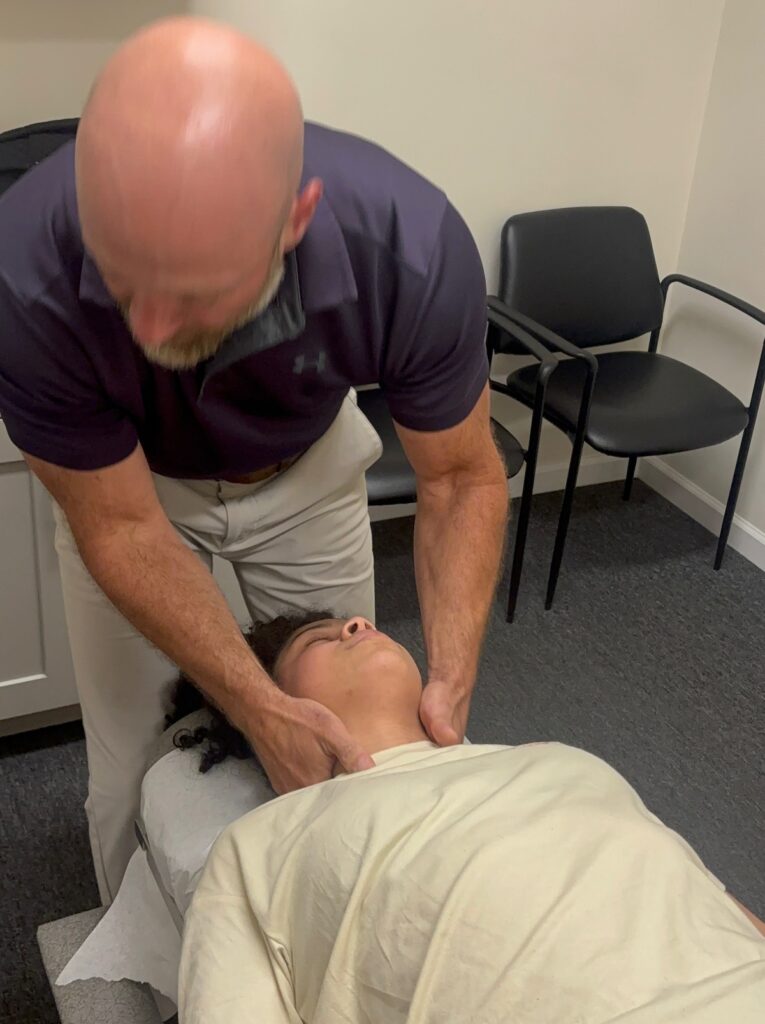
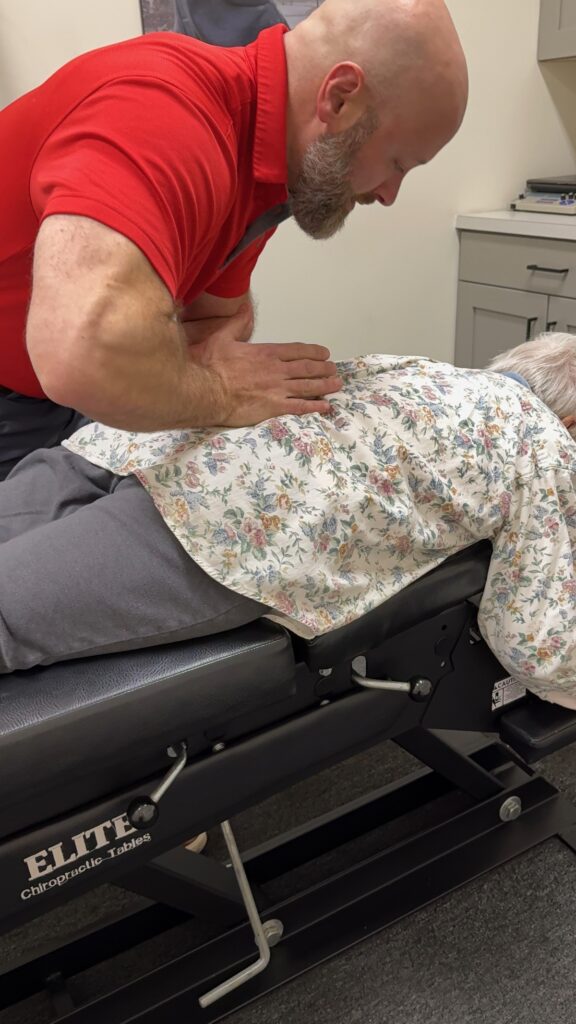
Chiropractic care is one of the best natural approaches to alleviating back pain. Through gentle adjustments, we can help align your spine and improve your body’s function. This not only helps relieve pain but also promotes a healthier lifestyle.
Let’s explore some key methods that can transform your approach to back pain management:
- Maintain Good Posture: Always be mindful of your posture when sitting, standing, or lifting. Keep your shoulders back and your spine straight to reduce strain on your back.
- Incorporate Specific Exercises: Simple exercises focused on strengthening your core can help support your spine. Consider incorporating activities like planks or gentle yoga into your routine to enhance flexibility and strength.
- Practice Gentle Stretching: Regularly stretching your back and surrounding muscles can help alleviate tension. Focus on stretches that promote spinal flexibility and relieve tightness.
- Stay Active: Regular physical activity is crucial for maintaining a healthy spine. Aim for low-impact activities, such as walking or swimming, which can be easier on your back while still promoting overall health.
- Consider Chiropractic Adjustments: Regular visits to your chiropractor can help maintain your spinal health, relieve pain, and prevent future issues. Chiropractic care is a natural and effective way to promote healing and wellness.
Remember, you don’t have to live with back pain. By implementing these strategies and considering chiropractic care, you can take active steps toward managing your pain and enhancing your quality of life. If you’re curious about how chiropractic care can specifically help you, don’t hesitate to reach out!
Key Takeaways
As a local chiropractor dedicated to your health and wellness, I want to share some essential techniques to help alleviate back pain naturally. Here are some simple yet effective strategies that can enhance your spinal health and overall well-being:
- Posture Matters: Maintaining proper posture while sitting, especially when using devices, is crucial. Be mindful of how you position your back; sitting up straight can significantly reduce spinal strain and back pain. Remember, a strong spine supports a healthy body!
- Stretch it Out: Regular stretching routines can work wonders for your back. Consider incorporating stretches like Cat-Cow and Child’s Pose into your daily routine. These gentle movements not only improve flexibility but also help relieve tension built up in the back.
- Strengthen Your Core: Engaging in core stability exercises, such as planks and bridges, can provide essential support for your back. A strong core promotes better posture and reduces the risk of pain. Plus, they’re easy to incorporate into your day!
- Chiropractic Care: If you’re experiencing persistent or worsening pain, I encourage you to seek chiropractic care. A chiropractor can help with spinal alignment and develop a personalized treatment plan tailored to your needs. Chiropractic adjustments can alleviate pain and enhance your overall health without relying on medications or invasive procedures.
- Stress Relief: Managing stress is key to reducing muscle tension in your back. Techniques like yoga and meditation can help calm your mind and promote relaxation, aiding in your recovery process. Taking time for yourself can greatly improve how your body feels.
By focusing on these natural and effective techniques, you can take significant strides toward alleviating back pain and achieving optimal health. Remember, chiropractic care is here to support you on your journey to wellness!
Understanding the Causes of Back Pain
When it comes to back pain, it’s crucial to understand the underlying causes so you can find effective relief. Many factors can contribute to discomfort in your back, and recognizing them is the first step toward healing.
One common issue is poor posture. Slouching at your desk or hunching over your phone can put significant strain on your spine. To combat this, make a conscious effort to sit up straight and take regular breaks to stretch.
Another factor is overexertion during physical activities. Lifting heavy objects without using proper technique can lead to pain. Always remember to lift with your legs, not your back, and ask for help when needed.
Lifestyle choices also play a role in back health. Being overweight or leading a sedentary lifestyle can add extra stress to your back. Incorporating regular physical activity, even simple walks or stretches, can greatly benefit your spine and overall health.
Additionally, conditions such as herniated discs or arthritis can worsen back pain. Stress can also contribute to discomfort, so finding ways to manage stress through relaxation techniques or light exercise can be beneficial.
It’s important to pay attention to when and how your pain occurs. This awareness can help you and your chiropractor identify the root cause and develop a tailored plan to address it. Chiropractic care focuses on aligning your spine and promoting natural healing, making it one of the best choices for pain relief and overall wellness.
Effective Stretching Techniques
When it comes to alleviating back pain, incorporating effective stretching techniques can significantly enhance your wellness journey. As a chiropractor, I often recommend gentle hamstring stretches, the Cat-Cow pose, and Child’s pose as fantastic options to help you find relief while improving your flexibility. These simple stretches can play a crucial role in maintaining a healthy spine and overall well-being.
Gentle hamstring stretches can help relieve tension in your lower back, which is often connected to tight hamstrings. The Cat-Cow pose not only stretches your spine but also encourages proper alignment, enhancing your body’s natural ability to heal. Meanwhile, Child’s pose is a restorative stretch that promotes relaxation and can help alleviate stress on your back.
Remember, these stretches should be done mindfully and within your comfort zone. Listening to your body is key! Incorporating these techniques into your daily routine can complement the benefits of regular chiropractic care, which is designed to support your spine’s health and function.
In addition to these stretches, consider maintaining a healthy posture throughout your day, taking breaks to move around if you sit for long periods, and staying hydrated. These habits can further enhance your overall spinal health and contribute to a pain-free lifestyle.
Ultimately, chiropractic care is an excellent choice for achieving optimal health and natural pain relief. By working together, we can develop a personalized plan that includes effective stretching techniques and other chiropractic strategies to help you feel your best.
Gentle Hamstring Stretches
Tight hamstrings can often contribute to discomfort in your lower back, but incorporating gentle stretches into your daily routine can lead to significant relief.
By regularly stretching your hamstrings, you can’t only improve your flexibility but also reduce the strain on your lower back, which is essential for overall spinal health. Here are some effective gentle hamstring stretches that you can easily incorporate into your day:
- Seated Forward Bend: Sit comfortably on the floor with your legs extended straight in front of you. Reach forward toward your toes, ensuring that you keep your back straight. This stretch not only targets your hamstrings but also promotes good posture.
- Standing Hamstring Stretch: Stand up tall and place one foot on a low surface, like a sturdy chair or bench. With your knee straight, gently lean forward. This stretch helps to ease tension in your hamstrings while also engaging your core, supporting your spine.
- Supine Hamstring Stretch: Lie flat on your back and lift one leg towards the ceiling. Hold it with both hands behind your thigh while keeping the other leg flat on the ground. This position allows you to stretch your hamstrings effectively while supporting your lower back.
Incorporating these stretches into your daily routine can be a great way to alleviate back pain naturally.
Remember, chiropractic care is an excellent option for achieving optimal health and wellness. Your chiropractor can guide you in developing a personalized plan that includes stretches, adjustments, and other techniques to support your spinal health.
Cat-Cow Pose Benefits
In addition to hamstring stretches, incorporating the Cat-Cow pose into your daily routine can provide remarkable benefits for back pain relief and overall spinal health. As a chiropractor, I often emphasize the importance of maintaining a flexible and well-aligned spine, and this dynamic stretch is a great way to achieve that. By moving your back through arching and rounding motions, you promote flexibility in the spine and enhance your posture, which is crucial for long-term wellness.
The Cat-Cow pose not only helps to increase blood flow to the spinal area, relieving tension and discomfort, but it also encourages body awareness, allowing you to better understand your posture and alignment. Here’s a simple comparison of the Cat-Cow pose benefits:
| Benefit | Description | Effect on Back Pain |
|---|---|---|
| Spinal Flexibility | Improves range of motion | Reduces stiffness |
| Improved Posture | Aligns spine, enhances body awareness | Minimizes strain |
| Stress Relief | Calms the mind and body | Eases muscle tension |
Child’s Pose Relief
Finding relief from back pain can often be achieved through simple, natural methods, and one of the best practices to incorporate into your routine is Child’s Pose. This gentle yoga pose isn’t only effective for elongating your spine but also plays a significant role in releasing tension from your back.
As a chiropractor, I can attest that integrating such movements can complement your chiropractic care and promote optimal health. Here’s how to perform Child’s Pose for maximum benefit:
- Kneel on the floor: Begin by sitting back on your heels. Stretch your arms forward while allowing your forehead to comfortably rest on the mat. This position helps to create space in your spine and relax your muscles.
- Breathe deeply: As you settle into the pose, take deep, slow breaths. Focus on inhaling and exhaling gently. This not only enhances relaxation but also allows your body to release tension more effectively, aiding in your recovery journey.
- Hold the position: Aim to stay in Child’s Pose for at least 30 seconds, or longer if it feels comfortable. The longer you hold this position, the more you’ll be able to experience its benefits, promoting flexibility and reducing discomfort in your back.
Incorporating Child’s Pose into your daily routine can significantly alleviate discomfort and enhance your overall flexibility. Remember, regular practice is key!
And while Child’s Pose is a wonderful addition to your wellness routine, it’s important to pair it with regular chiropractic care for the best results. Chiropractic adjustments can address the underlying issues causing your back pain, ensuring that your body functions optimally. Together, these practices can help you achieve a healthier, pain-free life.
Strengthening Exercises for a Healthy Back
To maintain a healthy back, it’s essential to engage in strengthening exercises that boost core stability. These exercises not only help support your spine but also play a significant role in preventing pain and enhancing your overall posture. Additionally, incorporating flexibility and mobility workouts can further contribute to your back health, making it easier to perform daily activities without discomfort.
As a chiropractor, I recommend focusing on exercises that promote natural healing and well-being. Simple activities like planks, bridges, and gentle stretches can make a big difference. These movements strengthen your core muscles, which are crucial for supporting your spine and maintaining proper alignment.
Here are a few tips to keep in mind:
- Start Slow: If you’re new to strengthening exercises, begin with low-impact activities and gradually increase intensity. This approach helps prevent injury while you build strength.
- Listen to Your Body: Pay attention to any discomfort. If you experience pain while exercising, stop and consult your chiropractor for guidance on modifications.
- Stay Consistent: Regularly incorporating these exercises into your routine will yield the best results for your back health. Aim for at least a few days a week.
- Combine with Chiropractic Care: Regular visits to your chiropractor can enhance the benefits of your strengthening exercises. Chiropractic adjustments can help ensure that your spine is aligned correctly, allowing your body to function optimally.
Core Stability Workouts
As a local chiropractor, I want to emphasize the vital role that core stability plays in maintaining a healthy spine and overall well-being.
A strong core is essential not just for physical fitness, but also for supporting your back and preventing injuries. By incorporating core stability workouts into your daily routine, you can significantly enhance your spinal health and quality of life.
Remember, chiropractic care is the best choice for achieving optimal health and natural pain relief, so let’s look at some effective exercises you can do at home:
- Planks: This exercise involves holding your body in a straight line while engaging your core. It strengthens not only your core but also your shoulders and back, promoting better posture and stability.
- Bridges: To perform this exercise, lie on your back and lift your hips while squeezing your glutes. This movement strengthens the muscles in your lower back and pelvis, which are crucial for supporting your spine.
- Dead Bugs: Start by lying on your back, extending one arm and the opposite leg simultaneously while keeping your core tight. This exercise helps improve coordination and strengthens the deep abdominal muscles that protect your spine.
In addition to these exercises, here are some general tips for maintaining a healthy spine:
- Stay Active: Regular physical activity is essential for keeping your core strong and your spine healthy. Aim for at least 30 minutes of movement most days.
- Practice Good Posture: Whether sitting, standing, or lifting, maintaining proper posture can help reduce strain on your spine and prevent pain.
- Listen to Your Body: If you experience discomfort or pain, consult with your chiropractor to explore natural healing options instead of turning to medications or surgeries.
- Stay Hydrated: Drinking plenty of water helps keep your discs hydrated and supports overall spinal health.
Remember, chiropractic care is the best approach to ensuring a healthy spine and body.
Flexibility and Mobility Exercises
Incorporating flexibility and mobility exercises into your daily routine is a simple yet effective way to enhance your back strength and overall spinal health. These exercises not only improve your range of motion but also help reduce stiffness and promote better posture, which is essential for your well-being. By focusing on flexibility, you can support your spine and set the stage for a more resilient back.
| Feeling Stiff? | Try This Stretch! |
|---|---|
| Tension in your back? | Cat-Cow Stretch |
| Tight hamstrings? | Standing Forward Bend |
| Limited rotation? | Seated Torso Twist |
| Aching after sitting? | Child’s Pose |
Embrace these movements in your routine, and you may notice a significant difference in how you feel. Not only will you become more agile, but you’ll also experience relief from discomfort. Remember, chiropractic care is an excellent choice for alleviating pain and promoting natural wellness. It works in harmony with your body, helping you maintain optimal health without the need for medications or invasive procedures.
Start integrating these stretches today, and let your back thank you! Prioritize your spinal health, and consider regular chiropractic adjustments to keep your body functioning at its best. Your journey to a healthier, pain-free life begins now!
Posture Correction Tips
Good posture isn’t just about looking confident; it’s crucial for reducing back pain and enhancing your overall well-being. As a chiropractor, I want to share some practical tips to help you maintain good posture throughout your day, supporting your spine’s health while promoting natural healing.
- Sit up straight: When you’re seated, it’s important to keep your back straight and your shoulders relaxed. Choose a chair that offers support for your lower back and ensures your feet are flat on the floor. This position not only helps alleviate discomfort but also encourages proper spinal alignment.
- Align your screen: If you spend time at a computer, make sure your monitor is at eye level. This prevents you from hunching or craning your neck, which can lead to tension and pain. Proper alignment can significantly reduce strain on your spine.
- Stand tall: While standing, distribute your weight evenly on both feet. Keep your shoulders back and your head aligned over your spine. This posture helps prevent slouching and reduces the pressure on your back, allowing your body to function more effectively.
Remember, chiropractic care is an excellent way to address postural issues and promote optimal health. Regular adjustments can help keep your spine aligned, ensuring that your body is in its best position for healing and wellness.
Lifestyle Changes to Reduce Back Pain
Making small lifestyle changes can greatly alleviate back pain and enhance your overall well-being. One of the most effective ways to support your spine is by incorporating regular physical activity into your daily routine. Simple exercises, like walking or gentle stretching, can strengthen your back muscles and improve flexibility. It’s essential to be mindful of how you move—when lifting heavy objects, use your legs rather than your back, and try to avoid twisting your spine.
Next, let’s talk about your sleep setup. A supportive mattress and the right pillows can significantly impact how your back feels when you wake up each morning. Investing in a good sleep environment is crucial for spinal health.
Also, consider your daily habits, such as maintaining a healthy weight. Carrying excess weight can put additional strain on your back, so aim for a balanced diet and regular exercise to help manage your weight effectively.
Lastly, don’t underestimate the power of stress management. Practices like yoga and meditation can help you relax and reduce muscle tension, which often contributes to back pain. By incorporating these lifestyle adjustments, you’re not just working to relieve back pain; you’re also taking steps toward a healthier, more vibrant life.
The Benefits of Alternative Therapies
Exploring alternative therapies can be a wonderful step towards relieving back pain and enhancing your overall well-being. As a local chiropractor, I believe in the power of holistic healing, which addresses not only your pain but also its underlying causes. While there are various approaches out there, chiropractic care stands out as one of the best choices for achieving optimal health and pain relief. Here are some benefits you might experience with chiropractic care and other complementary therapies:
- Pain Reduction: Chiropractic adjustments target misalignments in your spine that can lead to pain. By restoring proper alignment, you may find significant relief from back pain, allowing you to regain mobility and enjoy daily activities again.
- Stress Relief: Stress can greatly impact your body, often intensifying pain. Techniques like chiropractic adjustments, along with practices such as yoga and meditation, can help you manage stress more effectively, contributing to a decrease in back pain.
- Improved Flexibility: Chiropractic care not only addresses pain but also promotes flexibility. When your spine is aligned correctly, it can improve your overall movement. Incorporating gentle stretching or activities like Pilates and tai chi can enhance your flexibility and strengthen your core, providing better support for your spine.
General Tips for Back Health:
- Maintain good posture while sitting and standing to reduce strain on your back.
- Take regular breaks to stretch if you’re sitting for long periods.
- Incorporate low-impact exercises into your routine to strengthen your back and core muscles.
- Stay hydrated and maintain a balanced diet to support overall health.
When to Seek Professional Help
Knowing when to seek professional help for back pain is crucial, especially if your discomfort lingers despite trying self-care strategies. If you’ve rested, used over-the-counter pain relief, and practiced gentle stretching without any improvement, it may be time to consider consulting a chiropractor.
It’s important to pay attention to specific warning signs. If your back pain extends down your legs, leads to weakness, or is accompanied by numbness, don’t wait to get help. Additionally, if you experience severe pain after an injury, or if your pain comes with fever, unexplained weight loss, or issues with bladder or bowel control, you should seek immediate professional assistance.
A chiropractor can provide a thorough assessment and develop a personalized treatment plan that focuses on natural healing methods. Chiropractic care is designed to address the root causes of pain, helping your body to heal itself and regain balance. By tackling back pain early, you can prevent it from turning into a chronic issue, allowing you to enjoy a better quality of life more swiftly.
Conclusion
Incorporating these techniques into your daily routine can significantly alleviate back pain and enhance your overall well-being. Focusing on maintaining good posture, strengthening your core, and integrating gentle stretches are essential steps in creating a healthier back. Remember, chiropractic care is a key player in achieving optimal health—it’s a natural approach that helps restore spinal alignment and promotes healing without the need for medications or surgeries.
In addition to chiropractic adjustments, consider making lifestyle changes that support your back health. This could include staying active, practicing ergonomic habits at work, and ensuring you have a supportive sleeping environment. Alternative therapies, such as massage or acupuncture, can also provide additional relief and complement your chiropractic care.
If your pain persists or worsens, don’t hesitate to seek professional help from a chiropractor. They can provide personalized care and guidance tailored to your specific needs. By taking these proactive steps today, you pave the way for a more comfortable, pain-free tomorrow. Remember, your journey to wellness starts with a healthy spine!