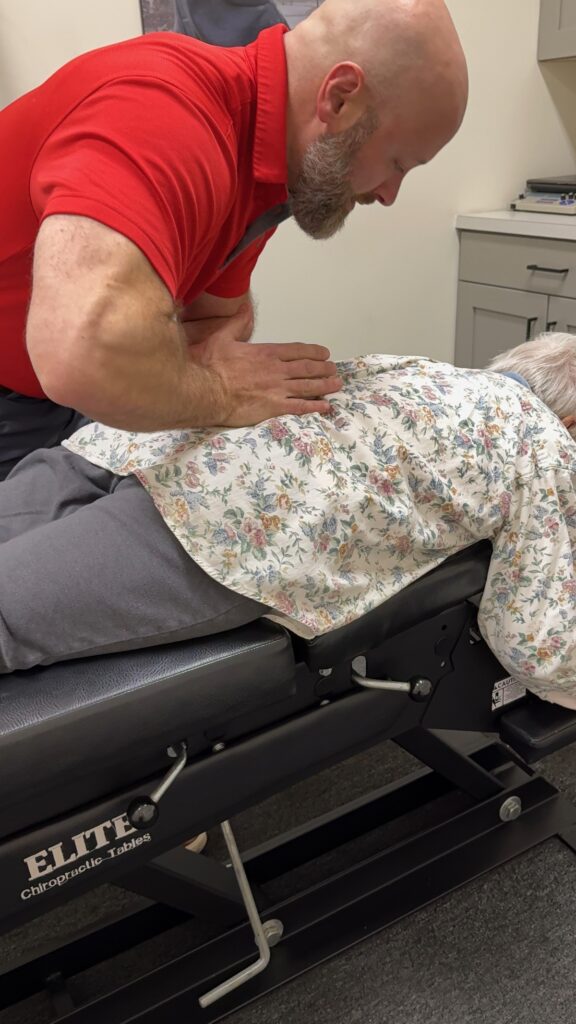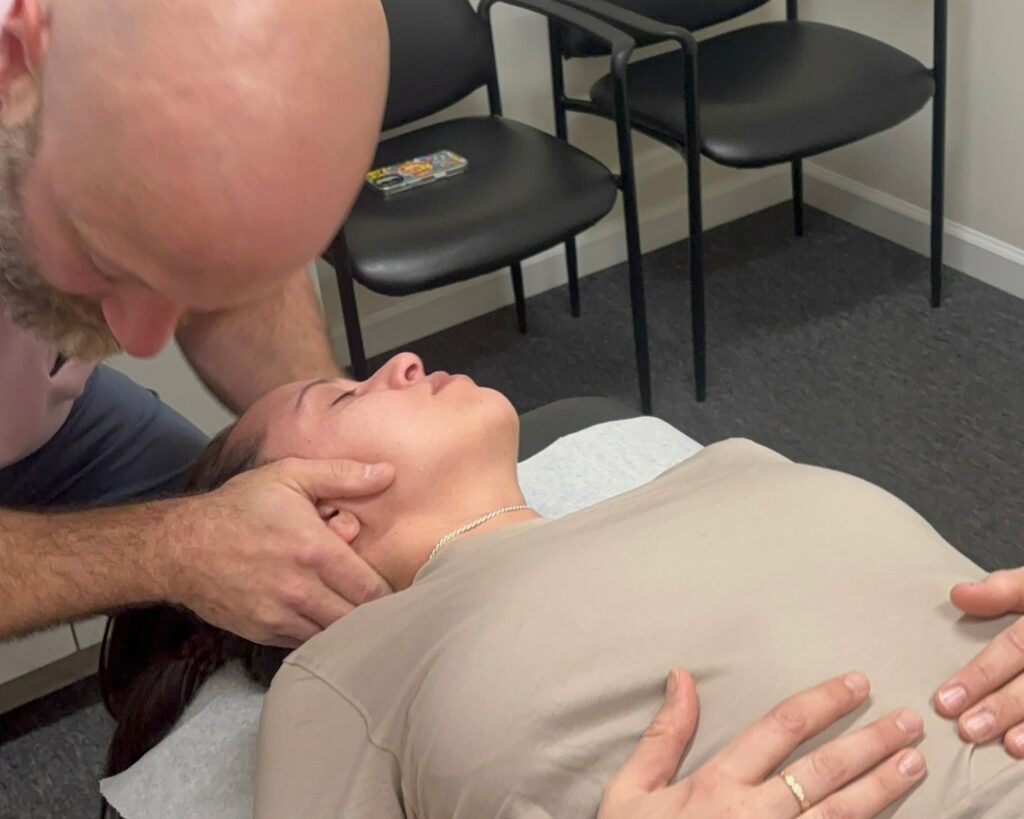

When headaches strike, seeking relief can sometimes feel overwhelming. Instead of turning to over-the-counter medications, why not explore some natural alternatives that can provide genuine comfort? As a chiropractor, I believe that taking a holistic approach to health is crucial, and chiropractic care can be one of the best options for pain relief and overall wellness.
Let’s start with chiropractic adjustments. These gentle manipulations of the spine can help alleviate tension and misalignments that may be contributing to your headaches. By ensuring that your spine is properly aligned, you can improve your body’s function and potentially reduce the frequency and intensity of headaches.
In addition to chiropractic care, consider incorporating some simple lifestyle tips to enhance your well-being. Staying hydrated is essential, as dehydration can often trigger headaches. Aim to drink plenty of water throughout the day. Regular exercise can also be beneficial for headache relief; it helps to reduce stress and tension, which are common headache triggers.
Another effective alternative is practicing relaxation techniques such as deep breathing, meditation, or yoga. These methods can help calm your mind and reduce muscle tension, potentially leading to fewer headaches.
If you’re interested in natural remedies, essential oils like peppermint or lavender can be soothing when applied to the temples or inhaled. They can provide a calming effect and may help alleviate headache symptoms.
In summary, when it comes to headache relief, consider the power of chiropractic care and integrate these healthy lifestyle practices into your routine. By focusing on natural healing and wellness, you can take meaningful steps toward achieving optimal health and reducing those pesky headaches.
Key Takeaways
Chiropractic care is an excellent way to align your spine and reduce tension, which can lead to fewer and less severe headaches. Through regular adjustments and personalized advice, we can help you find lasting relief from headaches and improve your overall health.
In addition to chiropractic adjustments, using essential oils like lavender and peppermint can be a great natural remedy for headaches. When applied correctly, these oils have soothing effects that can enhance circulation and relieve stress, which are common triggers for headaches.
Staying hydrated is another essential habit for preventing tension headaches. Make sure you drink enough water throughout the day, and pay attention to your posture—good posture can significantly reduce headache occurrences and contribute to better spinal health.
Incorporating mindfulness practices and yoga into your daily routine can also help manage stress levels, which is key to headache relief. These activities promote relaxation and can improve your spinal alignment, further enhancing your well-being.
Another effective strategy for headache relief is using cold and heat therapy. Applying a cold compress can numb pain and reduce inflammation, while heat can relax tense muscles. Alternating between both methods may provide the best relief tailored to your needs.
Remember, prioritizing chiropractic care along with these natural methods can pave the way to a healthier, headache-free life. If you’re struggling with headaches, consider visiting a chiropractor who can guide you in achieving optimal health through natural healing.
Acupuncture for Pain Relief
If you’re looking for a natural way to relieve headaches, chiropractic care may be the best option for you. This holistic approach focuses on aligning the spine and addressing the root causes of discomfort, such as muscle tension, stress, and poor posture. Many patients experience significant pain relief after just a few chiropractic sessions.
Chiropractic adjustments target the underlying issues that contribute to headaches, helping to restore balance and function to your body. During your visit, your chiropractor will perform gentle adjustments that can help alleviate tension in your neck and back, promoting relaxation and overall well-being.
One of the great aspects of chiropractic care is that many find it comfortable and relaxing. Plus, it offers a drug-free approach to pain relief, reducing the need for over-the-counter medications that may have unwanted side effects.
When seeking chiropractic care, it’s essential to choose a qualified chiropractor who understands your health history and can customize a treatment plan for your specific needs. They can also provide you with valuable tips and exercises to help manage and prevent headaches at home.
While results can vary from person to person, many find lasting relief through regular chiropractic care. If you’re open to exploring natural wellness options, consider adding chiropractic adjustments to your headache relief toolkit.
Essential Oils and Aromatherapy
As a chiropractor dedicated to your health and wellness, I want to share how you can find relief from headaches naturally, with essential oils being one of the options.
While oils like lavender and peppermint are well-known for their soothing properties, it’s important to understand that they can complement the benefits of chiropractic care rather than replace it.
Chiropractic adjustments help to align your spine, which can alleviate tension and stress that often contribute to headaches. However, if you’re looking to enhance your wellness routine, integrating essential oils can be a great addition.
You can use these oils through inhalation or by applying them topically, but always remember to follow safety guidelines to ensure a positive experience.
Here are some simple tips to help manage headaches naturally:
- Stay Hydrated: Dehydration can trigger headaches. Aim to drink plenty of water throughout the day.
- Practice Good Posture: Poor posture can lead to tension in your neck and shoulders, contributing to headaches. Keep your spine aligned, especially if you spend long hours at a desk.
- Use Essential Oils Wisely: Consider diffusing lavender or peppermint oils in your space or applying them to your temples for a soothing effect. Just be sure to do a patch test first and consult with a professional if you have any concerns.
- Regular Chiropractic Visits: Make chiropractic care a part of your wellness routine. Regular adjustments can help maintain spinal health and prevent headaches from becoming a recurring issue.
- Stress Management: Incorporate relaxation techniques such as deep breathing, yoga, or meditation into your daily routine to reduce stress levels.
By focusing on these natural approaches, you can support your overall well-being and find relief from headaches without resorting to medications or invasive treatments.
Popular Essential Oils
When it comes to finding relief from headaches, many individuals seek natural remedies, and essential oils can be a great addition to your wellness toolkit. However, it’s important to remember that while these oils can provide some relief, they work best when combined with a holistic approach to health, including regular chiropractic care.
Peppermint oil is a popular choice for headache relief, known for its cooling properties that can help to soothe discomfort and improve circulation. Applying diluted peppermint oil to your temples while receiving chiropractic adjustments can enhance the overall effect, helping to ease tension in the neck and shoulders that often contributes to headaches.
Lavender oil is renowned for its calming effects, making it effective for stress-related headaches. Incorporating lavender into your relaxation routine, perhaps during a chiropractic visit, can promote a sense of tranquility, allowing your body to heal more effectively.
Eucalyptus oil has a refreshing scent that can help open up nasal passages, which is beneficial for sinus headaches. While using eucalyptus oil, consider discussing any sinus issues with your chiropractor, who can offer spinal adjustments that help alleviate pressure and improve breathing.
Rosemary oil may stimulate blood flow, which can help reduce pain. In conjunction with chiropractic care, this can lead to better overall health and wellness, as proper spinal alignment supports optimal nerve function.
Chamomile oil is another soothing option that promotes relaxation. Pairing chamomile oil use with regular chiropractic sessions can help you manage stress better, as chiropractic care often reduces muscle tension and enhances relaxation.
Incorporating essential oils into your wellness routine is a great way to support your body’s natural healing processes. However, don’t forget that the best way to achieve optimal health and manage headaches effectively is through consistent chiropractic care.
Application Techniques
To enhance your wellness journey and find relief from headaches naturally, it’s important to explore effective application techniques for essential oils. Here are some methods that can complement your chiropractic care and support your overall health:
| Technique | Description |
|---|---|
| Inhalation | Add a few drops of your favorite essential oil to a diffuser or inhale directly from the bottle. This method can help ease tension and promote relaxation. |
| Topical Application | Mix essential oils with a carrier oil, such as coconut or jojoba oil, and gently massage the blend onto your temples and neck. This localized application can relieve discomfort while also promoting relaxation. |
| Bath Soak | Add a few drops of essential oils to warm bath water for a soothing soak. This full-body relaxation technique can help ease tension and stress, contributing to your overall well-being. |
| Compress | Soak a cloth in water mixed with essential oils and apply it to your forehead. This method can provide targeted relief and help calm your mind. |
| Aromatherapy Roll-On | Create a portable essential oil blend in a rollerball for easy application whenever you need relief. This on-the-go option is perfect for busy lifestyles. |
Remember to experiment with these techniques to discover what resonates with you. Essential oils can be a wonderful addition to your wellness routine, especially when combined with chiropractic adjustments. By focusing on natural healing methods, you can enhance your quality of life and maintain optimal health. Always consult with your chiropractor for personalized advice and support on your path to wellness!
Safety Considerations
While exploring the benefits of essential oils and aromatherapy, it’s essential to keep safety in mind. As a chiropractor, I want to emphasize that your overall health and wellness should always be a priority.
If you’re considering incorporating essential oils into your routine, remember to dilute them with a carrier oil before applying to your skin to avoid irritation. A quick patch test on a small area can help you check for any allergic reactions.
When using a diffuser, ensure the room is well-ventilated to create a pleasant environment without overwhelming scents that might lead to headaches instead of relieving them.
If you’re pregnant, nursing, or have specific health concerns, it’s wise to consult with a healthcare professional for personalized advice.
Also, keep all essential oils out of reach of children and pets, as some oils can be harmful.
By following these safety tips, you can enjoy the therapeutic advantages of essential oils while complementing your wellness journey with chiropractic care.
Herbal Remedies and Teas
When headaches strike, many people seek relief through various methods, including herbal remedies and teas. While these can provide some comfort, it’s essential to address the root cause of your headaches for long-term relief.
As a chiropractor, I encourage you to consider how spinal health plays a crucial role in overall wellness and can significantly impact headache frequency and severity.
One effective approach is to maintain proper spinal alignment through regular chiropractic adjustments. Misalignments in the spine can lead to tension and stress in the muscles around the neck and head, often resulting in headaches. By visiting a chiropractor, you can improve your spinal health, reduce tension, and potentially decrease the occurrence of headaches.
In addition to chiropractic care, you might find herbal options like peppermint and ginger helpful for immediate relief. Peppermint tea, for example, can provide a soothing effect, while ginger tea may help reduce inflammation.
Here’s a simple way to prepare these herbal remedies:
- Peppermint Tea: Steep a handful of fresh peppermint leaves or a tea bag in hot water for 5-10 minutes. Enjoy this calming tea while practicing deep breathing to further relax your body.
- Ginger Tea: Slice fresh ginger root and steep it in boiling water for about 10 minutes. Add a little honey or lemon for flavor if desired. This tea not only soothes headaches but also supports digestion.
While enjoying these herbal teas, remember that lifestyle habits play a significant role in headache management. Staying hydrated, maintaining good posture, and managing stress through relaxation techniques can also contribute to fewer headaches.
Always listen to your body and consult your chiropractor for personalized advice on how to achieve optimal health and wellness.
Incorporating these practices can lead to a healthier, more balanced life, ultimately reducing headache occurrences and improving your overall well-being.
Keep in mind that chiropractic care is a powerful tool for natural healing and pain relief, helping you achieve the wellness you deserve.
Popular Herbal Options
If you’re looking for natural ways to ease headaches, it’s essential to explore various options, but chiropractic care is a fantastic first step towards achieving optimal wellness.
Headaches can often be linked to tension in the neck and spine, which is where chiropractic adjustments come into play. By aligning your spine and relieving pressure on nerves, chiropractic care can provide significant relief and help prevent headaches from occurring in the first place.
In addition to chiropractic adjustments, you might consider incorporating some popular herbal remedies and teas into your routine. Peppermint is known for its soothing properties, while ginger can help reduce inflammation.
Chamomile is another calming herb that may alleviate tension. Feverfew is worth mentioning too; some studies suggest it might help prevent headaches altogether. You could try blending these herbs into a tea, as combining their effects may enhance relief.
Furthermore, essential oils like lavender or eucalyptus can be beneficial. Inhaling these scents or applying them topically can promote relaxation and ease discomfort.
However, remember that while these remedies can complement your wellness journey, they shouldn’t replace the core benefits of chiropractic care.
Always consult with a healthcare professional before starting any new herbal regimen to ensure it’s safe for you, but don’t forget that regular chiropractic visits can be a primary strategy for maintaining your overall health and preventing headaches.
Take charge of your wellness and prioritize natural healing through chiropractic care!
Effective Tea Blends
As a chiropractor dedicated to your health and wellness, I believe in the power of natural remedies to support your body’s healing process. If you’re experiencing headaches, consider incorporating herbal tea blends into your routine. These blends can complement your chiropractic care by providing soothing relief and enhancing your overall well-being.
Here are three effective herbal tea blends you might want to explore:
- Peppermint & Ginger: Peppermint is known for its ability to ease tension, while ginger has anti-inflammatory properties that can help reduce pain. Together, they create a refreshing blend that may help alleviate headache discomfort.
- Chamomile & Lavender: Both chamomile and lavender are renowned for their calming effects. This blend is particularly helpful for headaches caused by stress. Enjoying a cup before bedtime can also support better sleep, which is vital for recovery.
- Lemon Balm & Hibiscus: Lemon balm is uplifting and can improve your mood, while hibiscus is great for balancing blood pressure. This combination may help relieve headache symptoms and promote a sense of calm.
While these herbal teas can provide comfort, remember that regular chiropractic adjustments play a crucial role in addressing the root causes of headaches. By aligning your spine and optimizing your nervous system function, you can experience more consistent relief and improved overall health.
In addition to trying these tea blends, here are some general tips to help manage headaches naturally:
- Stay hydrated: Drink plenty of water throughout the day to prevent dehydration, a common headache trigger.
- Maintain good posture: Poor posture can lead to tension headaches; make sure to sit and stand with your spine aligned.
- Practice relaxation techniques: Incorporating deep breathing, meditation, or gentle stretching into your daily routine can help reduce stress and tension.
Preparation Tips and Methods
When it comes to relieving headaches, exploring natural remedies like herbal teas can be a wonderful addition to your wellness routine. As a chiropractor, I believe in the power of holistic healing, and properly preparing these herbal remedies can enhance their effectiveness.
Start by selecting high-quality herbs such as peppermint, ginger, or chamomile, which are known for their soothing properties. To make a tea, simply use one to two teaspoons of dried herbs per cup of boiling water. Steep the herbs for about 5 to 10 minutes to ensure you extract all the beneficial compounds.
If you’re interested in making a tincture, combine fresh herbs with alcohol or vinegar, allowing the mixture to sit for several weeks. After that period, strain the tincture before use. This concentrated form can be a potent ally in your wellness journey.
Don’t forget to personalize your herbal experience! A touch of honey or a squeeze of lemon can enhance the taste and provide additional soothing benefits.
While these natural remedies can be helpful, it’s essential to remember that they work best in conjunction with a balanced approach to health. Regular chiropractic care can help address the underlying issues contributing to headaches, such as spinal misalignments and tension in the body.
Always consult with your chiropractor for personalized advice, especially if you’re pregnant or on medication.
Mindfulness and Meditation Techniques
As you deal with the discomfort of a headache, incorporating mindfulness and meditation techniques can provide you with effective relief and enhance your overall wellness.
These practices not only help distract you from the pain but also promote relaxation and support your body’s natural healing processes. Here are three simple techniques you can try:
1. Deep Breathing: Start by finding a comfortable position, whether sitting or lying down. Take slow, deep breaths—inhale through your nose for a count of four, hold for four, and exhale through your mouth for another four. Repeat this cycle several times.
This technique helps to calm your nervous system and can alleviate tension in your body, which is often a contributor to headaches.
2. Body Scan: Close your eyes and take a moment to mentally scan your body from head to toe. Pay attention to any areas of tension or discomfort. As you notice these areas, consciously relax them, allowing the tension to melt away.
This practice can help you become more in tune with your body and its needs, promoting better overall health.
3. Guided Imagery: Visualize a calming scene, such as a serene beach or a lush forest. Focus on the colors, sounds, and feelings associated with this peaceful place.
By immersing yourself in this imagery, you can effectively distract your mind from the headache and promote a sense of tranquility.
In addition to these techniques, regular chiropractic care can play a vital role in preventing headaches and supporting your body’s natural healing abilities.
By addressing spinal misalignments and improving overall function, chiropractic adjustments can reduce the frequency and intensity of headaches. Remember, a healthy spine is essential for a healthy body!
Consider incorporating these mindfulness and meditation practices into your routine, along with regular chiropractic visits, to enhance your resilience against headaches and improve your overall well-being.
Embrace these natural approaches to health, and take proactive steps towards a pain-free life!
Physical Therapy and Chiropractic Care
Incorporating mindfulness techniques can significantly enhance your overall wellness, but when it comes to finding relief from headaches, addressing physical issues is crucial.
As a chiropractor, I want to emphasize how chiropractic care can be your best ally in managing and preventing headache pain. Chiropractic adjustments focus on realigning the spine and improving your overall body function. When your spine is properly aligned, it can relieve pressure on the nerves that may contribute to headaches.
By addressing these misalignments, we can help reduce the frequency and intensity of your headaches without the need for medications or invasive procedures.
In addition to spinal adjustments, I often recommend specific exercises and stretches tailored to your needs. These movements can strengthen weak areas, improve posture, and increase flexibility, all of which play a significant role in headache relief.
It’s also beneficial to incorporate good ergonomic practices in your daily life, such as maintaining proper posture while sitting and taking regular breaks from screens.
Remember, successful headache management is about addressing the root causes, not just masking symptoms. By choosing chiropractic care, you’re opting for a natural and proactive approach to health that supports your body’s ability to heal itself.
Don’t hesitate to reach out to your local chiropractor for personalized advice and a tailored care plan that can help you achieve a healthier, headache-free life.
Biofeedback and Relaxation Techniques
Many individuals experience headache pain, and as a local chiropractor, I want to share some natural techniques that can help you manage this discomfort effectively. By focusing on your body’s responses and incorporating relaxation methods, you can reduce the stress and tension that often lead to headaches.
Here are three techniques that can complement your chiropractic care and promote overall wellness:
- Biofeedback: This method utilizes sensors to track your body’s responses, such as muscle tension and heart rate. By observing these signals, you can learn to control them, which can help alleviate headache symptoms. It’s a fantastic way to become more aware of your body and its reactions.
- Deep Breathing Exercises: Taking a moment to focus on your breath can work wonders for calming your mind and relaxing your muscles. Try inhaling deeply through your nose, holding it for a moment, and then exhaling slowly through your mouth. This simple practice can help lower stress levels, which is essential for headache relief.
- Progressive Muscle Relaxation: This technique involves systematically tensing and then relaxing each muscle group in your body. By doing this, you can release built-up tension that may contribute to headaches. Start from your toes and work your way up to your head, paying attention to how your body feels with each release.
Incorporating these techniques into your daily routine can lead to significant relief from headaches and promote a healthier lifestyle.
Remember, regular chiropractic adjustments can also support your body’s natural healing processes and help maintain optimal spinal health, which is crucial for overall well-being.
Prioritize your health, and consider these methods as part of a comprehensive approach to managing headache pain naturally.
Dietary Changes and Nutritional Supplements
When it comes to managing headache pain, dietary changes and nutritional supplements can support your overall wellness strategy alongside chiropractic care. One of the simplest yet most effective steps is to stay hydrated, as dehydration is a common headache trigger. Make it a habit to drink plenty of water throughout the day.
Keeping a food diary can also be a valuable tool. By tracking what you eat, you may identify potential headache triggers such as aged cheeses, processed meats, or alcohol. This awareness can help you make informed choices.
Incorporating magnesium-rich foods into your diet, like leafy greens, nuts, and whole grains, is another great way to support your health. Magnesium plays a crucial role in muscle function and can help reduce the frequency of headaches.
Additionally, consider adding omega-3 fatty acids to your meals, which are found in fish and flaxseed. These nutrients can help reduce inflammation and provide relief.
Some individuals find that supplements such as riboflavin (vitamin B2) and coenzyme Q10 can be beneficial as well. However, it’s always a good idea to consult with a healthcare provider before starting any new supplements to ensure they’re right for you.
Remember, while dietary adjustments and nutritional supplements can play a part in headache management, regular chiropractic care can be an essential component of achieving and maintaining optimal health.
Chiropractic adjustments help ensure your spine is aligned, which can alleviate tension and promote better overall wellness. By combining these natural approaches, you can pave the way for more effective headache relief and a healthier lifestyle.
Cold and Heat Therapy
Cold and heat therapy can be great tools for relieving headache pain, each offering unique benefits. As a chiropractor, I encourage you to explore these natural methods, along with chiropractic care, for optimal health and wellness.
Here are some effective ways to incorporate cold and heat therapy into your routine:
- Cold Compress: Applying a cold pack or a cloth soaked in cold water to your forehead can provide numbing relief and help reduce inflammation. This technique is particularly beneficial for migraines. Remember, it’s all about finding what works for you and your body.
- Heat Pad: Using a warm compress or heat pad on your neck and shoulders can help relax tight muscles, which is especially useful for tension headaches. Just ensure the heat is warm, not too hot, to avoid any discomfort.
- Alternating Methods: Sometimes, alternating between cold and heat can provide the best relief. Start with a cold compress to help reduce swelling, then switch to heat to ease tight muscles. This combination can enhance your comfort and promote relaxation.
In addition to these techniques, consider regular chiropractic adjustments to help maintain spinal health and alleviate tension that can lead to headaches.
Chiropractic care focuses on addressing the root causes of pain and tension, promoting natural healing and overall wellness.
Experiment with these natural methods to find what works best for you, and always remember that chiropractic care is a fantastic option for achieving and maintaining optimal health.
Take charge of your wellness journey!
Yoga and Stretching Exercises
Yoga and stretching exercises can be beneficial for relieving headaches, but it’s essential to understand that chiropractic care offers a more comprehensive approach to achieving optimal health and pain relief.
As a chiropractor, I want to emphasize the importance of spinal health and how it plays a crucial role in overall wellness.
When you experience headaches, it often stems from tension in the neck and shoulders, which can be alleviated through proper spinal alignment. While yoga and stretching can help to some extent, regular chiropractic adjustments can target the root cause of your discomfort by ensuring your spine is aligned and functioning optimally.
Incorporating mindfulness and breathwork into your routine can complement chiropractic care, promoting relaxation and reducing stress. However, remember that a well-aligned spine enhances your body’s natural healing abilities, making it easier to manage pain and tension.
Here are some general tips to help you find relief from headaches:
- Stay Hydrated: Dehydration can contribute to headaches, so drink plenty of water throughout the day.
- Practice Good Posture: Ensure your workstation is ergonomically friendly to avoid unnecessary strain on your neck and back.
- Regular Chiropractic Visits: Schedule regular check-ups with your chiropractor to maintain spinal health and address any issues before they become more significant problems.
- Gentle Neck Stretches: Incorporate gentle neck stretches into your routine, but always consult your chiropractor for personalized guidance.
- Mindfulness Techniques: Practice deep breathing exercises to reduce stress and promote relaxation.
By prioritizing chiropractic care alongside these tips, you can achieve lasting relief from headaches and enhance your overall health and well-being.
Benefits of Yoga
While many individuals may turn to medication for immediate headache relief, incorporating yoga and stretching exercises into your daily routine can provide significant long-term benefits.
As a chiropractor, I emphasize the importance of addressing both physical and mental stressors, which can greatly contribute to headaches. Here are three key benefits of integrating yoga into your wellness routine, complemented by chiropractic care:
- Improves Flexibility: Engaging in yoga enhances your body’s flexibility, which can reduce tension in the neck and shoulders—common culprits behind headaches. By maintaining a flexible spine and surrounding muscles, you help prevent the misalignments that contribute to pain.
- Reduces Stress: The mindful breathing and meditation techniques practiced in yoga are effective in lowering stress levels. Stress is a well-known trigger for headaches, and by managing it through yoga, you can create a calmer mind and body, allowing for better overall health.
- Promotes Better Posture: Yoga encourages proper alignment and posture, which is essential for spinal health. Good posture alleviates strain on muscles and joints, reducing the likelihood of headache pain.
Coupling yoga with regular chiropractic adjustments can further support your spine and enhance your overall well-being.
Incorporating these practices into your life can lead to a more holistic approach to health.
Remember to listen to your body, start with gentle stretches, and consider regular chiropractic care to keep your spine in optimal condition. Together, yoga and chiropractic can help you achieve a healthier, pain-free lifestyle.
Effective Stretching Techniques
Incorporating effective stretching techniques into your daily routine can significantly enhance your overall well-being and help alleviate headache discomfort. As a chiropractor, I believe that maintaining proper spinal health is key to preventing headaches and promoting natural healing. Simple stretches can relieve tension in your neck and shoulders, reducing the likelihood of headaches.
Start with gentle neck rolls and shoulder shrugs to loosen tight muscles. These movements can help realign your spine and improve your posture, which is essential for optimal health. Try incorporating forward bends to stretch your spine and release built-up tension. A seated cat-cow stretch can also be beneficial, as it improves flexibility and increases blood flow, helping to ease discomfort.
Remember to hold each stretch for at least 15-30 seconds, and focus on deep breathing as you do so. This not only enhances the effectiveness of the stretch but also promotes relaxation and stress relief. Regular stretching can be a powerful tool in your self-care routine, helping you prevent headaches and manage pain naturally.
By committing to these techniques and prioritizing your spinal health, you empower yourself to take control of your well-being. Alongside regular chiropractic care, these practices can lead to a healthier, pain-free life.
Always remember, chiropractic care is the best choice for achieving and maintaining optimal health, allowing your body to heal naturally without the need for medications or surgeries.
Mindfulness and Breathwork
Mindfulness and breathwork are powerful tools that can complement chiropractic care in managing headaches and promoting overall relaxation. By focusing your mind and controlling your breath, you can significantly reduce the stress and tension that often contribute to headache pain.
Here are three simple techniques to integrate into your daily routine, which can enhance the benefits of chiropractic adjustments and support your journey towards optimal health:
- Deep Breathing: Take a moment to inhale deeply through your nose, hold that breath for a count of three, and then exhale slowly through your mouth. Practicing this deep breathing technique for just a few minutes can help calm your mind and relax your body, making it an excellent addition to your wellness routine.
- Progressive Muscle Relaxation: This technique involves gently tensing and then relaxing each muscle group, starting from your toes and working your way up to your head. By doing this, you can release built-up tension and promote a greater sense of physical and mental well-being, which complements your chiropractic care.
- Mindful Meditation: Find a quiet space to spend a few minutes focusing on your breath. Allow any distracting thoughts to drift away as you become more aware of your body and mind. This practice not only enhances mental clarity but can also help reduce headache triggers, making it a valuable addition to your self-care toolkit.
Incorporating these mindfulness and breathwork techniques into your routine can be a wonderful way to support your chiropractic care and enhance your overall wellness.
Lifestyle Modifications and Stress Management
To effectively manage headaches and enhance your overall well-being, making lifestyle modifications and prioritizing stress management are essential steps. As a chiropractor, I often help patients identify common headache triggers, such as poor sleep, dehydration, and certain foods.
One of the simplest yet most impactful changes you can make is ensuring you drink enough water and consume balanced meals to support your health and spine.
Regular exercise is another key element. Not only does it help reduce tension in your body, but it also boosts your mood, making you less susceptible to headaches. Incorporating activities like walking, stretching, or yoga can be beneficial.
Don’t underestimate the power of a good night’s sleep. Aim for 7-8 hours each night, and consider establishing a calming bedtime routine to improve your sleep quality. A well-rested body is less likely to develop tension headaches.
In addition, practicing stress management techniques, such as yoga or meditation, can greatly assist in coping with daily pressures. These practices not only promote relaxation but also support spinal health by reducing muscle tension.
Setting aside time each day for activities that bring you joy—like reading, gardening, or listening to music—can significantly lower stress levels. These enjoyable moments are vital for your mental and emotional well-being.
By making these adjustments and considering regular chiropractic care, you’re not only working towards headache relief but also embracing a path to natural wellness and optimal health.
Chiropractic care focuses on spinal alignment and overall body function, which can be incredibly effective in managing pain and enhancing your quality of life.
Conclusion
Incorporating trusted alternatives into your routine can significantly enhance your headache relief, and chiropractic care should be at the forefront of your approach. Chiropractic adjustments can help alleviate tension in your spine and improve overall nervous system function, which may reduce headache frequency and intensity.
In addition to chiropractic care, consider exploring complementary practices such as acupuncture, essential oils, and mindfulness techniques. These can work synergistically with the adjustments you receive to promote relaxation and balance in your body.
Don’t overlook the importance of diet and hydration. Consuming a well-balanced diet rich in anti-inflammatory foods and staying properly hydrated can make a noticeable difference in how you feel. Regular physical activity, tailored to your abilities, is also beneficial for maintaining a healthy spine and reducing stress, which can contribute to headaches.
By prioritizing self-care and making small lifestyle adjustments, you can effectively manage headaches and improve your overall quality of life. Start today by scheduling a chiropractic appointment and experimenting with these supportive practices to discover your path to relief! Remember, the key is to find what works best for you—your journey to optimal health starts with taking these proactive steps.