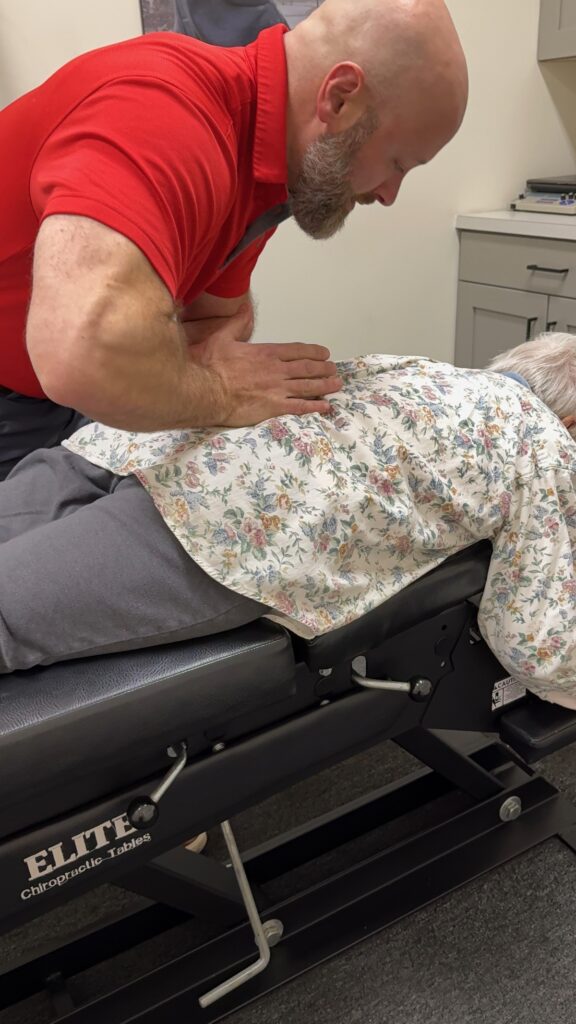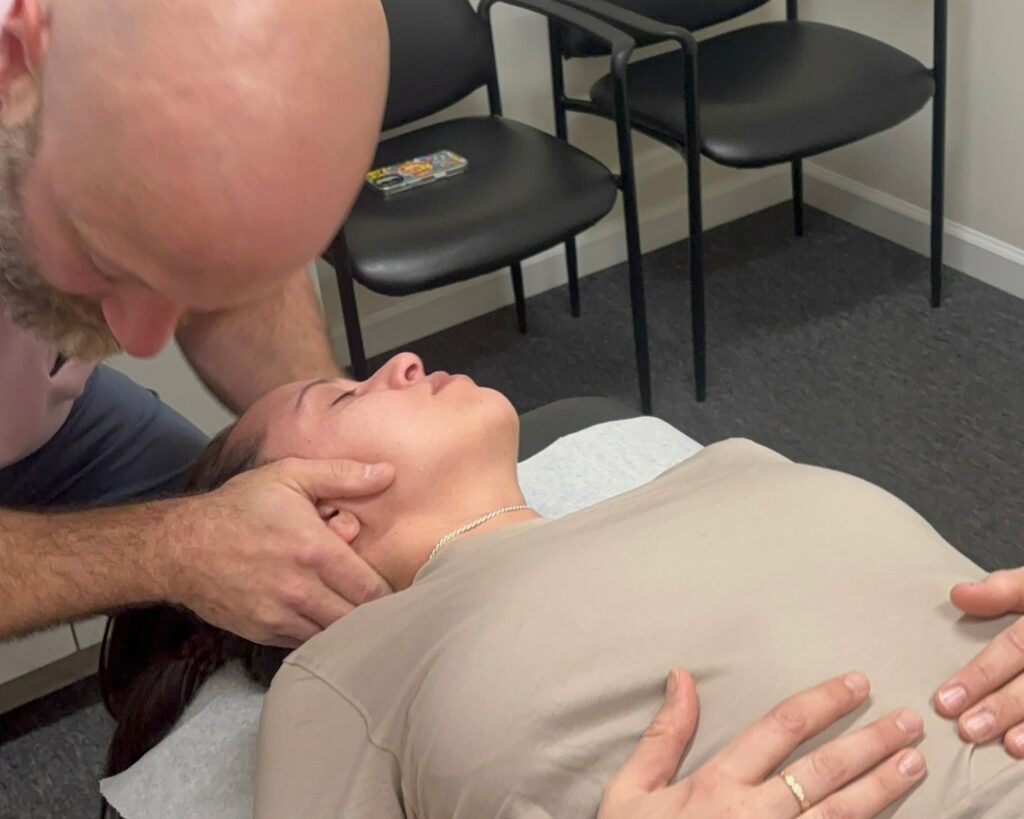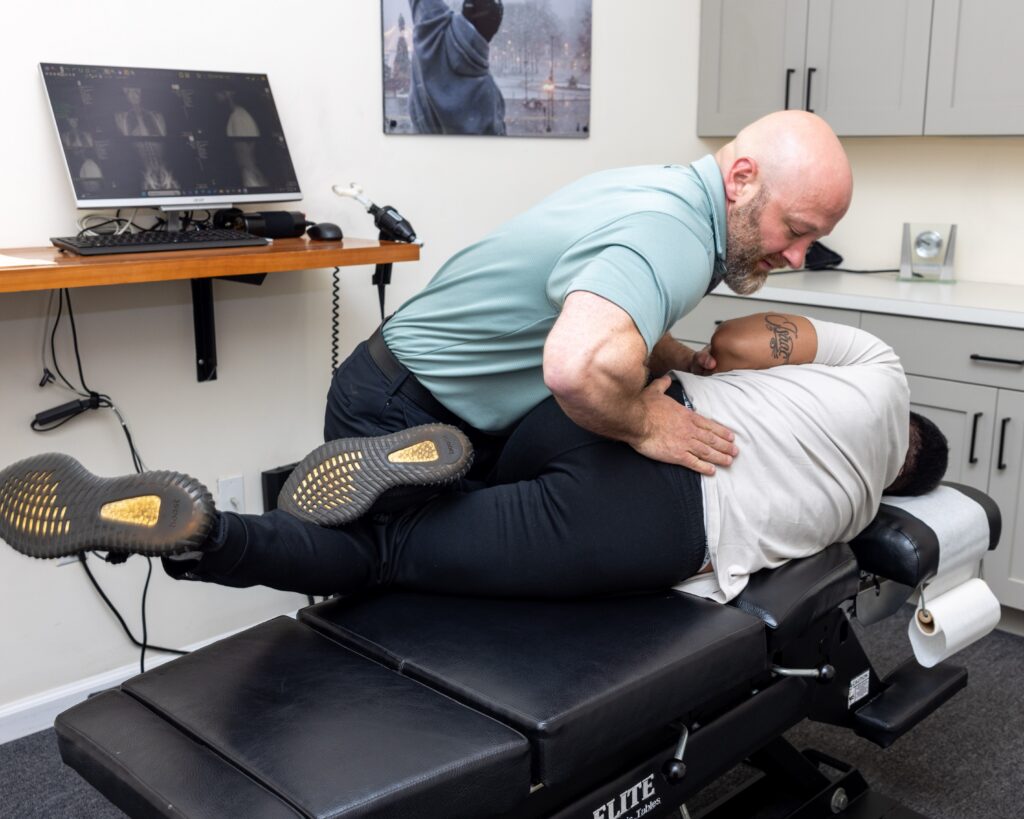

If you’re experiencing low back pain, it’s easy to assume it’s just a strain or some tight muscles. However, there can often be more going on beneath the surface—hidden injuries that may be contributing to your discomfort. Conditions like disc herniations or nerve compression can sometimes feel like ordinary aches, but understanding these underlying issues is crucial for finding effective relief.
Chiropractic care can be incredibly beneficial in addressing these hidden injuries. Through gentle adjustments and targeted therapies, we can help restore proper alignment to your spine, reduce nerve tension, and promote natural healing. By focusing on the root cause of your pain rather than just the symptoms, you can achieve lasting relief and improved overall wellness.
Here are some general tips to help manage your low back pain:
- Stay Active: Gentle movements and stretches can keep your back muscles flexible and strong. Activities like walking, swimming, or specific yoga poses can be particularly helpful.
- Maintain Good Posture: Pay attention to your posture, whether you’re sitting, standing, or lifting. Proper alignment can prevent unnecessary strain on your back.
- Create a Supportive Environment: Make sure your workspace is ergonomically friendly. Use chairs that support your lower back and keep your computer screen at eye level.
- Listen to Your Body: If certain movements trigger pain, take note and avoid them. Your body often knows what it needs to heal.
- Stay Hydrated: Drinking plenty of water supports spinal health and helps maintain the elasticity of your discs.
- Consider Chiropractic Adjustments: Regular visits to your chiropractor can help keep your spine aligned and functioning optimally, reducing the risk of further injury.
By understanding the complexities of low back pain and utilizing chiropractic care, you can take meaningful steps towards achieving optimal health and wellness. Remember, your journey to a pain-free life starts with the right knowledge and support. What might be hiding behind your pain? Let’s explore it together!
Key Takeaways
Uncovering the hidden causes of low back pain is essential for achieving optimal health and wellness. Often, this discomfort may arise from underlying issues such as herniated discs, bulging discs, or degenerative disc conditions, even in the absence of a specific injury.
Nerve compression from these conditions, along with bone spurs or spinal stenosis, can lead to symptoms like tingling, numbness, or weakness in your legs. It’s vital to recognize that these signs indicate that your spine may need some attention.
Additionally, joint dysfunctions, particularly in the sacroiliac or facet joints, can cause localized pain and stiffness. Many people mistakenly attribute this discomfort to other back problems, but a thorough chiropractic assessment can help identify the real source of your pain.
Muscle imbalances play a significant role in back pain as well. Weak core muscles paired with tight hip flexors can alter your posture and place extra strain on your spine. To combat this, incorporating exercises that strengthen your core and stretch your hip flexors can be incredibly beneficial.
As a chiropractor, I believe that early detection and treatment are key. A proper assessment, along with imaging when necessary, can reveal the underlying causes of low back pain and guide us towards effective, natural treatment options.
For those dealing with low back pain, here are some simple tips to promote healing and wellness:
- Stay Active: Engage in low-impact exercises like walking or swimming to keep your body moving without placing too much strain on your back.
- Practice Good Posture: Be mindful of your posture when sitting or standing. Keeping your spine aligned can alleviate pressure and pain.
- Incorporate Stretching: Regularly stretch your muscles to maintain flexibility and reduce tension in your back.
- Focus on Core Strength: Work on exercises that strengthen your core to support your spine better and reduce the risk of injury.
- Consider Chiropractic Care: Regular chiropractic adjustments can help restore proper alignment, alleviate pain, and promote overall wellness.
Choosing chiropractic care is a natural, effective way to address low back pain and enhance your overall health. By focusing on the root causes and implementing these helpful strategies, you can take significant steps towards a pain-free life.
Common Misconceptions About Low Back Pain
Many individuals believe that low back pain is solely caused by injury or overexertion, but this isn’t the complete picture. There are numerous factors that can contribute to low back pain that may not be linked to a specific incident. For instance, stress and emotional tension can often manifest physically, resulting in tight muscles and discomfort in your back.
Additionally, poor posture, particularly from prolonged sitting or standing, can place unnecessary strain on your back. It’s also important to consider lifestyle choices such as lack of exercise or being overweight, which can intensify back issues. Furthermore, certain medical conditions—like arthritis or kidney stones—can produce pain that may feel as though it originates from the lower back.
Understanding these common misconceptions about low back pain is crucial for effectively addressing and managing your discomfort. Instead of jumping to the conclusion that it’s always due to an injury, take a moment to examine other factors that could be contributing to your experience.
As a chiropractor, I recommend a holistic approach to managing low back pain. Here are some tips to promote healing and wellness:
- Focus on Posture: Be mindful of your posture when sitting or standing. Ergonomic adjustments in your workspace can make a big difference.
- Stay Active: Regular physical activity strengthens your back muscles and improves flexibility. Simple exercises like walking or stretching can be beneficial.
- Manage Stress: Incorporate stress-relief techniques such as deep breathing, yoga, or meditation into your daily routine to help alleviate tension in your muscles.
- Maintain a Healthy Weight: Paying attention to your nutrition and maintaining a healthy weight can reduce strain on your back.
- Consider Chiropractic Care: Regular chiropractic adjustments can help realign your spine, relieve tension, and enhance your overall health and wellness.
The Role of Spinal Disc Injuries
When it comes to low back pain, spinal disc injuries can have a major impact on your well-being. Understanding the symptoms associated with different types of disc injuries is essential for getting the right care and relief. As a chiropractor, my goal is to help you navigate these issues naturally, without the need for medications or surgeries.
Spinal discs act as cushions between the vertebrae in your spine, and injuries to these discs can lead to pain and discomfort. Common types of disc injuries include herniated discs and degenerative disc disease, each presenting unique symptoms. You might experience pain, numbness, or weakness in your back or legs, depending on the nature of the injury.
The good news is that chiropractic care focuses on addressing the root causes of your pain. Through gentle adjustments and targeted therapies, we can help restore proper alignment to your spine, relieve pressure on the discs, and promote natural healing. This holistic approach not only alleviates pain but also supports your overall health and wellness.
Here are some helpful tips to manage low back pain and maintain a healthy spine:
- Stay Active: Gentle exercises, like walking or swimming, can strengthen your back muscles and improve flexibility.
- Practice Good Posture: Be mindful of your posture while sitting, standing, and lifting. Proper alignment can reduce strain on your spine.
- Use Proper Lifting Techniques: Bend at your knees and keep your back straight when lifting heavy objects to avoid unnecessary stress on your discs.
- Incorporate Stretching: Regular stretching can help maintain flexibility in your spine and reduce tension in your muscles.
- Stay Hydrated: Drinking plenty of water supports the health of your spinal discs, as they rely on hydration to maintain their cushioning properties.
If you’re experiencing low back pain, consider consulting with a chiropractor for a personalized approach to your health. Together, we can work towards a pain-free life and optimal wellness, naturally!
Types of Disc Injuries
Spinal disc injuries are often a key factor in the development of low back pain, and understanding them can empower you to take charge of your health. By learning about these injuries, you can make informed choices that promote natural healing and overall wellness. Here’s a breakdown of the main types of disc injuries that you should be aware of, along with some helpful tips:
| Injury Type | Description | Common Causes |
|---|---|---|
| Herniated Disc | This occurs when the disc material pushes out and may press on nearby nerves. | Heavy lifting, trauma |
| Bulging Disc | In this case, the disc protrudes outward but stays intact, which can still cause discomfort. | Aging, wear and tear |
| Degenerative Disc | The disc gradually loses hydration and cushioning, leading to stiffness and pain. | Aging, repetitive strain |
| Disc Tear | Cracks develop in the disc material, which can cause significant pain. | Sudden movements, injury |
Recognizing these types of injuries is crucial, as it can lead you to effective treatment options. Chiropractic care is an excellent choice for addressing these issues naturally. A chiropractor can help you with gentle adjustments, exercises, and lifestyle advice to alleviate pain and improve your overall spinal health.
Here are some tips to support your spine and prevent disc injuries:
- Practice Good Posture: Whether you’re sitting, standing, or lifting, maintaining good posture can reduce strain on your spine.
- Stay Active: Regular low-impact exercises, like walking or swimming, can strengthen your back and core muscles, providing better support for your spine.
- Use Proper Lifting Techniques: When lifting heavy objects, bend at your knees rather than your back, and keep the object close to your body.
- Stretch Regularly: Incorporate stretching into your daily routine to keep your muscles flexible and reduce tension in your back.
- Stay Hydrated: Drinking enough water helps maintain hydration in your spinal discs, keeping them healthy and functioning properly.
Symptoms and Diagnosis
Spinal disc injuries can significantly impact your daily life, but there’s hope for relief!
Common symptoms include persistent lower back pain that may travel down your legs, indicating that nerves might be affected. You might also experience stiffness, reduced mobility, and muscle spasms, making everyday tasks like bending or lifting quite challenging.
As a chiropractor, I want to emphasize the importance of understanding these symptoms. Early detection can lead to effective and natural treatment options that focus on healing rather than masking pain.
A thorough assessment of your symptoms and medical history is the first step. This may involve a physical examination and, if necessary, imaging tests like MRI or CT scans to get a clearer picture of what’s going on in your spine.
Chiropractic care is a fantastic option for addressing spinal disc injuries. Through gentle adjustments and targeted therapies, we can help alleviate pain, restore mobility, and promote healing.
It’s essential to listen to your body and address these signs promptly to improve your quality of life.
In addition to chiropractic adjustments, consider incorporating some simple tips into your routine:
- Stay Active: Engage in low-impact exercises like walking or swimming to keep your back strong and flexible.
- Maintain Good Posture: Be mindful of your posture when sitting, standing, or lifting to reduce strain on your spine.
- Stretch Regularly: Gentle stretching can help alleviate stiffness and improve mobility.
- Stay Hydrated: Drinking plenty of water supports overall health and can aid in disc health.
Remember, chiropractic care is focused on your body’s natural ability to heal. By addressing spinal disc injuries early and choosing a holistic approach, you can achieve optimal health and wellness.
Don’t hesitate to reach out for guidance on your journey to recovery!
Identifying Sacroiliac Joint Dysfunction
Identifying sacroiliac joint dysfunction can sometimes feel overwhelming, especially since its symptoms can resemble those of other conditions. You may notice discomfort in your lower back, hips, or even down your legs, which can make it challenging to determine the exact issue. As a local chiropractor, I want to help you understand this condition better, so let’s take a look at the common signs of sacroiliac joint dysfunction:
| Symptoms | Location |
|---|---|
| Sharp pain | Lower back |
| Radiating pain | Hips or thighs |
| Stiffness | Lower back or hips |
| Pain during specific activities | Sitting, standing, or moving |
If you find that you’re experiencing any of these symptoms, it’s important to have a conversation with a healthcare professional who understands the benefits of chiropractic care. Early detection is key; the sooner we address these symptoms, the better we can work together to find relief and improve your overall quality of life.
Chiropractic care focuses on natural healing and can be an effective approach for managing pain and discomfort associated with sacroiliac joint dysfunction. Through gentle adjustments and targeted therapies, we can help restore balance to your spine and joints, promoting healing without the need for medications or surgeries.
Here are some simple tips you can incorporate into your daily routine to support your spinal health:
- Practice Good Posture: Pay attention to how you sit, stand, and move throughout the day. Good posture can alleviate stress on your spine and pelvis.
- Stay Active: Engage in low-impact exercises like walking, swimming, or yoga. Regular movement can enhance flexibility and strength, reducing the risk of pain.
- Stretch Regularly: Incorporate gentle stretching exercises to keep your muscles flexible and reduce stiffness in your lower back and hips.
- Use Proper Lifting Techniques: When lifting heavy objects, bend your knees and keep your back straight to avoid putting strain on your lower back.
- Consider Chiropractic Care: Regular visits to a chiropractor can help identify and address underlying issues, offering a natural path to relief and wellness.
Don’t ignore the signs your body is giving you. Taking proactive steps to care for your spine can lead to lasting health benefits. Let’s work together to uncover the root cause of your discomfort and help you achieve optimal health through chiropractic care!
Understanding Muscular Imbalances
How often do you consider how muscular imbalances might affect your low back pain? These imbalances can significantly increase your discomfort, often resulting from insufficient strength or flexibility in specific muscle groups. When some muscles are overactive while others are underactive, it can lead to tension and strain on your lower back. Identifying these imbalances is crucial for effective treatment, and that’s where chiropractic care comes in.
Here are four essential factors to keep in mind:
- Core Stability: Weak core muscles struggle to support your spine effectively, which can lead to instability. Chiropractic adjustments can help improve core strength and function.
- Hip Flexor Tightness: Tight hip flexors may pull your pelvis forward, impacting your posture. Chiropractic care can assist in relieving this tension, promoting better alignment.
- Glute Activation: If your glutes aren’t firing properly, your lower back may bear more load during movement. Chiropractors can guide you through exercises to activate these muscles effectively.
- Upper Body Posture: Poor posture can affect how your lower back functions and carries weight. Chiropractic adjustments can help realign your spine, allowing for better posture and reducing strain on your lower back.
The Impact of Nerve Compression
Nerve compression can significantly impact your low back pain and may lead to surprising symptoms that can affect your daily life. As a local chiropractor, I want to help you understand the causes of this compression and the signs your body is trying to communicate. Recognizing these signs is the first step towards regaining your well-being.
When nerves in your spine become compressed, it can result in pain, tingling, or numbness in various parts of your body. This is often due to misalignments in the spine, muscle tension, or poor posture. It’s crucial to listen to your body and take action before these symptoms escalate.
Chiropractic care is an excellent option for addressing nerve compression and alleviating low back pain naturally. By focusing on spinal alignment and restoring proper function to your nervous system, chiropractic adjustments can help relieve pressure on your nerves, reducing pain and improving mobility.
Here are some general tips you can incorporate into your daily routine to promote a healthier spine and prevent nerve compression:
- Maintain Good Posture: Be mindful of your posture, especially when sitting for long periods. Use ergonomic furniture and take regular breaks to stretch.
- Stay Active: Engage in regular physical activity to strengthen your core muscles and support your spine. Low-impact exercises like walking, swimming, or yoga can be beneficial.
- Practice Stress Relief: Stress can lead to muscle tension, which may contribute to nerve compression. Incorporate relaxation techniques such as deep breathing, meditation, or gentle stretching into your routine.
- Stay Hydrated: Drinking enough water is essential for maintaining healthy spinal discs and overall bodily function.
- Schedule Regular Chiropractic Visits: Regular adjustments can help keep your spine aligned and functioning effectively, preventing issues before they start.
Causes of Nerve Compression
When your spine is under strain, it can lead to nerve compression, resulting in pain and discomfort that can affect your daily life. Understanding the common causes can empower you to take proactive steps towards relief and optimal health.
Here are four factors that can contribute to nerve compression, along with some tips on how chiropractic care can help:
- Herniated Discs: When the soft material inside your spinal discs bulges out, it can press on nearby nerves, causing pain. Chiropractic adjustments can help realign your spine and relieve this pressure naturally, promoting healing without the need for invasive procedures.
- Bone Spurs: These bony growths can develop from arthritis and may crowd the nerve pathways. Chiropractic care can help improve your spinal alignment and mobility, reducing the impact of bone spurs over time.
- Spinal Stenosis: A narrowing of the spinal canal can put pressure on the nerves. Regular chiropractic adjustments can assist in maintaining an optimal spinal structure, helping to alleviate discomfort associated with spinal stenosis.
- Poor Posture: Slouching or improper ergonomics can strain your spine, leading to nerve issues over time. Being mindful of your posture while sitting, standing, or working can make a big difference. Chiropractic care can also provide guidance on proper body mechanics and exercises to strengthen your back.
By understanding these factors, you can take control of your spinal health. Regular chiropractic visits not only help relieve pain but also promote overall wellness by encouraging a naturally aligned spine.
Symptoms to Recognize
Recognizing the symptoms of nerve compression is crucial for taking proactive steps towards your health and wellness. If you’re experiencing tingling, numbness, or a burning sensation in your lower back, legs, or feet, these may be signs that a nerve is being pinched or compressed. You might also notice weakness in your legs or have difficulty walking, which can indicate that the issue is more serious. Sharp or shooting pain radiating from your lower back down your leg could suggest sciatica, a common concern related to nerve compression.
It’s important to pay attention to how these symptoms affect your daily life. If you find it challenging to perform routine activities or notice changes in bowel or bladder control, it’s essential to seek help. Chiropractic care can be an effective and natural way to address these issues. A chiropractor can assess your spine and nervous system to identify the root cause of your discomfort and develop a tailored treatment plan aimed at restoring balance and function.
In addition to seeking chiropractic care, there are simple tips you can integrate into your daily routine to support your spinal health. Regular gentle stretching, maintaining good posture, and engaging in low-impact exercises can help keep your spine aligned and your nerves free from compression. Staying hydrated and practicing stress-reducing techniques, like deep breathing or yoga, can also contribute to overall wellness.
Treatment Options Available
Understanding the impact of nerve compression is vital for improving your overall health and well-being. If you’re dealing with low back pain, addressing nerve issues through natural methods can significantly enhance your quality of life.
Here are some effective treatment options to consider, particularly focusing on the benefits of chiropractic care:
- Chiropractic Adjustments: Regular chiropractic adjustments can help realign the spine, relieving pressure on nerves and promoting better function. This natural approach encourages your body’s innate ability to heal itself.
- Physical Therapy: Complementing chiropractic care with targeted exercises can strengthen your back and support your spine, further alleviating nerve pressure. Your chiropractor can guide you in creating a personalized exercise plan.
- Lifestyle Modifications: Simple changes in your daily routine, such as maintaining proper posture, using ergonomic furniture, and incorporating gentle stretches, can have a positive impact on your spinal health and overall well-being.
- Holistic Approaches: Techniques like massage therapy, acupuncture, and yoga can work in harmony with chiropractic care to reduce tension, enhance blood flow, and support nerve health.
Exploring Facet Joint Dysfunction
Facet joint dysfunction can be a significant yet often overlooked contributor to low back pain. These small joints in your spine play a crucial role in helping you bend and twist. However, they can become irritated or injured due to factors such as repetitive motions or poor posture. When this occurs, you may experience localized pain, stiffness, or even discomfort that radiates down your legs.
You might find that certain movements, especially twisting or reaching, make the pain worse. This dysfunction can also lead to muscle tension as your body tries to compensate for the discomfort. If you’re dealing with persistent low back pain, it’s essential to consider facet joint dysfunction as a possible cause.
Identifying this issue early is key to understanding the root of your pain and choosing the right treatment options. Chiropractic care offers a natural and effective approach to addressing facet joint dysfunction. By focusing on spinal adjustments and targeted therapies, you can alleviate pain and restore mobility in your daily activities.
Here are some helpful tips to manage and prevent facet joint dysfunction:
- Maintain Good Posture: Pay attention to your posture while sitting, standing, and lifting. Keeping your spine aligned can help reduce strain on the facet joints.
- Stay Active: Regular exercise, including stretching and strengthening exercises, can help keep your spine healthy and improve flexibility.
- Listen to Your Body: If you feel pain while performing certain movements, take a break and avoid those actions until you can address the issue.
- Consider Chiropractic Care: Regular visits to a chiropractor can help keep your spine aligned and reduce the risk of developing facet joint dysfunction.
Importance of Early Diagnosis and Treatment
Early identification of low back pain causes, such as facet joint dysfunction, is crucial for your recovery journey.
Recognizing these issues early allows for timely chiropractic interventions, which can lead to better outcomes.
Here’s why early diagnosis and treatment through chiropractic care are essential:
1. Personalized Care Plans: By identifying the specific cause of your pain, we can create a tailored treatment strategy that meets your unique needs.
This might include spinal adjustments, stretches, and exercises designed just for you.
2. Avoiding Complications: Early chiropractic care can help prevent minor issues from turning into more serious injuries or chronic pain.
By addressing the root cause, we can help keep your spine healthy and functioning properly.
3. Faster Recovery: Seeking chiropractic care promptly often leads to quicker healing.
With regular adjustments and proper guidance, you can return to your daily activities sooner and with less discomfort.
4. Better Quality of Life: Tackling pain early on can significantly enhance your overall well-being.
By improving your spinal health, you can enjoy a more active and fulfilling lifestyle.
Remember, taking action early can set the stage for a smoother recovery.
Here are some general tips you can incorporate into your daily routine to support your back health:
- Stay Active: Engage in gentle exercises and stretches to keep your back muscles strong and flexible.
- Practice Good Posture: Be mindful of your posture, whether sitting, standing, or lifting. Good alignment can help reduce strain on your back.
- Listen to Your Body: If you feel discomfort, don’t ignore it. Consult your chiropractor for advice and potential treatment options.
- Stay Hydrated: Drinking plenty of water helps maintain the health of your spinal discs and overall body function.
Conclusion
In summary, it’s important not to overlook low back pain—it can be a sign of underlying issues that require attention. Understanding potential causes such as disc injuries, joint dysfunctions, and nerve compression is crucial in taking proactive steps toward recovery. As your local chiropractor, I emphasize that early diagnosis and targeted chiropractic treatment can help uncover these hidden problems.
Chiropractic care is a natural and effective way to relieve pain and promote healing. By focusing on the spine, we can address misalignments and restore proper function, leading to lasting relief. Additionally, prioritizing good posture, staying hydrated, and engaging in appropriate exercises can significantly enhance your healing journey.
Remember, simple lifestyle changes can make a big difference. Make a habit of stretching regularly, maintaining a strong core, and being mindful of your posture throughout the day. If you’re experiencing low back pain, don’t hesitate to reach out for a chiropractic consultation to explore how natural healing can help you achieve optimal health and improve your quality of life. Take action now for a healthier, pain-free future!