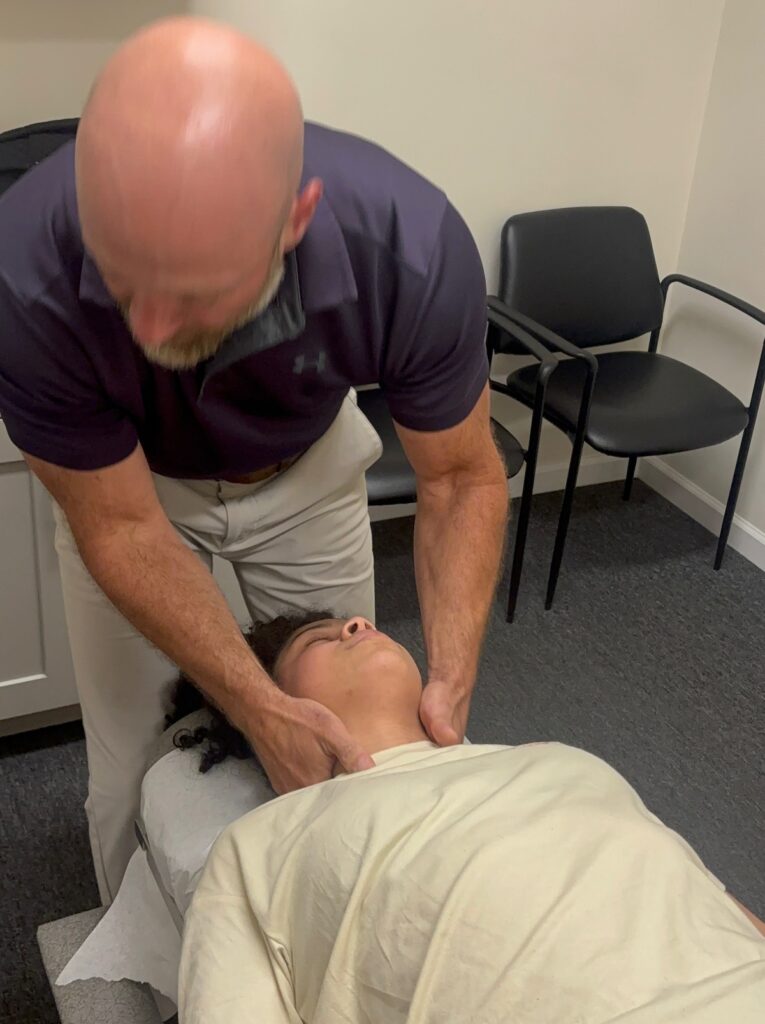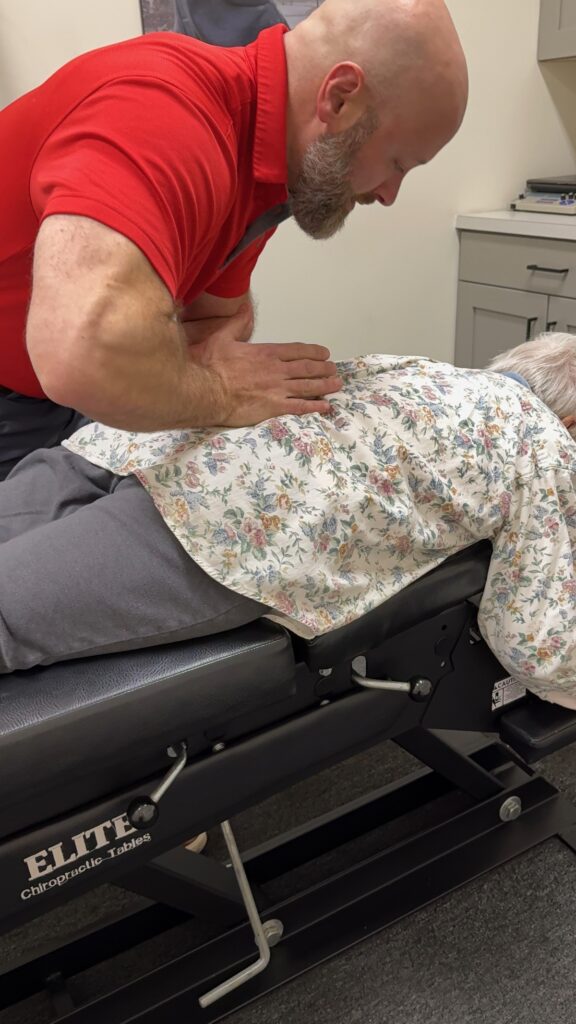

Low back pain is a common issue that many people face, often resulting from factors like poor posture, muscle strain, or even stress. Understanding your symptoms and risk factors is crucial in finding effective treatment options. As a chiropractor, I want to emphasize that chiropractic care is one of the best ways to address low back pain and promote overall wellness.
Chiropractic care focuses on the alignment of your spine and the health of your nervous system. When your spine is in proper alignment, your body can function more efficiently, which can significantly reduce pain and discomfort. By visiting a chiropractor, you can receive personalized adjustments and therapies that cater specifically to your needs.
In addition to professional chiropractic care, there are also simple lifestyle changes you can implement to help manage and alleviate your low back pain. Here are some tips:
- Practice Good Posture: Make a conscious effort to sit and stand with proper alignment. Keep your shoulders back, and avoid slouching as this can put unnecessary strain on your back.
- Stay Active: Engage in regular physical activity, such as walking or stretching. Gentle exercises can help strengthen your back muscles and improve flexibility.
- Use Ergonomic Furniture: If you spend a lot of time sitting, consider using an ergonomic chair that supports your lower back. This can help maintain proper posture throughout the day.
- Apply Heat or Cold: Using a heating pad or ice pack can help reduce inflammation and relieve pain in your lower back.
- Stay Hydrated: Drinking plenty of water helps keep your spinal discs hydrated and healthy, which is essential for maintaining a healthy back.
- Listen to Your Body: If you’re feeling discomfort, don’t ignore it. Pay attention to what your body is telling you and seek help from a chiropractor who can provide the right care.
By focusing on these proactive steps and incorporating chiropractic care into your routine, you can effectively manage and alleviate low back pain while promoting a healthier, more balanced life. Remember, taking care of your spine is taking care of your overall health!
Key Takeaways
Low back pain is a common issue that many people face, often stemming from factors like poor posture, muscle strains, herniated discs, or the natural wear and tear that comes with age. If you’re experiencing dull aches, sharp pains, stiffness, or pain that radiates down your legs, it’s important to seek professional help—especially if these symptoms linger.
As a chiropractor, I want to emphasize that chiropractic care provides a safe, non-invasive approach to treat low back pain. Through spinal adjustments and soft tissue therapies, we can effectively relieve pain and enhance your overall function without the need for medications or surgeries. Our goal is to help you achieve lasting relief and improved mobility.
In addition to chiropractic treatments, there are several proactive steps you can take to manage and prevent low back pain. Regular exercise is key; incorporating core-strengthening routines and flexibility exercises can significantly support your spine and reduce discomfort. Simple activities like walking, yoga, or swimming can also be beneficial.
Moreover, making mindful lifestyle choices can greatly impact your spinal health. Maintaining a healthy weight, utilizing ergonomic furniture, and practicing proper lifting techniques can help protect your back from injury. Remember, small changes in your daily routine can lead to significant improvements in your well-being.
By prioritizing chiropractic care and adopting these healthy habits, you can take charge of your health and work towards a pain-free life. Let’s explore the path to natural healing and optimal wellness together!
Common Causes of Low Back Pain
When it comes to low back pain, there are several common causes that can contribute to discomfort. One of the primary culprits is poor posture. Slouching while sitting or standing can put unnecessary strain on your back muscles, leading to pain over time. It’s important to maintain a straight posture to support your spine effectively.
Muscle strain is another frequent cause of low back pain. This often happens when lifting something heavy or making sudden movements without proper care. To avoid pulling a muscle or injuring yourself, be sure to use your legs to lift, and take your time during physical activities.
Additionally, conditions like herniated discs can cause significant discomfort. A herniated disc occurs when the cushioning between your vertebrae bulges out and presses on nearby nerves. This can lead to pain that radiates down the legs and into the feet. It’s essential to address these issues early on, and chiropractic care can be a fantastic option for relief.
Moreover, being overweight can increase the strain on your spine, leading to low back pain. Maintaining a healthy weight through balanced nutrition and regular exercise can help alleviate this pressure.
Finally, age plays a role in back health; as we get older, our bodies naturally experience wear and tear. Staying active and flexible can help mitigate some of these effects.
Recognizing these causes of low back pain is the first step toward taking proactive measures for your spinal health. Incorporating chiropractic care into your wellness routine can greatly assist in managing pain and promoting overall well-being. Regular adjustments can help align your spine, improve posture, and support your body’s natural healing processes. Remember, taking care of your back is essential for maintaining a healthy lifestyle!
Symptoms and Diagnosis
Low back pain can show up in many different ways, making it important to recognize the symptoms for effective relief and recovery. You may feel a dull ache or a sharp pain, stiffness, or discomfort that can sometimes travel down to your legs. Muscle spasms or a tight feeling in your lower back are also common. You might notice that certain movements, like bending or lifting, make your pain worse.
As a chiropractor, I believe in the power of natural healing and spinal health. When diagnosing low back pain, I start with a careful assessment of your physical condition. I’ll ask about your symptoms, lifestyle, and any recent activities that might’ve contributed to your discomfort. This helps me understand your unique situation.
In many cases, we can manage low back pain effectively through chiropractic adjustments, which align the spine and relieve tension in the surrounding muscles. These adjustments can help restore your body’s natural balance, promoting healing without the need for medications or invasive procedures.
Here are some general tips to help you manage your low back pain:
- Stay Active: Gentle movements and stretches can help maintain flexibility and strength in your back.
- Practice Good Posture: Whether sitting or standing, maintaining proper posture can alleviate strain on your back.
- Use Supportive Furniture: Ensure that your chair and bed provide the right support for your spine.
- Stay Hydrated: Drinking plenty of water supports overall health, including the health of your spinal discs.
- Listen to Your Body: If you feel pain during certain activities, it’s important to modify or avoid them to prevent further injury.
If you’re struggling with low back pain, consider chiropractic care as a natural and effective solution. Early recognition and treatment can lead to better outcomes and a healthier lifestyle. Remember, your wellness journey is important, and taking proactive steps today can lead to a pain-free tomorrow!
Risk Factors for Developing Low Back Pain
Several factors can increase your chances of developing low back pain, and being aware of these can help you take proactive steps to protect your spine. Understanding these risk factors is essential for maintaining a healthy back and overall wellness. Here’s what you should know:
- Age: As we age, our bodies naturally experience wear and tear, especially in the spine. This can lead to an increased likelihood of low back pain. However, chiropractic care can help maintain spinal health and improve mobility, regardless of age.
- Occupation: Jobs that involve heavy lifting, long periods of sitting, or repetitive movements can put a strain on your back. If you work in such an environment, consider incorporating regular chiropractic adjustments into your routine. These adjustments can help relieve tension and improve your posture, reducing the risk of back pain.
- Physical Condition: Weak core muscles or a lack of physical fitness can make your back more susceptible to injury. Emphasizing exercises that strengthen your core and improve flexibility is crucial. Additionally, regular visits to your chiropractor can provide personalized advice on exercises that support spinal health and overall wellness.
General Tips for Back Health:
- Stay Active: Regular physical activity can strengthen your back and core muscles. Aim for a mix of cardiovascular exercise, strength training, and flexibility workouts.
- Practice Good Posture: Whether sitting or standing, maintaining proper posture can help alleviate strain on your back. Be mindful of how you hold your body during daily activities.
- Listen to Your Body: If you feel discomfort, don’t ignore it. Early intervention through chiropractic care can help prevent more severe issues down the line.
- Stay Hydrated: Drinking plenty of water keeps your spinal discs hydrated and healthy.
Lifestyle Changes for Prevention
Making lifestyle changes can significantly lower your risk of developing low back pain, and chiropractic care is a great way to support your journey to optimal health.
Start by maintaining a healthy weight; carrying extra pounds can put unnecessary stress on your spine. Regular exercise is essential—focus on activities that strengthen your core muscles and enhance your flexibility. Simple stretches and low-impact workouts like swimming or walking can work wonders for your back health.
Pay special attention to your posture throughout the day, whether you’re sitting at a desk or lifting heavy objects. Remember to lift with your legs—this protects your back. If you find yourself sitting for long periods, make it a habit to take breaks to stand, walk, and stretch.
Prioritize your sleep as well by investing in a supportive mattress and practicing good sleep hygiene; quality rest is vital for recovery and wellness.
Managing stress is another crucial aspect of preventing low back pain. Incorporate relaxation techniques like mindfulness or yoga into your routine. Stress can lead to muscle tension, which can worsen back pain.
Physical Therapy Techniques
Understanding physical therapy techniques can significantly enhance your journey toward managing and alleviating low back pain. While there are various methods available, incorporating chiropractic care into your routine is one of the most effective ways to promote natural healing, strengthen your body, and enhance overall wellness.
Here are three chiropractic-focused techniques to consider that can help you on your path to optimal health:
- Stretching Exercises: Gentle stretches are essential for relieving tension in your back muscles and improving your flexibility. As a chiropractor, I often recommend specific stretches that not only alleviate discomfort but also prepare your body for adjustments and promote better spinal alignment.
- Strengthening Exercises: Core strength plays a crucial role in supporting your spine. Through chiropractic care, I emphasize exercises that target your abdominal and back muscles, helping to create a strong foundation for your entire body. This strength is vital for maintaining proper posture and reducing the risk of future injuries.
- Manual Therapy: Chiropractic care includes hands-on techniques such as spinal adjustments and soft tissue therapies. These methods help to reduce pain, enhance mobility, and restore balance to your body. Regular chiropractic adjustments can improve your overall function, allowing you to move freely and comfortably.
General Tips for Better Back Health:
- Maintain good posture while sitting and standing.
- Stay active with low-impact exercises like walking or swimming.
- Listen to your body and avoid activities that cause pain.
- Schedule regular chiropractic visits to keep your spine aligned and healthy.
Medication Options for Pain Relief
When low back pain strikes, it’s essential to choose a path that promotes natural healing and overall wellness. As a chiropractor, I believe that chiropractic care is one of the best ways to address pain and support your body’s ability to heal itself. Rather than relying on medications, which can often mask the problem, let’s explore how chiropractic care can help you achieve optimal health and comfort.
Chiropractic adjustments target the root cause of your pain by improving spinal alignment and function. This not only alleviates discomfort but also enhances your body’s natural healing abilities. Many patients find that regular chiropractic visits help them manage pain effectively and prevent future issues.
In addition to chiropractic care, there are several tips you can incorporate into your daily routine to support your back health:
- Maintain Good Posture: Whether you’re sitting at a desk or lifting something heavy, being mindful of your posture can significantly reduce strain on your back.
- Stay Active: Engaging in regular physical activity, such as walking, swimming, or yoga, can strengthen your muscles and improve flexibility, making your back less susceptible to pain.
- Use Heat or Ice: Applying heat or ice packs can help soothe sore muscles and reduce inflammation. Just remember to use each method for about 15-20 minutes at a time.
- Stay Hydrated: Drinking plenty of water is crucial for maintaining the health of your spinal discs and overall body function.
- Practice Stress Relief: Stress can contribute to muscle tension and pain. Techniques like deep breathing, meditation, or gentle stretching can help you relax.
If you’re struggling with low back pain, I encourage you to consider chiropractic care as your primary choice for relief. It not only addresses your current discomfort but also sets the foundation for a healthier, more resilient spine. Together, we can work toward a pain-free life and optimal wellness.
Over-the-Counter Pain Relievers
When it comes to managing low back pain, many people often turn to over-the-counter (OTC) pain relievers as a quick solution. While these medications can provide temporary relief, they don’t address the root cause of the pain. As a chiropractor, I believe that chiropractic care offers a more holistic and effective approach to achieving long-term wellness and pain relief.
Instead of relying solely on medications, consider the following natural strategies to help manage your back pain and promote overall health:
- Chiropractic Adjustments – Regular visits to your chiropractor can help realign your spine, reduce tension, and improve mobility. This hands-on approach addresses the underlying issues contributing to your pain instead of just masking the symptoms.
- Exercise and Stretching – Incorporating gentle exercises and stretches into your daily routine can strengthen your back muscles and improve flexibility. Activities like walking, yoga, or swimming are excellent for maintaining a healthy spine.
- Posture Awareness – Maintaining good posture, whether sitting at a desk or standing, is crucial for preventing and alleviating back pain. Make a conscious effort to keep your spine aligned and avoid slouching.
- Heat and Cold Therapy – Applying heat or cold packs to your back can provide relief from discomfort. Heat helps relax tight muscles, while cold therapy can reduce inflammation.
- Stay Hydrated and Eat Well – A well-balanced diet rich in anti-inflammatory foods can support overall health and help manage pain. Staying hydrated also aids in maintaining the elasticity of your spinal discs.
Remember, while OTC pain relievers may seem convenient, they shouldn’t replace the comprehensive care that chiropractic offers. Always consult with your chiropractor to explore the best treatment options tailored to your individual needs.
Prescription Medications Overview
While many individuals seek relief through natural methods, chiropractic care stands out as a highly effective approach for managing low back pain. Instead of relying on prescription medications that may come with side effects or risks of dependence, consider the benefits of chiropractic adjustments. These treatments focus on aligning the spine and improving overall function, which can lead to significant pain relief and enhanced well-being.
Through gentle manipulations, chiropractors can help reduce pain and inflammation in the back, allowing your body to heal naturally. Additionally, chiropractic care often includes advice on posture, ergonomics, and exercises that can strengthen the muscles supporting your spine and prevent future discomfort.
For those dealing with chronic pain, regular chiropractic visits can be a key part of a holistic wellness plan. Alongside your adjustments, incorporating lifestyle changes such as maintaining an active lifestyle, practicing good ergonomics, and staying hydrated can further enhance your healing journey.
Alternative Pain Management Options
Chiropractic care provides a holistic and natural approach to managing low back pain, focusing on healing the body without the need for medications or invasive procedures.
If you’re seeking relief and a path to optimal health, here are some valuable insights into why chiropractic care is a top choice for pain management:
1. Natural Healing: Chiropractic adjustments target the root cause of pain by aligning the spine and improving nervous system function.
This not only helps alleviate discomfort but also promotes overall wellness.
2. Muscle and Joint Health: Regular chiropractic visits can help relieve muscle tension and improve joint mobility.
This is especially important for those experiencing muscle spasms or stiffness associated with low back pain.
3. Personalized Care: Chiropractors take the time to understand your unique health needs.
By developing a tailored treatment plan, we address your specific pain points, ensuring you receive the most effective care possible.
In addition to chiropractic adjustments, here are some general tips for managing low back pain naturally:
- Stay Active: Engage in gentle exercises like walking or stretching to keep your muscles strong and flexible.
- Practice Good Posture: Pay attention to your posture while sitting, standing, and lifting to prevent strain on your back.
- Apply Heat or Cold: Using a heating pad or ice pack can provide temporary relief and reduce inflammation.
Remember, managing pain effectively is essential for maintaining your quality of life.
Consulting with a chiropractor can help you discover the best natural solutions for your pain relief journey.
Embrace the power of chiropractic care and take a step towards a healthier, pain-free life!
Alternative Therapies: Acupuncture and Chiropractic Care
If you’re seeking relief from low back pain, chiropractic care is your best bet for achieving optimal health and wellness. As a chiropractor, I believe in the power of natural healing through spinal adjustments and alignment. Chiropractic techniques not only target pain but also enhance mobility and overall well-being.
When you visit a chiropractor, we focus on restoring your spine’s proper alignment, which is crucial for your body to function at its best. By gently adjusting your spine, we can relieve tension, improve circulation, and promote healing without the need for medications or surgeries.
In addition to regular chiropractic adjustments, here are some simple tips to help you manage and prevent low back pain:
- Maintain Good Posture: Whether you’re sitting at a desk or lifting objects, keeping your spine aligned can prevent strain.
- Stay Active: Engage in regular physical activity to strengthen your core muscles, which support your back.
- Stretch Regularly: Incorporate stretching into your daily routine to maintain flexibility and reduce tension in your muscles.
- Use Supportive Furniture: Invest in a good chair and mattress that support your spine’s natural curve.
Remember, chiropractic care is about more than just pain relief; it’s about achieving a healthier lifestyle. By choosing chiropractic, you’re opting for a natural approach that prioritizes your health and wellness.
If you’re ready to experience the benefits of chiropractic care, don’t hesitate to reach out and schedule an appointment. Your journey to better health starts here!
Acupuncture Techniques Explained
As a local chiropractor, I want to share some insights into effective ways to manage low back pain naturally. While acupuncture techniques have gained popularity, I believe that chiropractic care stands out as the best choice for achieving optimal health and wellness without the need for medications or invasive procedures.
Chiropractic care focuses on aligning the spine, which can enhance overall body function and promote healing. Here are a few important techniques and ideas you might find helpful in your journey toward a pain-free life:
- Spinal Adjustments: This is the cornerstone of chiropractic care. By gently manipulating the spine, chiropractors can help restore proper alignment, reduce pain, and improve mobility. Regular adjustments can keep your spine healthy and prevent discomfort from returning.
- Soft Tissue Therapy: Chiropractors often use techniques that target muscles and connective tissues to relieve tension and promote healing. This may include massage or stretching, which can effectively reduce muscle tightness and improve overall function.
- Exercise and Rehabilitation: Incorporating specific exercises into your routine can strengthen your back and core muscles, providing better support for your spine. Your chiropractor can guide you on exercises that are safe and effective for your condition.
- Posture Awareness: Maintaining good posture is essential for spinal health. Be mindful of your posture while sitting, standing, or lifting. Small adjustments in your daily habits can make a significant difference in how your back feels.
- Lifestyle Tips: Consider incorporating healthy habits into your daily routine, such as staying hydrated, eating a balanced diet, and getting enough sleep. These factors play a crucial role in your overall well-being and can aid in managing pain.
Chiropractic Adjustments Benefits
Dealing with persistent back pain can be incredibly frustrating, but chiropractic adjustments provide a natural and effective solution that many people find beneficial. These adjustments focus on aligning your spine, which not only alleviates pain but also enhances your overall body function. When your spine is in alignment, your body can heal itself more effectively, reducing tension and discomfort.
Chiropractic care goes beyond just pain relief; it significantly improves your mobility, allowing you to move freely and comfortably without stiffness. Many of my patients have shared that after starting chiropractic adjustments, they feel less dependent on pain medications. This shift leads to a more natural and holistic approach to managing pain, empowering you to take control of your health.
Moreover, regular chiropractic visits can help prevent future issues by maintaining optimal spinal health. It’s about creating a foundation for a healthier life. If you’re looking for a safe, non-invasive method to manage your lower back pain, chiropractic adjustments could be the ideal solution for you.
Here are a few tips to incorporate into your daily routine for better spinal health:
- Maintain Good Posture: Whether sitting at a desk or standing, be mindful of your posture. Keep your back straight, shoulders back, and avoid slumping.
- Stay Active: Engage in regular physical activity, such as walking, stretching, or yoga. This helps keep your muscles strong and your spine flexible.
- Use Ergonomic Furniture: If you spend long hours at a desk, ensure your chair and workstation are set up to support your spine properly.
- Take Breaks: If you’re sitting for extended periods, take short breaks to stand up, stretch, and move around. This will help reduce stiffness and improve circulation.
- Stay Hydrated: Drinking plenty of water supports overall health, including the health of your spinal discs.
Surgical Interventions for Severe Cases
When dealing with severe low back pain, finding effective relief is crucial to restoring your function and improving your quality of life. While some may consider surgical options, it’s important to explore natural and holistic approaches before making such decisions. Chiropractic care is one of the best ways to address low back pain and promote overall wellness.
- Chiropractic Adjustments: A chiropractor uses gentle, targeted adjustments to realign the spine, helping to alleviate pressure on nerves and reduce pain. This method can restore mobility and promote healing without the need for invasive procedures.
- Spinal Decompression: This non-surgical technique gently stretches the spine, creating space between the vertebrae. This can relieve pressure on discs and nerves, providing pain relief and improving function.
- Strengthening Exercises: Incorporating specific exercises into your routine can strengthen the muscles that support your spine, helping to prevent future injuries and reduce pain. Your chiropractor can guide you in creating a tailored exercise plan.
- Lifestyle Modifications: Simple changes in your daily routine, such as maintaining good posture, using ergonomic furniture, and staying active, can significantly decrease low back pain. A chiropractor can offer personalized tips to enhance your everyday life.
Choosing chiropractic care allows you to embrace a natural path to healing, focusing on your body’s innate ability to recover. By working closely with a chiropractor, you can develop a comprehensive plan that addresses not only your pain but also your overall health and wellness.
Consulting with a qualified chiropractor can help you understand your options and empower you to make informed decisions about your health. Remember, optimal health is achievable through natural methods that enhance your body’s function and well-being!
The Role of Exercise in Recovery
Exercise is a crucial element in recovering from low back pain, and as your local chiropractor, I’m here to guide you on this journey to better health. By incorporating strength training, flexibility-enhancing stretches, and gentle aerobic activities, you can improve your overall mobility and support your spine effectively.
Let’s break down how these exercises can help you regain strength and flexibility while promoting natural healing.
- Strength Training: Building a strong core is essential for a healthy back. Focus on exercises that target your abdominal and lower back muscles. Simple moves like bridges, planks, and modified squats can strengthen these areas, providing better support for your spine.
- Stretching for Flexibility: Keeping your muscles flexible can help reduce tension and prevent injury. Gentle stretches for your hamstrings, hip flexors, and lower back can enhance your range of motion. Consider incorporating stretches like the cat-cow stretch or seated forward bends into your routine.
- Aerobic Activities: Engaging in low-impact aerobic exercises, such as walking, swimming, or cycling, can help improve blood flow to your spine and promote healing. Aim for at least 30 minutes of these activities a few times a week to boost your overall health.
- Listen to Your Body: As you begin exercising, pay attention to how your body feels. If something doesn’t feel right, it’s important to stop and consult with your chiropractor. We can help tailor a program that’s perfect for your specific needs.
- Consistency is Key: Establishing a regular exercise routine is vital. Even if you start with just a few minutes a day, gradually increasing your activity level can lead to significant improvements in your strength and flexibility over time.
Remember, chiropractic care plays an essential role in your recovery process. Regular adjustments can help align your spine, reduce pain, and improve your overall function, making it easier for you to engage in the exercises that will help you heal.
Benefits of Strength Training
Strength training can significantly enhance your recovery from low back pain by building muscle strength and improving stability. As a local chiropractor, I believe that incorporating strength training into your routine, alongside regular chiropractic care, can lead to a healthier, pain-free life.
Here are some key benefits of strength training that can complement your chiropractic treatments:
- Improved Core Stability: Strengthening your core muscles supports your spine, which reduces strain and helps prevent further injury. A strong core is essential for maintaining proper alignment, making it easier for your chiropractor to perform adjustments and keep your spine in optimal condition.
- Increased Muscle Endurance: When your muscles have better endurance, you can tackle daily activities without feeling fatigued. This increased stamina allows you to stay active, which is crucial for your overall health and well-being. Staying engaged in physical activities also helps your body heal naturally and reduces reliance on medications.
- Better Posture: Engaging in strength training promotes proper alignment, alleviating pressure on your back and enhancing your overall posture. Good posture not only helps prevent pain but also complements the benefits of chiropractic adjustments, allowing for more effective and long-lasting results.
General Tips:
- Start with basic exercises that target your core and back muscles, such as planks or bridges. Gradually increase the intensity as you build strength.
- Always listen to your body. If an exercise causes pain, stop and consult with your chiropractor for guidance.
- Combine strength training with regular chiropractic visits to ensure your spine is aligned and functioning optimally.
By integrating strength training into your wellness routine and partnering with your chiropractor, you can take significant steps towards a healthier, pain-free life.
Stretching for Flexibility
Incorporating stretching into your routine may seem straightforward, but it plays a vital role in enhancing flexibility and supporting recovery from low back pain.
Regular stretching is a natural way to relieve muscle tension, enhance your range of motion, and promote better posture. When your muscles are flexible, they provide better support for your spine, which helps reduce the risk of injury and discomfort.
To get the most out of your stretching routine, focus on areas like your hamstrings, hip flexors, and lower back. Holding each stretch for 15-30 seconds while taking deep breaths can help you relax even further. Aim to stretch at least three times a week to notice improvements in your flexibility and overall well-being.
Remember, it’s essential to listen to your body; avoid pushing yourself too hard. If you ever feel pain, ease up on the stretch. Consistent stretching not only aids in your recovery but also strengthens your body’s resilience against future discomfort.
As your local chiropractor, I encourage you to consider how chiropractic care can complement your stretching routine. By aligning your spine and ensuring your nervous system functions optimally, you can enhance your body’s natural ability to heal and thrive.
Together, stretching and chiropractic care can help you achieve lasting health and well-being.
Recommended Aerobic Activities
Incorporating aerobic activities into your daily routine can significantly aid in your recovery from low back pain. These exercises not only enhance blood circulation but also help strengthen your muscles and improve your overall well-being.
As a chiropractor, I believe that engaging in these activities can complement your chiropractic care and promote natural healing. Here are three recommended aerobic activities to consider:
- Walking: This is one of the simplest and most accessible forms of exercise. Walking is low-impact, making it easy on your back, and you can adjust your pace to what feels comfortable for you. Aim for 30 minutes a day. It’s a great way to get moving without overdoing it.
- Swimming: If you have access to a pool, swimming is an excellent choice. The buoyancy of the water supports your body, relieving strain on your back while providing a fantastic cardiovascular workout. It’s gentle on your joints and allows you to exercise without putting pressure on your spine.
- Cycling: Whether you choose a stationary bike or prefer cycling outdoors, this activity can help strengthen your legs and core without putting excessive stress on your back. It’s a fun way to get your heart rate up while enjoying the fresh air.
In addition to these activities, remember to listen to your body. If something doesn’t feel right, it’s important to stop and consult with your chiropractor.
Regular chiropractic adjustments can further enhance your recovery by ensuring your spine is properly aligned, allowing your body to function optimally. Together with these aerobic exercises, chiropractic care can help you achieve a healthier, pain-free life.
When to Seek Professional Help
Knowing when to seek professional help for low back pain is crucial for your recovery and overall well-being. If your pain lingers for more than a few weeks or gets worse over time, it’s a good idea to consult a chiropractor. We specialize in understanding the spine and can provide tailored care to help you find relief.
Be aware of specific symptoms that could signal a need for professional evaluation. If you experience sharp, shooting pain down your legs, numbness, or weakness, don’t hesitate to reach out to a chiropractor. These symptoms may indicate underlying issues that we can help address naturally.
It’s also important to seek care if you notice any changes in bowel or bladder control or if your pain started after an injury. If your low back pain comes with fever, unexplained weight loss, or persistent discomfort that interferes with your daily activities, getting a professional opinion is essential.
Chiropractic care can be a powerful ally in your recovery journey. Early intervention not only helps prevent complications but can also speed up your healing process. Listen to your body; it’s sending you signals that deserve attention. By choosing chiropractic care, you can enhance your quality of life through natural healing methods that focus on spinal health and overall wellness.
Conclusion
To summarize, understanding low back pain is crucial for discovering effective, natural treatment options. By recognizing the common causes and symptoms, you can make informed lifestyle changes and explore therapies that focus on healing your body naturally. Chiropractic care is a powerful option when it comes to alleviating pain and promoting overall wellness. Our approach emphasizes the importance of spinal health, which plays a vital role in your body’s function and well-being.
In addition to regular chiropractic adjustments, staying active through gentle exercises can significantly aid in your recovery. Simple activities like walking, stretching, and core-strengthening exercises can help support your spine and reduce discomfort. Remember, consistency is key!
If your symptoms worsen or you notice concerning signs, it’s always best to consult with a chiropractor who can provide personalized care and guidance. Your health and well-being are our top priorities! Embrace chiropractic care as a natural way to find relief and achieve optimal health—your body will thank you for it!