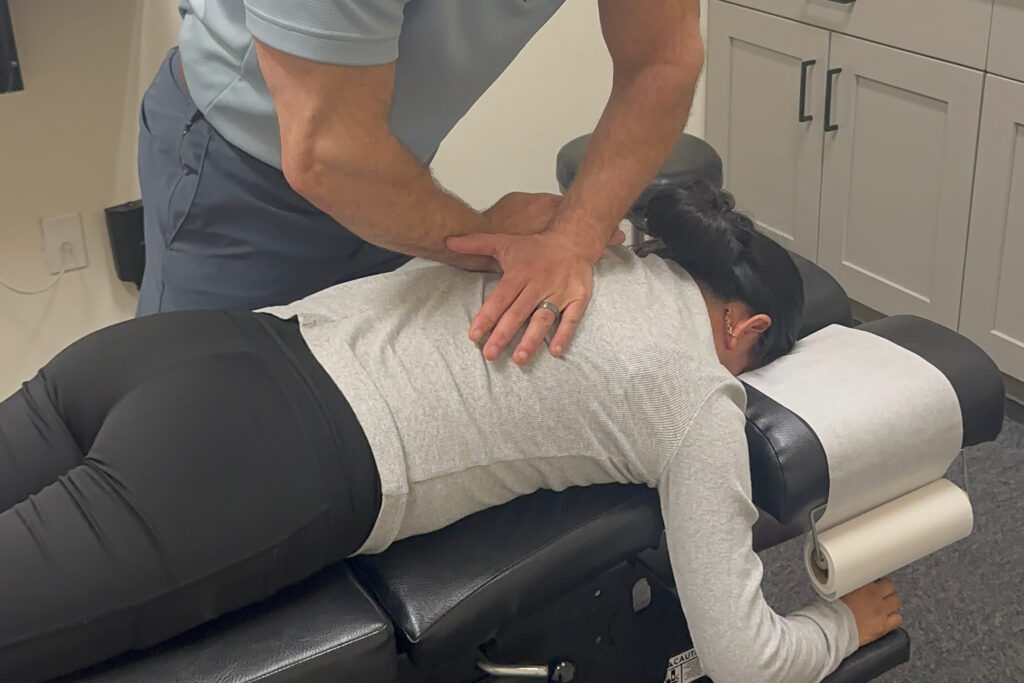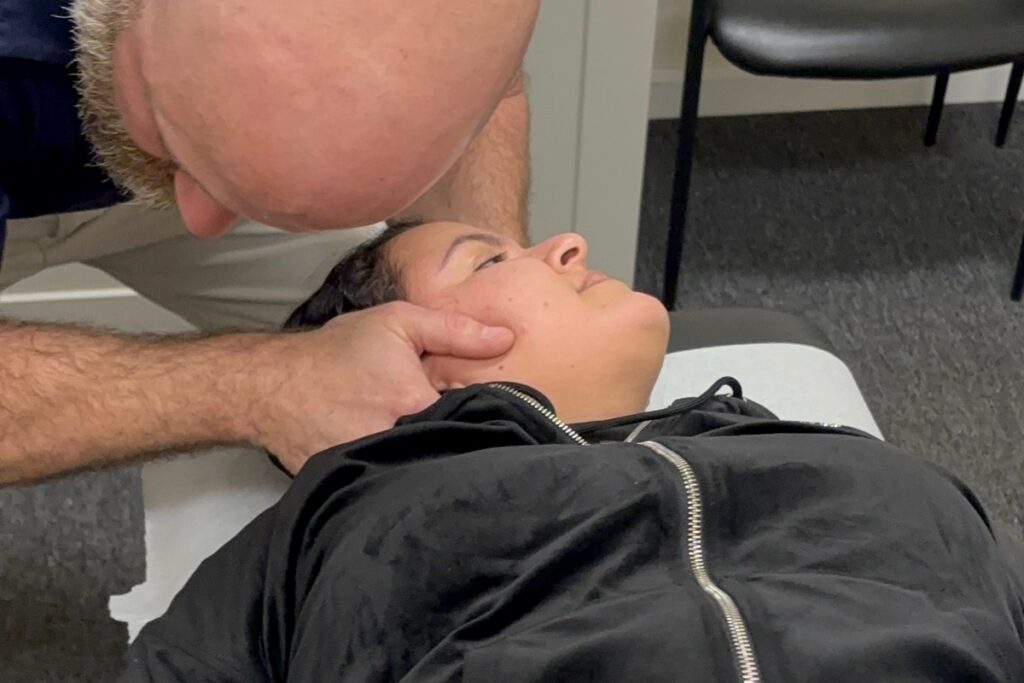

If you’re tired of relying on medication for headache relief, exploring natural solutions through chiropractic care might be your best next step. By understanding your personal triggers and making simple lifestyle adjustments, you can significantly reduce the frequency and intensity of headaches.
Chiropractic care focuses on the alignment of the spine, which can play a crucial role in alleviating headache pain. Misalignments in the spine can lead to tension and stress in the surrounding muscles and nerves, often resulting in headaches. Regular chiropractic adjustments can help restore proper alignment, allowing your body to heal naturally.
In addition to chiropractic adjustments, consider these holistic strategies:
- Stay Hydrated: Dehydration is a common headache trigger. Aim to drink plenty of water throughout the day to keep your body well-hydrated.
- Practice Good Posture: Poor posture can strain your neck and back, contributing to headaches. Make a conscious effort to sit and stand up straight, especially when working at a desk.
- Incorporate Mindfulness Techniques: Stress is a significant contributor to headaches. Techniques such as deep breathing, meditation, or yoga can help reduce stress and promote relaxation.
- Maintain a Balanced Diet: Certain foods can trigger headaches, while others can provide relief. Try to identify any dietary triggers and focus on a balanced diet rich in fruits, vegetables, and whole grains.
- Get Regular Exercise: Physical activity can improve circulation and reduce stress, helping to prevent headaches. Aim for at least 30 minutes of moderate exercise most days of the week.
By integrating these natural approaches into your routine and prioritizing chiropractic care, you can take significant steps toward preventing headaches and achieving optimal health. Remember, your body has an incredible ability to heal itself, and with the right support, you can find relief and improve your overall wellness.
Key Takeaways
Unlocking Natural Solutions for Headache Prevention
- Start by keeping a headache diary. This can help you pinpoint your personal triggers related to stress, sleep, and dietary habits, allowing you to tailor your prevention strategies effectively. Understanding these patterns is key to managing headaches without relying on medications.
- Staying properly hydrated is essential. Aim for at least eight 8-ounce glasses of water daily and include hydrating foods like cucumbers and watermelon in your diet. Dehydration can often lead to headaches, so make hydration a priority.
- Consider incorporating natural remedies such as peppermint oil and ginger into your daily routine. These herbs can provide relief from headache symptoms without the need for pharmaceuticals.
- Prioritize quality sleep by maintaining a consistent sleep schedule. Creating a dark, quiet, and cool environment can significantly reduce headache occurrences. Good spinal alignment during sleep can also enhance restfulness, so consider your pillow and mattress choice.
- Regular physical activity is a great way to reduce tension and improve overall well-being. Activities like yoga or deep breathing can be particularly beneficial. Not only do they help relax your mind and body, but they can also promote proper spinal alignment, which is critical for preventing headaches.
- Lastly, remember that chiropractic care is a powerful tool in managing headaches. Regular adjustments can help align your spine, relieve tension, and improve your overall health. By addressing the root cause of headaches through chiropractic treatment, you can achieve lasting relief and enhance your quality of life.
Understanding Headache Triggers
Headaches can arise from many different sources, but identifying your specific triggers is crucial for effective prevention and relief. As a chiropractor, I recommend starting with a headache diary to record when your headaches occur and any potential factors that may contribute to them. This can help you discover patterns related to stress, sleep, or changes in your daily routine.
You might find that certain activities, such as spending too much time on screens or being exposed to loud noises, can lead to discomfort. Environmental factors play a significant role as well. Bright lights or strong smells may trigger headaches for some people. By noting these triggers, you can work to reduce your exposure to them.
Additionally, factors like hormonal changes, dehydration, and a lack of physical activity can also contribute to headaches. Recognizing these elements empowers you to take proactive steps to avoid them. Chiropractic care can be a powerful ally in managing headaches. Regular adjustments can help align your spine, reduce tension, and improve overall nervous system function, which may lead to fewer headaches over time.
Alongside chiropractic treatments, consider incorporating healthy habits into your lifestyle. Stay hydrated, prioritize sleep, and engage in regular physical activity to support your body’s natural healing processes. By understanding your unique headache triggers and utilizing chiropractic care, you can implement effective lifestyle changes that promote better well-being and reduce the frequency of headaches.
Keep experimenting with different strategies until you find what works best for you, and remember that chiropractic care can provide lasting relief and contribute to a healthier, pain-free life.
Dietary Changes for Headache Relief
When it comes to finding relief from headaches, the foods and drinks you consume can have a significant impact on your well-being. As a chiropractor, I often emphasize the importance of a holistic approach to health, which includes proper nutrition alongside spinal care. Staying hydrated is crucial—making sure you drink plenty of water throughout the day can help reduce headache frequency and intensity.
Additionally, it’s wise to be mindful of certain trigger foods that may exacerbate your discomfort. Common culprits include processed foods, excessive caffeine, and artificial sweeteners. By avoiding these, you can create a healthier diet that supports your overall wellness and complements your chiropractic care.
Incorporating fresh fruits, vegetables, whole grains, and lean proteins into your meals can also contribute to better health and potentially lessen headache occurrences. Remember, the goal is to nourish your body, which in turn supports your spine and overall function.
If you’re experiencing persistent headaches, consider scheduling an appointment for a chiropractic evaluation. A healthy spine is key to a healthy body, and spinal adjustments can enhance your body’s ability to heal naturally.
Together, let’s explore how a combination of proper nutrition and chiropractic care can lead you toward optimal health and relief from headaches.
Hydration and Headaches
Staying properly hydrated is crucial for maintaining overall health and wellness, and it can play a significant role in preventing headaches. As a chiropractor, I often see patients who experience headaches due to dehydration. Even mild dehydration can lead to discomfort, and you mightn’t even realize how much water your body truly needs until those headaches start to kick in.
Making hydration a priority in your daily routine can be a simple yet effective way to reduce the risk of headaches and promote a healthier spine.
Here are some easy tips to help you stay hydrated:
- Aim for at least eight 8-ounce glasses of water daily. This is a great starting point, but listen to your body, as individual needs may vary.
- Incorporate hydrating foods into your meals. Fruits and vegetables like cucumbers, watermelon, and oranges not only provide hydration but also contain essential vitamins and minerals that support overall wellness.
- Keep an eye on your urine color; pale yellow usually indicates that you’re adequately hydrated. If it’s darker, consider increasing your water intake.
Remember, proper hydration is just one piece of the puzzle when it comes to achieving optimal health.
Regular chiropractic care can also help address any underlying issues that may contribute to headaches. By aligning your spine and optimizing your nervous system function, chiropractic adjustments can enhance your body’s natural ability to heal and maintain balance.
Trigger Foods to Avoid
Identifying and avoiding trigger foods can be a vital part of managing headaches, which can often be tied to spinal health and overall well-being. Common culprits include aged cheeses, processed meats, and foods with MSG. Additionally, you might want to be cautious with chocolate, alcohol, and caffeine, as these can lead to headaches for some individuals.
Keeping a food diary can be a helpful tool for tracking which foods might be affecting you. By noting how different foods impact your body and your headaches, you can begin to identify specific triggers. I recommend eliminating one potential trigger at a time to see if it leads to improvement in your symptoms.
It’s important to remember that everyone’s body reacts differently; what triggers a headache for one person may not have the same effect on you. By being mindful of your food choices, you’re not only taking charge of your diet but also promoting a healthier spine and overall wellness.
In addition to monitoring your diet, incorporating regular chiropractic care can help alleviate headache pain and improve your overall health. Chiropractic adjustments can enhance spinal alignment, which may reduce tension and stress that contribute to headaches.
Herbal Remedies to Consider
Headaches can be quite disruptive, but there are natural, holistic approaches you can consider for relief. As a chiropractor, I believe that maintaining spinal health is crucial for overall wellness, and addressing spinal alignment can often help alleviate headache pain.
In addition to chiropractic adjustments, many individuals find comfort in herbal remedies. Here are a few options that could complement your wellness routine:
– Peppermint: This refreshing herb is known for its cooling properties. Applying diluted peppermint oil to your temples can create a soothing effect and may help alleviate tension headaches.
Remember, maintaining a relaxed posture during your day can also minimize tension in your neck and shoulders.
– Ginger: This powerful root isn’t only delicious but also has anti-inflammatory properties. Drinking ginger tea or incorporating ginger into your meals can help reduce headache symptoms.
Staying well-hydrated and eating a balanced diet supports your overall health and can also play a role in managing headaches.
– Feverfew: Traditionally used for headache relief, feverfew may help reduce the frequency of migraines. Regular use, alongside maintaining a healthy spine through chiropractic care, could lead to fewer headache occurrences.
While these herbal remedies can be beneficial, remember that they should complement a proactive approach to your health, which includes regular chiropractic adjustments.
Proper spinal alignment can help relieve pressure on nerves and improve overall function, potentially reducing the frequency and intensity of headaches.
Always consult with a healthcare professional before starting any new treatment, and consider visiting your chiropractor regularly to ensure your spine is in optimal alignment for your health and wellness journey.
The Power of Hydration
Staying hydrated is crucial not just for preventing headaches, but for your overall health and wellness. Even mild dehydration can lead to discomfort, and you mightn’t realize how much the water you drink each day impacts your body and spine.
As a chiropractor, I understand the importance of maintaining optimal hydration for both your physical health and spinal function.
When your body is properly hydrated, it helps to keep your spinal discs healthy, supports joint lubrication, and can reduce tension in your muscles, which may alleviate discomfort.
Let’s delve into the effects of dehydration and some simple tips to ensure you’re drinking enough water daily.
- Listen to Your Body: Pay attention to signs of dehydration such as dry mouth, fatigue, or dizziness. These can be indicators that your body needs more water.
- Set Reminders: It can be easy to forget to drink water throughout your busy day. Try setting reminders on your phone or using a water-tracking app to help you stay on top of your hydration goals.
- Infuse Your Water: If you find plain water boring, consider adding slices of fruits or herbs like lemon, cucumber, or mint for a flavor boost. This can make drinking water more enjoyable.
- Carry a Water Bottle: Keeping a reusable water bottle with you at all times makes it easier to sip throughout the day, especially if you’re on the go.
- Incorporate Hydrating Foods: Foods like cucumbers, watermelon, and oranges can also contribute to your hydration levels. Including these in your diet is a tasty way to stay hydrated.
Remember, adequate hydration is a key component of a healthy lifestyle and can significantly support your journey to pain relief and natural wellness through chiropractic care.
Importance of Water Intake
Maintaining proper hydration is vital for overall health and can play a significant role in preventing headaches. Even mild dehydration can lead to discomfort, so it’s essential to keep your water intake up. By doing so, you not only support your body’s functions but also reduce the chances of developing headaches.
Here are some important benefits to staying hydrated, especially in relation to your spinal health and overall wellness:
- Enhanced Cognitive Function: Staying hydrated helps keep your mind clear and focused. This can reduce stress and tension in your body, which often contribute to headaches. A clear mind can also help you be more aware of your posture, which is crucial for spinal health.
- Improved Mood: Proper hydration can positively influence your mood. When you’re well-hydrated, you’re less likely to feel irritable or stressed—two common triggers for headaches. A balanced mood can lead to a more relaxed body, which is essential for maintaining spinal alignment.
- Optimal Physical Performance: Hydration is key to ensuring your body functions at its best. When you’re well-hydrated, you’re likely to feel more energetic and less fatigued. This can help you engage in physical activities that promote a healthy spine, like stretching and exercise, and reduce the likelihood of tension headaches.
To support your hydration efforts, consider these simple tips:
- Carry a water bottle with you throughout the day to remind yourself to drink regularly.
- Set hydration goals, such as drinking a specific amount of water by noon.
- Incorporate hydrating foods into your diet, like fruits and vegetables, which can also contribute to your overall wellness.
Effects of Dehydration
Dehydration can sneak up on you and lead to a range of unpleasant effects that might not be immediately obvious. While thirst is a common sign, it’s important to recognize that dehydration can impact your overall well-being in more serious ways. For instance, headaches are a frequent symptom as your spine and nervous system may not function optimally without adequate hydration. You might also find yourself feeling fatigued, dizzy, or even experiencing mood swings. Staying aware of these signs is crucial for maintaining your health.
As a chiropractor, I want to emphasize that hydration plays a vital role in spinal health and overall wellness. When your body is hydrated, it can better support your spine, helping to reduce discomfort and tension that may lead to pain. Here are some common symptoms of dehydration, along with simple actions you can take to stay hydrated and promote your health:
| Symptom | Description | Action Needed |
|---|---|---|
| Headaches | Pain in the head due to lack of water | Increase your water intake throughout the day. Consider keeping a water bottle with you to remind yourself to sip regularly. |
| Fatigue | Feeling tired and sluggish | Hydrate regularly to maintain your energy levels. Pair hydration with gentle stretches to keep your spine aligned and energized. |
| Dizziness | Lightheadedness from dehydration | Drink fluids quickly, and take a moment to breathe deeply and realign your posture to help stabilize your body. |
Hydration Tips and Tricks
How can you seamlessly incorporate hydration into your daily routine? Staying hydrated is essential for your overall health and wellness, and it can be an effortless part of your day. Here are some simple strategies to help you increase your water intake and support your body’s natural healing processes:
- Set reminders: Use your phone or smartwatch to prompt you to drink water at consistent intervals throughout the day. Staying hydrated can help maintain proper spinal health and reduce discomfort.
- Flavor your water: Make drinking water more enjoyable by adding slices of fruits, herbs, or a splash of natural juice. Staying hydrated can enhance your energy levels, which is crucial for maintaining an active lifestyle that supports your spinal health.
- Carry a reusable bottle: Keep a water bottle with you at all times. This makes it easier to sip throughout the day, ensuring you meet your hydration needs. Proper hydration is key to supporting your body’s natural healing processes, which can help alleviate pain and improve overall wellness.
Mindfulness and Relaxation Techniques
Headaches can often feel overwhelming, but there are effective ways to manage and reduce their frequency and intensity through natural methods, including chiropractic care. A holistic approach to health often provides the best results. Incorporating mindfulness and relaxation techniques into your daily routine can complement chiropractic adjustments and enhance overall wellness.
Start by dedicating just a few minutes each day to deep breathing exercises. Inhale slowly through your nose, hold for a moment, and then exhale gently through your mouth. This simple practice not only calms your mind but also helps release tension in your body, which can be especially beneficial if your headaches stem from stress or muscle tightness.
In addition to breathing exercises, consider integrating chiropractic care into your wellness routine. Regular adjustments can help align your spine, relieve pressure on nerves, and alleviate tension that may contribute to headaches. A chiropractor can also provide personalized strategies to support your overall health and manage pain naturally.
Yoga and gentle stretching can also promote relaxation and improve spinal health. These practices enhance flexibility and release tension in the muscles surrounding your spine. If you’re new to yoga, don’t worry—there are many resources available, including beginner classes and online videos.
Another effective technique is progressive muscle relaxation. This involves tensing and then relaxing each muscle group, starting from your toes and working up to your head. This method not only relaxes your muscles but can also help you become more aware of areas where you hold tension, which is vital for maintaining optimal health.
Finally, don’t underestimate the benefits of spending time in nature. Taking walks outdoors and focusing on the sights and sounds around you can ground you and alleviate stress. This connection to nature is a simple yet powerful way to improve your mental state and reduce the likelihood of headaches.
The Role of Sleep in Headache Prevention
Sleep is a vital component in preventing headaches, yet it’s often overlooked when we talk about overall wellness. When you skimp on quality sleep, your body can respond negatively, leading to more frequent and intense headaches. By prioritizing restorative sleep, you significantly lower your chances of dealing with headaches.
As a chiropractor, I understand the importance of a healthy lifestyle that includes proper sleep. Here are some practical tips to enhance your sleep quality and support headache prevention:
- Establish a Consistent Sleep Routine: Try to go to bed and wake up at the same time every day. This helps keep your body’s internal clock in sync, which can improve your sleep quality and overall well-being.
- Create an Ideal Sleep Environment: Make your bedroom a sanctuary for sleep. Keep it dark, quiet, and cool to foster relaxation and minimize interruptions. Consider using blackout curtains or white noise machines if necessary.
- Limit Stimulants Before Bed: Be mindful of your consumption of caffeine and screen time before sleep. Reducing these can help you fall asleep more easily and improve the quality of your rest.
Additionally, regular chiropractic care can also play a role in reducing headache frequency. Aligning your spine through gentle adjustments can relieve tension and improve your nervous system function, which may contribute to better sleep and headache relief.
By incorporating these strategies into your daily routine, you can take significant steps towards achieving optimal health and a headache-free life.
Physical Activity and Its Benefits
Engaging in regular physical activity is crucial for your overall health and can significantly aid in headache prevention. As a chiropractor, I want to emphasize that exercise not only reduces stress and improves circulation, but it also promotes the release of endorphins, which can alleviate headache symptoms naturally. Simple activities like brisk walking, cycling, or yoga can make a big difference. The key is to find an activity you enjoy, as this will help keep you motivated and consistent.
Here’s a quick look at how different types of physical activity can benefit you in preventing headaches:
| Type of Activity | Benefits for Headache Prevention | Duration Recommendation |
|---|---|---|
| Aerobic Exercise | Reduces stress and anxiety | Aim for 30 minutes, 5 days a week |
| Strength Training | Builds muscle, supports better posture | Try 2-3 times a week |
| Flexibility Exercises | Improves range of motion | Incorporate daily, 10-15 minutes |
| Mind-Body Activities (e.g., Yoga) | Promotes relaxation | Practice for 30 minutes, 3 times a week |
In addition to these activities, consider incorporating chiropractic care into your wellness routine. Regular adjustments can help align your spine, reduce tension, and improve your overall physical function, making it easier to engage in physical activity and ultimately leading to fewer headaches.
Creating a Headache-Friendly Environment
Creating a headache-friendly environment is essential for reducing the frequency and intensity of headaches, and it can complement your chiropractic care. By making simple adjustments in your surroundings, you can create a space that encourages relaxation and minimizes headache triggers.
Here are some practical tips to help you foster a more comfortable environment:
- Control Lighting: Choose soft, natural light whenever possible. Bright or flickering lights can strain your eyes, which may lead to headaches. Consider using lamps with warm bulbs or curtains that diffuse sunlight.
- Reduce Noise: A calm atmosphere is vital for headache relief. Minimize background noise by using soundproofing materials or a white noise machine. This can create a peaceful space that supports your overall wellness.
- Maintain Clean Air: Fresh air is crucial for your health. Ensure proper ventilation in your space, and consider using air purifiers to improve air quality. Clean air can help alleviate headache symptoms and enhance your comfort.
By implementing these strategies, you can improve your environment and support your chiropractic care.
These changes can lead to better management of headache episodes, allowing you to enjoy a more balanced and peaceful life.
Conclusion
By embracing natural solutions for headache prevention, you can take control of your well-being and enhance your overall health. As a chiropractor, I believe that chiropractic care plays a vital role in addressing the root causes of headaches, helping you find relief without the need for medications or surgeries.
Start by tracking your headache triggers. Keeping a journal can help you identify patterns related to food, stress, or environmental factors. Simple dietary changes, such as incorporating more whole foods and staying hydrated, can make a significant difference in your overall health and headache frequency.
Prioritizing hydration and ensuring you get quality sleep are essential components of headache prevention. A well-rested body is better equipped to handle stress and physical tension, which can lead to headaches.
Incorporate mindfulness practices, such as deep breathing or meditation, to help manage stress levels. Regular physical activity, especially gentle exercises like yoga or walking, can also support your spinal health and overall wellness.
Remember, creating a headache-friendly environment is crucial. Maintain good posture, especially if you work at a desk, and consider regular chiropractic adjustments to keep your spine aligned and functioning optimally. These adjustments can alleviate tension that may contribute to headaches.
With these strategies, including the benefits of chiropractic care, you can access a healthier, headache-free life. Embrace these natural approaches, and take a proactive step towards achieving your wellness goals.