
If you're dealing with back pain, know that you're not alone—many individuals face this challenge at some stage in their lives. As a chiropractor, I want to help you uncover the root causes of your discomfort and discuss effective strategies that can truly make a difference in your daily life.
One of the first steps is to focus on your posture. Many people underestimate the impact that proper alignment can have on their overall well-being. Additionally, integrating core-strengthening exercises into your routine can significantly alleviate strain on your back. These adjustments don't require drastic lifestyle changes; sometimes, small tweaks can lead to remarkable improvements.
However, managing back pain goes beyond physical adjustments. It's vital to understand various pain management techniques that can complement chiropractic care. Learning when to seek professional help is also crucial—early intervention can often prevent further complications.
What if I told you that the solution to your back pain might be simpler than you imagine? Through natural healing methods and a tailored chiropractic approach, we can work together to restore your body's balance and vitality. Let's explore these options and find the path to your relief.
Understanding Back Pain Causes
As a local chiropractor, I want to help you understand the various causes of back pain and how we can work together to manage or prevent it naturally. One of the most common culprits of back pain is muscle strain, often caused by lifting heavy objects or making sudden movements. Many people don't realize that improper lifting techniques can put significant stress on your back muscles, leading to discomfort.
In addition to muscle strain, injuries from falls or accidents can lead to acute back pain. This type of pain can persist if not addressed properly. It's crucial to listen to your body after an injury; lingering pain might be a sign that something more serious is going on.
There are also underlying medical conditions that can contribute to back pain, such as arthritis, herniated discs, or spinal stenosis. If you're experiencing ongoing discomfort, I encourage you to consult with a healthcare professional. A thorough assessment can lead to an accurate diagnosis and a tailored treatment plan that may include chiropractic care.
Another factor that we often overlook is our lifestyle. A sedentary lifestyle, characterized by long hours of sitting, can weaken your back muscles. This weakness can lead to strain when you finally do engage in physical activity. By incorporating regular movement into your daily routine, we can strengthen those muscles and significantly reduce the risk of back pain.
Lastly, I want to highlight the impact of emotional stress on our physical health. Stress can manifest as tension in your back, contributing to discomfort. Adopting effective stress management techniques can alleviate this tension.
Importance of Posture
As a local chiropractor, I want to emphasize the vital role posture plays in maintaining your spinal health.
Many people may not realize that adopting the right sitting techniques can significantly alleviate back pain and enhance your overall comfort during daily activities.
By making a few simple adjustments to your posture, you can experience profound benefits for your spine and overall well-being.
Let's delve into how these small changes can lead to a healthier, pain-free life.
Correct Sitting Techniques
As a local chiropractor, I often see patients who come in with complaints of back pain, many of whom are unaware of how their sitting habits contribute to their discomfort. Your sitting posture is crucial for your overall comfort and health, and it can significantly impact your spine and nervous system.
To help alleviate back pain, it's essential to adopt correct sitting techniques. First, ensure that your chair provides proper support for your lower back. Adjust its height so that your feet rest flat on the floor or on a footrest, with your knees aligned at or just below hip level. This setup helps maintain the natural curve of your spine.
When you sit, aim to keep your back straight and shoulders relaxed. Avoid leaning forward or hunching over your keyboard, as this can create unnecessary tension in your back and neck. It's also important to position your computer screen at eye level to prevent tilting your head down or straining your neck.
In addition to proper posture, I encourage you to take regular breaks to stand, stretch, and move around. These brief intervals can reset your posture and relieve any built-up tension, ultimately supporting your spine's health.
By incorporating a supportive chair, maintaining proper alignment, and remembering to take breaks, you can greatly reduce discomfort. Implementing these techniques in your daily routine will help you create a more ergonomic workspace.
Not only will this promote better posture, but it will also assist in combating that persistent back pain. If you're unsure about how to set up your workspace or if you're experiencing pain, don't hesitate to reach out for a consultation. Together, we can work towards a healthier, pain-free life.
Impact on Spinal Health
As a local chiropractor, I want to emphasize the critical importance of proper posture in supporting your spinal health. Many people underestimate how much their daily habits can affect their spine. When you slouch or adopt awkward positions, it creates unnecessary pressure on your spinal structure, which can lead to discomfort and pain over time.
Good posture is all about alignment. When your body is positioned correctly, your spine can maintain its natural curves, which reduces strain on your muscles and ligaments. This is vital for preventing a range of issues that can develop from poor posture.
I encourage you to be mindful of your posture throughout the day. For example, when sitting, ensure your feet are flat on the floor, your back is straight, and your shoulders are relaxed. This alignment helps distribute your weight evenly, significantly lowering the chances of developing chronic pain.
Standing with intention is equally important. Visualizing a string pulling you up from the crown of your head can help you engage your core muscles and align your spine effectively. By incorporating posture awareness into your daily life, you can't only prevent future injuries but also alleviate any existing discomfort.
Making these adjustments is a simple way to protect your spine and enhance your overall well-being. As your chiropractor, I'm here to support you in this journey.
Effective Stretching Techniques
As a local chiropractor dedicated to helping patients understand the benefits of chiropractic care and natural healing, I want to emphasize the importance of incorporating effective stretching techniques into your daily routine to alleviate back pain.
Stretching is a fundamental practice that enhances flexibility, improves blood circulation, and alleviates muscle tension—all crucial elements in reducing discomfort in your back.
Let's begin with the cat-cow stretch, a fantastic way to mobilize your spine. Get into a position on your hands and knees, ensuring your wrists are directly beneath your shoulders and your knees are under your hips. As you inhale, arch your back and let your belly drop toward the floor in the cow position.
Then, as you exhale, round your spine and tuck your chin to your chest for the cat position. Repeat this sequence for 5 to 10 cycles to effectively release any tension.
Next, I recommend the child's pose. Kneel on the floor, bringing your big toes together and sitting back on your heels. Extend your arms forward on the ground and gently lower your torso between your thighs.
Hold this stretch for 30 seconds to a minute, paying close attention to your breath as you relax into the position.
Another beneficial stretch is the seated forward bend. Sit down with your legs extended straight in front of you. Inhale deeply, lengthening your spine, and as you exhale, hinge at your hips to reach toward your toes.
Remember, it's perfectly fine if you can't reach your toes—just go as far as is comfortable for you. Hold this position for 30 seconds to encourage flexibility.
Lastly, don't forget to try the standing side stretch. Stand tall, raise your right arm overhead, and lean to the left, savoring the stretch along your right side. Switch sides and repeat.
These stretches aren't only effective in easing back pain but also play a vital role in enhancing your overall flexibility and well-being.
Incorporating these simple stretches into your routine can greatly complement the care you receive here at our chiropractic practice, allowing for a more holistic approach to your health and healing.
Strengthening Your Core
As a local chiropractor, I want to emphasize the importance of strengthening your core for overall health and well-being. A strong core is essential not just for stability, but also for reducing back pain, which is something many of my patients experience.
When your core muscles are robust, they provide vital support to your spine, which helps improve your posture and can alleviate discomfort you may be feeling.
Let's take a moment to explore some effective core exercises that I often recommend in the practice. These exercises not only help you build strength, but they also play a crucial role in enhancing your body's natural ability to heal and maintain proper alignment.
Importance of Core Stability
As a local chiropractor, I want to emphasize the critical role that core stability plays in your overall back health. Your core muscles—those in your abdomen, hips, and lower back—serve as the foundation of support for your spine. When these muscles are strong and work together effectively, they help to distribute the load during everyday activities, which can significantly reduce unnecessary strain on your back. This means a lower risk of injuries and chronic pain.
If your core is weak, other muscles, particularly in your lower back, may try to compensate for that lack of support. This compensation can create muscle imbalances and place extra stress on your spine, often leading to discomfort and pain. That's why prioritizing core stability is essential for both preventing and alleviating back pain.
Additionally, having a stable core can enhance your overall functional movement. Whether you're lifting, bending, or simply sitting, a strong core allows for improved control and balance, which can help you avoid awkward movements that might result in injury.
It also contributes significantly to good posture. Maintaining proper posture can prevent strain on your back, ultimately supporting a healthier spine.
As you consider your health and well-being, remember that strengthening your core isn't just about fitness; it's a vital component of natural healing and chiropractic care. Let's work together to maintain your core stability, which can lead to a more resilient and pain-free back.
Effective Core Exercises
As a local chiropractor, I want to emphasize the importance of building a strong core as a foundation for your overall health. A robust core contributes significantly to stability and can help alleviate back pain, which many of my patients experience.
One of the best places to start is with planks. This exercise activates multiple muscle groups simultaneously, promoting strength and endurance. I recommend holding a plank position for about 30 seconds, and as you gain strength, you can gradually increase this duration.
Next, let's talk about bridges. This exercise is excellent for your glutes and lower back. To perform a bridge, lie on your back with your knees bent and feet flat on the floor. Lift your hips towards the ceiling while squeezing your glutes at the top. Hold this position for a few seconds before lowering back down. Aim for three sets of 10-15 repetitions to start feeling the benefits.
Another effective exercise is the bird-dog, which not only enhances core stability but also improves balance and coordination. Begin on all fours and extend one arm and the opposite leg simultaneously. Hold for a few seconds, then switch sides. This movement can help strengthen your core while promoting better body awareness.
Lastly, I encourage you to incorporate dead bugs into your routine. Lie on your back with your arms pointing towards the ceiling and your knees bent at a 90-degree angle. Lower one arm and the opposite leg towards the floor, then return to the starting position. This exercise can be done in three sets of 10 repetitions and is fantastic for engaging your core muscles.
Pain Management Strategies
As a local chiropractor, I want to share some effective strategies for managing back pain that can significantly improve your quality of life. Many people are unaware of how chiropractic care and natural healing methods can play a key role in alleviating discomfort.
First, let's talk about pain relief. Over-the-counter medications like ibuprofen and acetaminophen can help reduce inflammation and ease pain. However, it's essential to follow the recommended dosages and consult with your healthcare provider if you have any questions or concerns about these medications.
Another effective approach is the application of heat or cold to the affected area. Using a heating pad or a warm towel can help relax tight muscles, while an ice pack can numb sharp pain and reduce swelling. Alternating between heat and cold therapy can provide even greater relief.
Good posture is crucial in preventing and managing back pain. I encourage you to pay attention to how you sit, stand, and lift objects. Adjusting your workstation to incorporate ergonomic furniture and practicing proper lifting techniques can significantly reduce strain on your back and promote better alignment.
Regular physical activity is also vital. Engaging in low-impact exercises, such as walking or swimming, not only strengthens your back but also keeps your muscles flexible. Movement is essential for overall spinal health and can help diminish pain over time.
In addition to physical approaches, consider implementing mindfulness techniques like deep breathing exercises or meditation. These practices can assist in managing your pain perception and reducing stress, which is often a contributing factor to back pain.
Lastly, I encourage you to seek personalized advice from a healthcare professional, such as a chiropractor. We can assess your unique situation and recommend tailored treatments, exercises, and natural therapies that suit your needs.
Alternative Therapies
As a local chiropractor, I want to share how alternative therapies can be an essential part of your back pain management strategy. Many patients are often surprised to learn how these natural approaches can complement traditional treatments, helping to alleviate discomfort and enhance overall well-being.
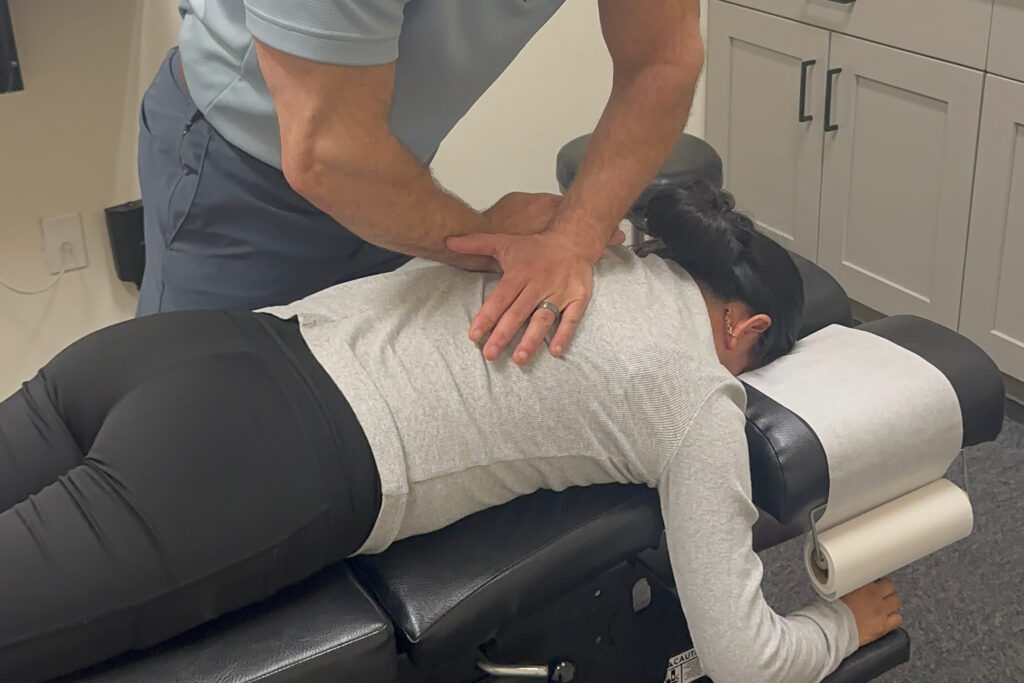
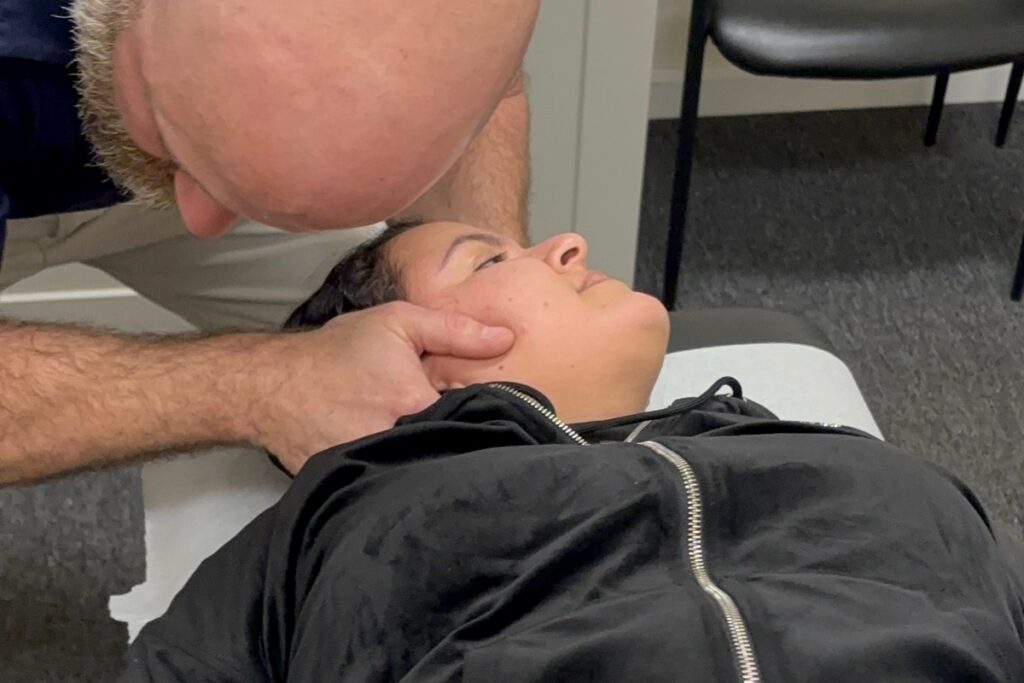
One of the most effective methods we use in our practice is spinal manipulation, a cornerstone of chiropractic care. Through gentle manual adjustments, we focus on realigning the spine, which can relieve tension and reduce pain. Regular chiropractic visits not only target immediate discomfort but also promote better posture and improved mobility over time.
In addition to spinal adjustments, I encourage my patients to explore complementary practices such as yoga and Pilates. These activities are wonderful for strengthening back muscles and improving flexibility. By emphasizing core strength and mindful movement, they can help prevent future injuries and aid in pain reduction.
Plus, the breathing techniques taught in these practices can foster relaxation and help manage stress.
Another valuable therapy to consider is massage. Therapeutic massages can significantly relieve muscle tension and boost circulation, creating an environment where your body can heal more effectively. Many of my patients report that incorporating regular massage sessions into their routine leads to not just immediate relief but also lasting comfort.
I also recommend looking into herbal remedies and dietary supplements, such as turmeric or omega-3 fatty acids, which are known for their anti-inflammatory properties. However, it's crucial to consult with a healthcare professional before starting any new supplement to ensure it's appropriate for your individual needs.
By embracing these alternative therapies alongside chiropractic care, you can take proactive steps towards managing your back pain more effectively and enhancing your overall quality of life.
When to Seek Professional Help
As a local chiropractor, I want to emphasize the importance of recognizing when to seek professional help for back pain. While many people experience mild discomfort that can often be managed with rest or home remedies, there are specific signs that indicate it's time to consult a healthcare provider like myself.
If your back pain lingers for more than a few days or intensifies despite your efforts to alleviate it, please don't hesitate to reach out for guidance. It's important to listen to your body; persistent pain is often a signal that something more significant may be at play.
Be especially vigilant if your back pain is accompanied by symptoms such as fever, unexplained weight loss, or issues with your bowel and bladder. These could point to a more serious underlying condition that requires prompt attention.
Additionally, if you're experiencing numbness, tingling, or weakness in your legs, these are signs that you should seek help immediately, as they may indicate nerve compression or damage.
Don't overlook pain that disrupts your daily activities or prevents you from enjoying your favorite hobbies. As a chiropractor, I can provide a thorough assessment, accurate diagnosis, and tailored treatment options that focus on natural healing and restoring your body's balance.
If your pain follows an injury or trauma, such as a fall or accident, it's crucial to get evaluated as soon as possible. Delaying treatment could lead to complications or prolonged discomfort.
Conclusion
As a local chiropractor, I want to help you understand how you can alleviate your back pain naturally. By recognizing the root causes of your discomfort and focusing on maintaining proper posture, you can significantly enhance your overall comfort. I encourage you to incorporate effective stretching and core-strengthening exercises into your routine, as these will help improve your stability and support your spine.
In addition to these practices, exploring pain management strategies and alternative therapies can provide you with further relief. It's important to remember that if your pain continues or intensifies, seeking professional assistance is crucial. By taking these proactive steps, you can work towards a healthier back and ultimately enjoy a better quality of life. You have the power to find your relief, and I'm here to guide you on this journey!