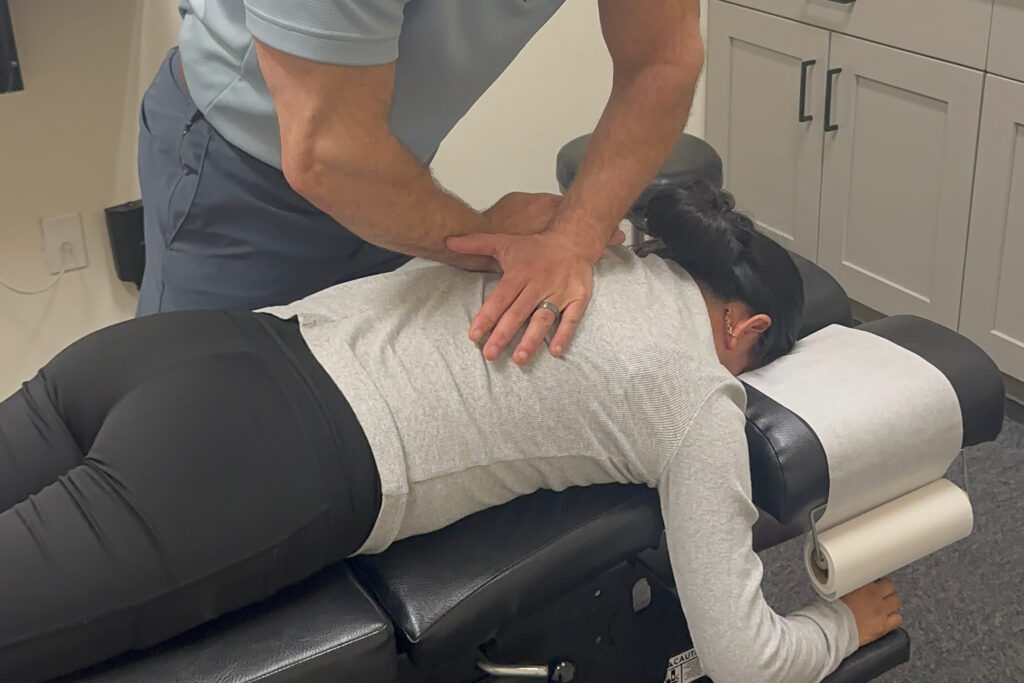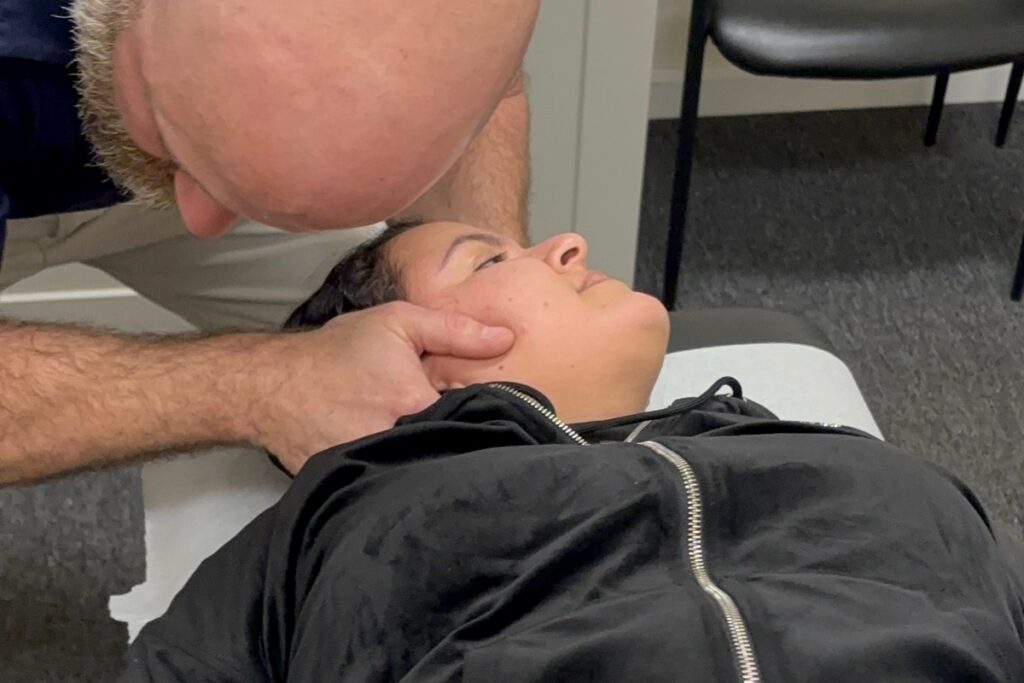

As a local Chiropractor, I understand that managing chronic pain can often feel overwhelming for many of my patients. However, I want to assure you that there are natural options available that can significantly ease your discomfort. By integrating practices like mindfulness and gentle exercise into your routine, you can begin to reclaim your quality of life.
Chiropractic care, in particular, is one effective remedy that may surprise you with its potential benefits. It focuses on aligning the spine and improving overall body function, which can play a crucial role in pain management. Alongside chiropractic adjustments, there are various therapies and lifestyle changes that can work harmoniously to enhance your well-being.
If you’re interested in discovering how these methods can work together to support your healing journey, let’s take a closer look at seven approaches that could truly make a difference in managing your chronic pain naturally.
Practice Mindfulness and Meditation
As your local chiropractor, I want to introduce you to the powerful benefits of mindfulness and meditation in managing chronic pain. Many of my patients have found that by integrating these practices into their daily routines, they can significantly lessen their perception of discomfort.
When you focus on the present moment, you’re able to redirect your attention away from pain and instead cultivate a sense of calm and relaxation.
Mindfulness and meditation encourage you to observe your thoughts and feelings without judgment. This non-reactive awareness can be incredibly helpful in managing pain more effectively.
I encourage you to start with just a few minutes each day. Find a quiet space where you can sit comfortably. Close your eyes, take deep, slow breaths, and focus on your breath or perhaps a calming mantra.
When thoughts of discomfort arise, acknowledge them, but gently guide your focus back to your breath or mantra.
Incorporating regular mindfulness and meditation into your routine can create a mental space where pain feels less overwhelming.
As you develop this practice, you may notice an increase in your emotional resilience, making it easier to cope with chronic pain.
I invite you to embrace this journey and discover how mindfulness can transform your relationship with pain, complementing the chiropractic care I provide for your overall well-being.
Incorporate Gentle Exercise
As a local chiropractor, I want to emphasize the significant role that gentle exercise can play in managing chronic pain and enhancing your overall well-being. Engaging in activities such as walking, swimming, or tai chi can greatly improve your flexibility and strength, all while ensuring you don’t overexert yourself.
It’s essential to start slow and listen to your body—sometimes even a brief, 10-minute session can yield noticeable benefits. Regular movement promotes increased blood flow, which is vital for healing and alleviating stiffness.
You may also notice an improvement in your mood, as gentle exercises encourage the release of endorphins, which can help counteract the emotional challenges that often accompany chronic pain.
I encourage you to consider joining a class or partnering with a workout buddy to keep you motivated and accountable. Consistency is crucial, so aim for a few sessions each week.
However, it’s always wise to consult with your healthcare provider—or, in my case, your chiropractor—before embarking on any new exercise program, especially if you have specific limitations or health concerns.
Explore Herbal Remedies
As a local chiropractor dedicated to helping my patients achieve optimal health, I want to introduce you to the idea of using herbal remedies for managing chronic pain.
Many people are unaware that nature offers a variety of herbs that can effectively reduce pain without the side effects often associated with pharmaceuticals.
It’s important to remember that while these herbs can be beneficial, understanding their safety and the appropriate dosage is crucial.
Here are some effective herbal options that you might consider incorporating into your pain management regimen, along with tips on how to use them wisely.
By exploring these natural remedies, we can work together to find the best approach for your individual needs and enhance your overall well-being.
Let’s take a look at some of these herbal choices and how they can complement your chiropractic care.
Popular Herbal Options
As a local chiropractor, I want to share some insights into natural healing methods, particularly herbal remedies that can assist in managing chronic pain. Many of my patients have found relief through these options, and I believe they can complement your overall wellness journey.
For instance, turmeric is renowned for its anti-inflammatory properties, making it a popular choice for those dealing with pain. Ginger is another powerful herb that can help ease muscle discomfort. You might also consider willow bark; it has been used for centuries and is often compared to aspirin for its pain-relieving effects.
Capsicum, which comes from chili peppers, is interesting because it may block pain signals, potentially offering another layer of relief. Additionally, boswellia is an herb known for supporting joint health and reducing inflammation, making it beneficial for those with arthritis or other joint issues.
If you’re dealing with nerve pain, St. John’s Wort could be worth exploring. It’s believed to enhance mood while also alleviating discomfort.
Keep in mind that everyone’s body reacts differently to herbal remedies, so it’s essential to find what works best for you.
At our practice, we emphasize a holistic approach to health, and incorporating these herbal options can be a valuable part of your pain management strategy.
Always feel free to discuss these remedies with me, as I’m here to help you navigate your path to wellness through chiropractic care and natural healing.
Safety and Dosage Tips
As a chiropractor dedicated to your overall well-being, I want to emphasize the importance of safety and proper dosage when considering herbal remedies for your health.
Before you explore these natural options, it’s crucial to have a conversation with your healthcare provider, particularly if you’re currently taking any medications. Some herbs can interfere with pharmaceutical treatments, leading to unwanted side effects or diminishing their effectiveness.
When starting with herbal remedies, I recommend beginning with a low dose to see how your body responds. This approach allows you to monitor any changes—both positive and negative—so you can adjust as necessary.
It’s also wise to consult reliable resources for dosage guidelines, as these can differ significantly between products.
Additionally, the quality of the herbs you select is paramount. Choose supplements from reputable brands that have undergone third-party testing to ensure their safety and efficacy.
By following these steps, you’ll be better equipped to incorporate herbal remedies into your chronic pain management strategy safely and effectively.
Utilize Heat and Cold Therapy
As a local chiropractor, I understand that managing chronic pain can often feel daunting. One effective approach I encourage my patients to consider is the use of heat and cold therapy. This method can provide significant relief for many individuals dealing with discomfort.
Heat therapy is a great option for soothing sore muscles and enhancing blood flow. Utilizing heating pads or enjoying a warm bath can help relax tight muscles and ease tension. I recommend applying heat for about 15-20 minutes at a time, and it’s important to protect your skin by using a cloth barrier to avoid burns.
Conversely, cold therapy, which includes ice packs or cold compresses, is excellent for reducing inflammation and numbing sharp pain. For this method, I suggest using cold therapy for 10-15 minutes at a time to prevent any skin damage. Many patients find that alternating between heat and cold therapies can provide a balanced approach to pain relief.
Always pay attention to how your body responds. If you notice that either heat or cold worsens your pain, it’s best to stop using that method and reach out to me or another healthcare professional.
Integrating heat and cold therapy into your daily routine could lead to a noticeable reduction in your chronic pain levels, allowing you to enjoy a better quality of life. Remember, I’m here to guide you through these natural healing methods!
Maintain a Balanced Diet
As a local chiropractor, I want to emphasize the importance of a balanced diet in managing chronic pain. The right nutrients play a crucial role in your overall health and can significantly influence how you feel. I encourage you to include a variety of fruits, vegetables, whole grains, lean proteins, and healthy fats in your meals.
These foods are packed with essential vitamins and minerals that can help reduce inflammation and strengthen your immune system. For instance, omega-3 fatty acids, which are abundant in fish, flaxseeds, and walnuts, are particularly effective due to their anti-inflammatory properties.
Staying well-hydrated is also vital; adequate water intake can help prevent discomfort that arises from dehydration.
It’s equally important to be mindful of what you limit in your diet. Processed foods, excessive sugar, and high salt intake can exacerbate inflammation and contribute to pain. I often recommend keeping a food diary to track your meals and identify any specific foods that may trigger discomfort.
Prioritize Sleep Hygiene
As a chiropractor dedicated to helping you manage chronic pain, I want to emphasize the importance of prioritizing sleep hygiene. Quality sleep is crucial for your overall well-being and can have a significant impact on how you feel each day.
First, it’s essential to establish a consistent sleep schedule. Try to go to bed and wake up at the same time each day; this helps regulate your body’s internal clock. Creating a calming bedtime routine can also signal to your body that it’s time to unwind.
Your sleep environment plays a vital role in promoting restful sleep. Aim to keep your bedroom dark, quiet, and cool. This can enhance your sleep quality and help your body recover overnight.
It’s also advisable to avoid screens at least an hour before bedtime. The blue light emitted from devices can interfere with your ability to fall asleep, making it harder for you to get the rest you need.
Be mindful of your evening habits as well. Limiting caffeine and heavy meals in the hours leading up to bedtime can prevent disruptions in your sleep patterns.
If you find yourself tossing and turning, gentle stretching or relaxation techniques, such as deep breathing, can help ease tension and prepare your body for sleep.
By incorporating these practices into your routine, you’re likely to notice improvements in your sleep quality, which can ultimately help in managing your chronic pain symptoms.
Consider Acupuncture and Massage Therapy
Have you explored the natural healing benefits of chiropractic care, alongside acupuncture and massage therapy, in managing chronic pain? These holistic practices can provide significant relief without the adverse effects often associated with medications.
Chiropractic care focuses on the alignment of your spine and musculoskeletal system. By addressing misalignments, we can help restore proper function and alleviate pain, enhancing your body’s natural healing abilities. Research supports that chiropractic adjustments can lead to reduced pain levels and improved overall well-being.
Acupuncture complements chiropractic treatment by utilizing thin needles to stimulate specific points in your body, promoting healing and reducing pain. It can be particularly effective for managing chronic pain conditions.
Massage therapy also plays a vital role in pain management. By manipulating muscles and soft tissues, massage enhances circulation, reduces tension, and promotes relaxation. This can significantly contribute to your overall pain relief strategy.
When combined, these therapies can be remarkably effective. You may find that chiropractic adjustments help improve spinal function while acupuncture and massage therapy target muscle tightness and promote relaxation.
If you’re looking for natural solutions to manage your pain, considering these therapies could be a transformative step in your healing journey.
Conclusion
As a local chiropractor dedicated to your health and well-being, I want to share how you can manage chronic pain naturally through a few simple lifestyle adjustments. It’s important to understand that pain relief doesn’t always have to come from medication. By embracing mindfulness practices, engaging in gentle exercises, and exploring herbal remedies, you can better manage your discomfort.
In my practice, I often recommend utilizing both heat and cold therapy to alleviate pain and inflammation. Additionally, maintaining a balanced diet can play a significant role in your overall health and pain management. Prioritizing good sleep hygiene is crucial, as restorative sleep can enhance your body’s healing processes.
Furthermore, treatments like acupuncture and massage therapy can complement chiropractic care, enhancing your overall wellness and aiding in pain relief. Remember, everyone’s journey is unique, so it’s essential to discover what works best for you. Together, we can create a holistic approach that not only addresses your pain but also supports your path toward a more comfortable and fulfilling life.