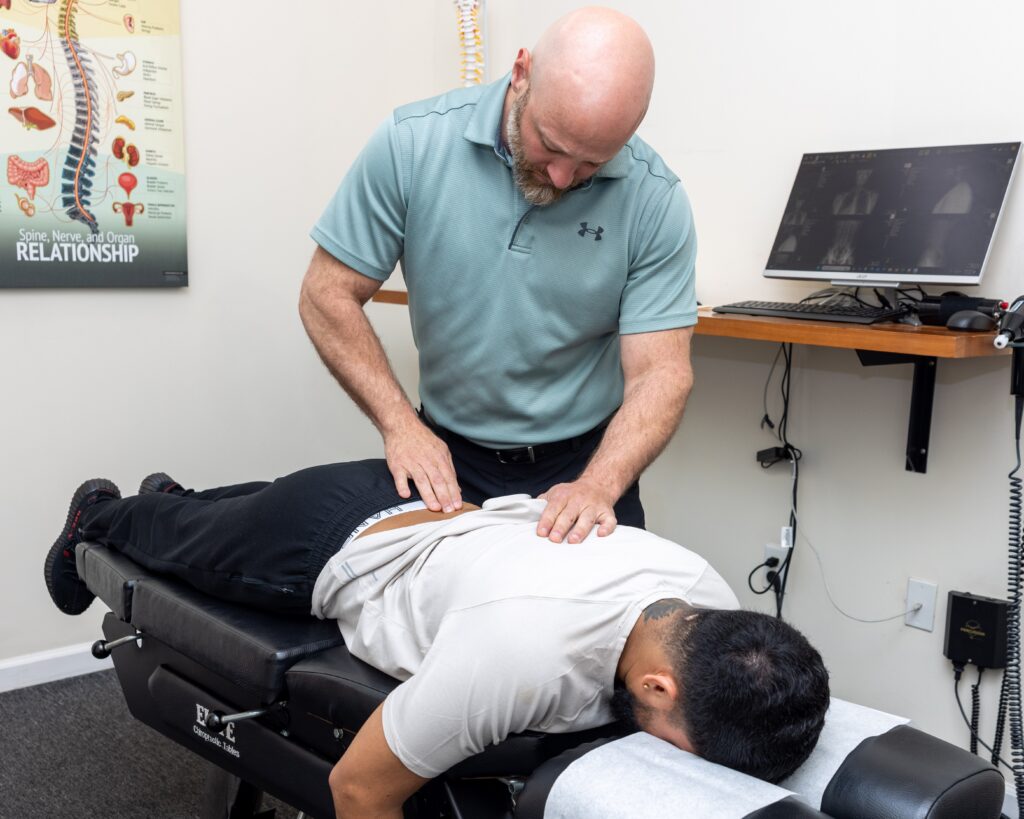

If you’ve ever felt a sharp, burning pain shoot from your lower back down through your leg, you already know how disruptive sciatica can be. It can make sitting at your desk uncomfortable, disrupt your sleep, and turn everyday activities like walking or bending into a real challenge. Sciatica is one of the most common complaints we see here at Fanwood Back Relief Center in Fanwood, NJ, and the good news is that it’s a condition that often responds very well to conservative, non-invasive care. Understanding what sciatica actually is — and what your options are — can make a meaningful difference in how you move forward.
What Is Sciatica?
Sciatica refers to pain that travels along the path of the sciatic nerve, which runs from the lower back through the hips and buttocks and down each leg. It typically affects one side of the body and can range from a mild ache to a sharp, burning sensation. Sciatica is not a diagnosis on its own — it’s a symptom of an underlying issue affecting the sciatic nerve or its roots.
Understanding the Sciatic Nerve
The sciatic nerve is the longest and widest nerve in the human body. It originates from several nerve roots in the lumbar spine — roughly the L4 through S3 levels — and travels through the pelvis, into the buttocks, and down the back of each leg, all the way to the foot. Because it covers such a wide area, when something irritates or compresses this nerve, the pain can travel a long distance and show up in unexpected places.
What makes sciatica particularly frustrating is how varied it can feel. Some people describe it as a deep, dull ache. Others experience a sharp, electric-shock-like sensation. Some feel tingling or numbness rather than pain. The location of discomfort can shift depending on where along the nerve the irritation is occurring. This is part of why a thorough evaluation — including a physical exam and sometimes X-rays — is so important when sciatica first appears.
At Fanwood Back Relief Center, Dr. Eric Chludzinski takes time to understand where a patient’s pain is coming from before recommending any course of care. The sciatic nerve’s complexity means that a personalized approach will almost always be more effective than a one-size-fits-all solution.
Common Causes of Sciatica
Sciatica doesn’t happen without a reason. There is always an underlying structural issue that puts pressure on or irritates the sciatic nerve roots. Understanding the cause is critical, because it directly shapes how the condition is best managed.
One of the most frequent culprits is a herniated or bulging disc in the lumbar spine. The discs between your vertebrae act as shock absorbers, and when the inner material of a disc pushes outward, it can press against nearby nerve roots. When this happens in the lower back, the sciatic nerve is often the one affected. Disc issues can develop gradually over time from repetitive stress, or they can happen more suddenly with a specific movement or injury.
Another common cause is spinal stenosis, a narrowing of the spinal canal that can place pressure on the nerves running through it. This is particularly common in older adults and often develops gradually. Piriformis syndrome is another frequently overlooked contributor — the piriformis muscle sits deep in the buttock and, when tight or irritated, can compress the sciatic nerve as it passes nearby. Degenerative changes in the lumbar spine, joint dysfunction, and even pregnancy-related postural shifts can also trigger sciatic symptoms. Here in Fanwood and Flemington, NJ, we often see patients who have been on their feet all day at work or sitting for long hours at a desk, and these lifestyle factors can absolutely set the stage for sciatica to develop.
Signs and Symptoms to Watch For
Sciatica has a fairly recognizable pattern, though it doesn’t always present the same way in every person. The hallmark symptom is pain that travels from the lower back or buttock down through the back of the thigh, and potentially into the calf or foot. This radiating quality is what sets it apart from general low back pain that stays localized.
Beyond pain, people with sciatica commonly experience numbness or tingling in the leg or foot. Some describe a weakness in the affected leg that makes it harder to move normally. The pain may worsen with prolonged sitting, coughing, sneezing, or bending forward. In some cases, there’s relief when lying down or walking gently — though this varies quite a bit from person to person.
It’s worth noting that sciatica typically affects only one side of the body at a time. If you’re experiencing symptoms on both sides simultaneously, or if you’re noticing any loss of bladder or bowel control, those are signs that require immediate medical attention. Dr. Eric Chludzinski and the team at Fanwood Back Relief Center always screen for these red flags to make sure patients are guided toward the right type of care.
How Chiropractic Care Fits In
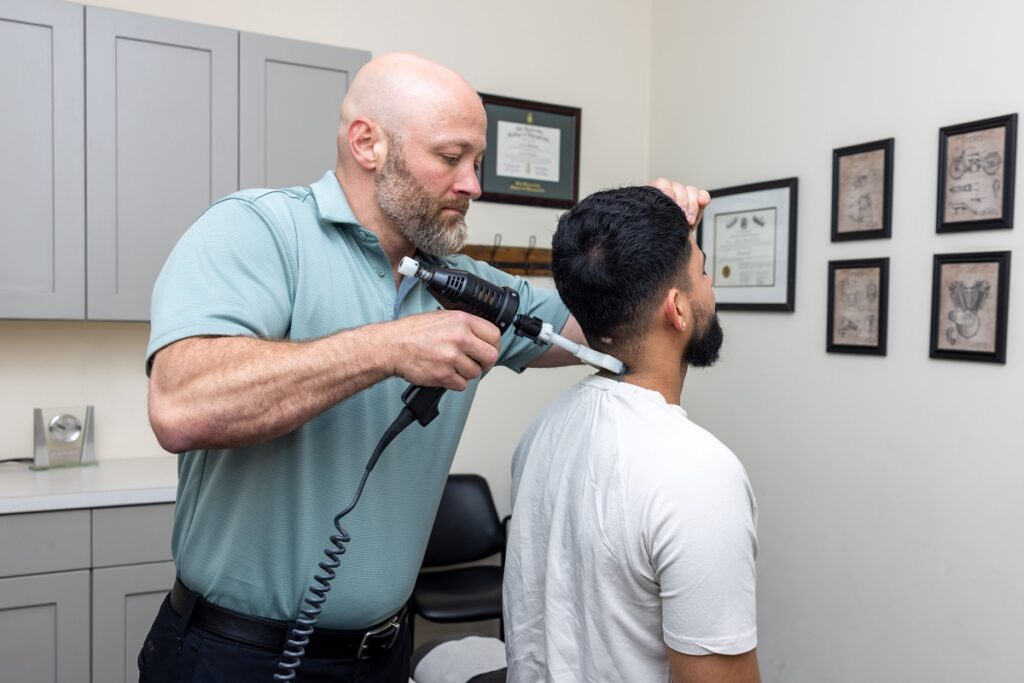
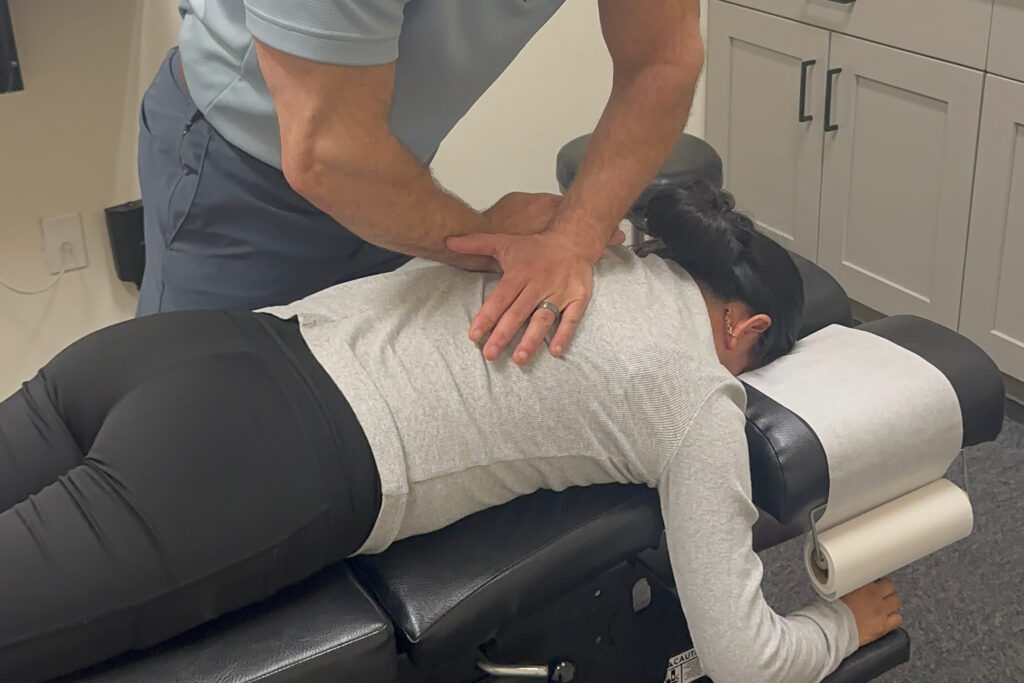
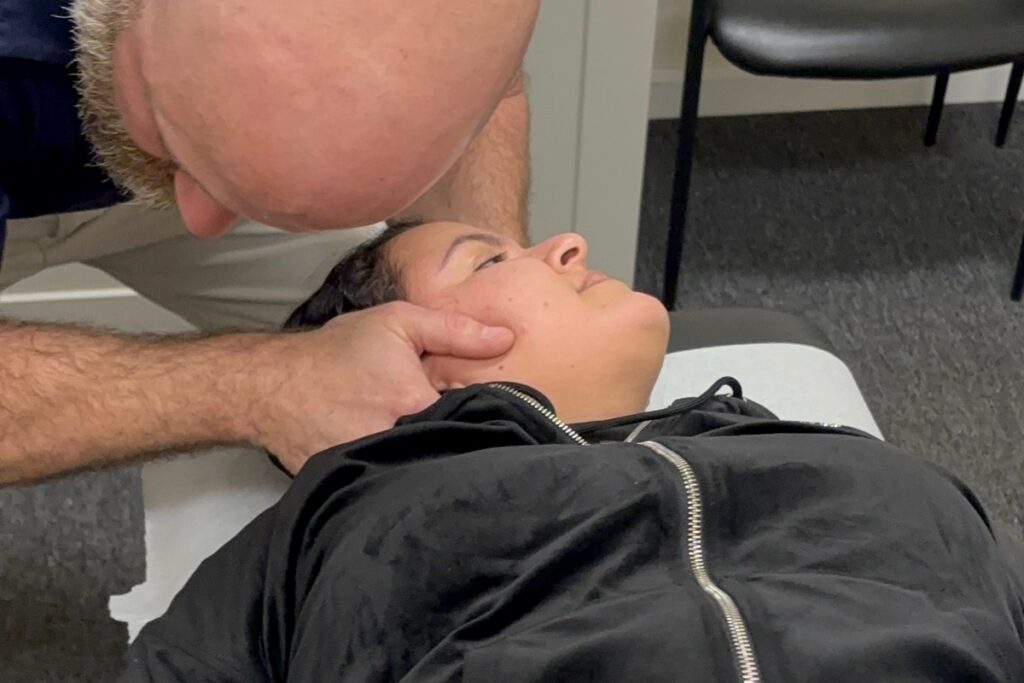
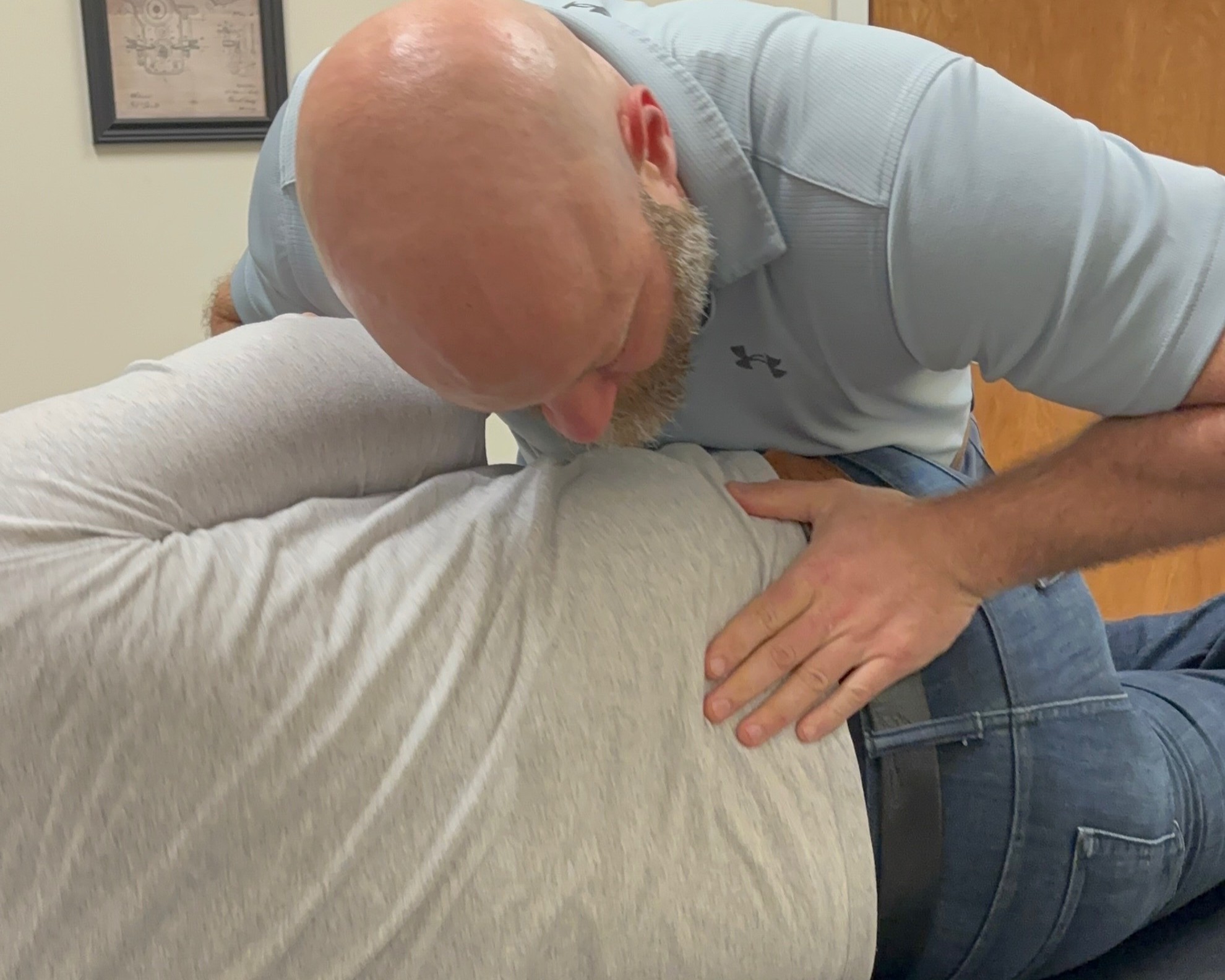
Chiropractic care is widely recognized as one of the most effective conservative approaches for managing sciatica. Because sciatica often involves irritation or compression of the sciatic nerve due to dysfunction in the lower spine, chiropractic adjustments are designed to restore proper spinal alignment and joint mobility, helping reduce stress on affected nerves without relying on medication or surgery.
Manual chiropractic adjustments focus on improving the movement and function of the lumbar spine and pelvis. When spinal joints are not moving properly, they can contribute to inflammation, muscle tension, and nerve irritation that may lead to pain radiating into the hip, buttock, or leg. By restoring normal joint mechanics, chiropractic adjustments may help reduce pressure on the sciatic nerve, improve mobility, and support the body’s natural healing processes. Research has shown that conservative care, including chiropractic treatment, can be beneficial for many individuals experiencing low back pain with associated leg symptoms, and organizations such as the American College of Physicians recommend conservative treatment as a first-line approach before considering more invasive options.
At Fanwood Back Relief Center, Dr. Eric Chludzinski provides personalized chiropractic care based on a thorough evaluation of each patient’s symptoms, medical history, and spinal function. Every case of sciatica is different, which is why treatment plans are tailored to the individual’s specific needs rather than following a one-size-fits-all approach. The goal is not only to help relieve current discomfort but also to improve spinal function, restore healthy movement, and reduce the likelihood of future flare-ups through ongoing chiropractic care.
By addressing the underlying spinal dysfunction contributing to sciatic nerve irritation, chiropractic adjustments can help many patients return to their normal daily activities with greater comfort and confidence while supporting their long-term spinal health.
Practical Tips for Managing Sciatica at Home
While professional care is an important part of recovery, there are also things you can do at home to support your healing and reduce the severity of your symptoms. These aren’t meant to replace a professional evaluation — they’re habits and awareness tools that complement good chiropractic care.
Movement is one of the best things you can do. Long periods of sitting can significantly worsen sciatic pain by increasing pressure on the lumbar discs and tightening the piriformis muscle. If your job requires a lot of desk time, make it a habit to stand, walk, or gently stretch every 30 to 45 minutes. Even a short walk around the office can make a noticeable difference in how your body feels by the end of the day.
Pay attention to how you’re sleeping. Many people with sciatica find that sleeping on their side with a pillow between their knees helps reduce stress on the lower back and hip. Sleeping on your stomach tends to increase lumbar extension and can aggravate sciatic symptoms, so it’s generally a position worth avoiding during a flare-up. Applying ice to the lower back or hip area for 15 to 20 minutes at a time can help manage inflammation in the early stages. Heat can be useful for muscle relaxation, but should generally be used after the acute phase has settled. When in doubt, talk to Dr. Eric Chludzinski about what’s most appropriate for your specific situation.
When to See a Chiropractor
If you’ve been dealing with low back pain that radiates down your leg — even if it’s mild — it’s worth getting it evaluated sooner rather than later. Sciatica that’s caught early and treated conservatively tends to resolve more quickly than cases that have been left unaddressed for months. Many people in the Fanwood and Flemington, NJ area make the mistake of waiting to see if the pain will go away on its own, and while mild sciatica sometimes does improve with rest, it often returns or worsens without addressing the underlying cause.
You should make an appointment promptly if your symptoms have lasted more than a few weeks, if the pain is severe enough to limit your daily activities, or if you’re noticing progressive weakness or numbness in the leg. These signs suggest that the nerve is experiencing more significant irritation and that earlier intervention is important.
Seek emergency care immediately if you experience a sudden loss of bladder or bowel control, or if you develop saddle anesthesia — numbness in the inner thighs and groin area. These can be signs of cauda equina syndrome, a rare but serious condition that requires urgent medical attention and is outside the scope of chiropractic care.
Sciatica Triggers vs. Aggravating Factors
Common Triggers |
Factors That Aggravate Symptoms |
|---|---|
|
Herniated lumbar disc |
Prolonged sitting or inactivity |
|
Piriformis muscle tightness |
Crossing your legs while seated |
|
Lumbar joint dysfunction |
Bending forward without proper posture |
|
Spinal stenosis |
Sleeping on the stomach |
|
Postural stress from standing/sitting jobs |
Carrying a wallet in the back pocket |
|
Pregnancy-related postural changes |
High-impact activity without conditioning |
Myths vs. Facts About Sciatica
Myth: Sciatica is a diagnosis in itself.
Fact: Sciatica is actually a symptom, not a stand-alone diagnosis. It describes pain along the sciatic nerve path and is caused by an underlying condition — such as a herniated disc, piriformis syndrome, or spinal stenosis. Identifying the root cause is essential to effective treatment.
Myth: Rest is the best treatment for sciatica.
Fact: While it’s wise to avoid activities that sharply worsen your pain, prolonged bed rest is not recommended and can actually delay recovery. Gentle, consistent movement helps maintain circulation, reduce muscle tightness, and support healing. Evidence consistently points toward staying active as part of a recovery plan.
Myth: You need surgery to fix sciatica.
Fact: The vast majority of sciatica cases resolve with conservative care. Organizations like the American College of Physicians recommend non-invasive approaches — including chiropractic care, exercise, and soft tissue therapy — as the preferred first line of treatment. Surgery is generally reserved for severe cases that have not responded to conservative care over an extended period.
Myth: If the pain goes away, the problem is solved.
Fact: Pain relief and full recovery are not the same thing. Sciatica often returns if the underlying structural issue — whether it’s a disc problem, joint dysfunction, or muscle imbalance — isn’t properly addressed. Completing a full course of care and making supportive lifestyle changes helps reduce the risk of recurrence.
Myth: Sciatica only affects older people.
Fact: While degenerative conditions that contribute to sciatica are more common with age, sciatica can affect people of all ages. Athletes, pregnant women, desk workers, and young adults can all develop sciatic symptoms. Dr. Eric Chludzinski sees patients across a wide age range at Fanwood Back Relief Center, and the approach to care is always tailored accordingly.
Final Thoughts
Sciatica can be uncomfortable, discouraging, and disruptive — but it doesn’t have to control your life. Understanding what’s behind your symptoms and taking a proactive approach to care makes a real difference. Here in Fanwood and Flemington, NJ, our goal at Fanwood Back Relief Center is to help you find relief, understand your body, and build the kind of structural health that keeps sciatica from coming back.
Dr. Eric Chludzinski brings a thorough, patient-centered approach to every case he sees. Whether your sciatica is brand new or something you’ve been struggling with for years, there’s a good chance that conservative chiropractic care can help you move in a better direction. You don’t have to just live with it — and you don’t have to start with the most aggressive options available. Start with a conversation and a proper evaluation, and go from there.
If you’re in the Fanwood and Flemington, NJ area and you’re ready to get some answers about your sciatica, reach out to Fanwood Back Relief Center. We’re here to help.
Frequently Asked Questions About Sciatica
How long does sciatica typically last?
The duration varies depending on the cause and severity. Mild cases may improve within a few weeks with appropriate care and activity modification. More complex cases involving disc herniation or spinal stenosis can take several months to fully resolve. Seeking evaluation early generally leads to faster recovery.
Can a chiropractor help with sciatica?
Yes, chiropractic care is one of the most commonly recommended conservative approaches for sciatica. Chiropractic adjustments, soft tissue therapies, and traction can help address the underlying spinal dysfunction contributing to nerve irritation. Research suggests chiropractic care can be effective for reducing pain and improving function in patients with sciatica-related low back pain.
Is it safe to exercise with sciatica?
Gentle movement and appropriate exercise are generally encouraged. High-impact activities or exercises that significantly worsen your symptoms should be avoided until the acute phase settles. A chiropractor can help guide you toward movement that supports recovery without aggravating the nerve.
What makes sciatica worse?
Common aggravating factors include prolonged sitting, bending forward with poor posture, sleeping on the stomach, and carrying a wallet in the back pocket. Activities that involve heavy lifting or twisting without proper body mechanics can also flare symptoms. Identifying your personal triggers is an important part of managing sciatica effectively.
Can sciatica come back after it gets better?
Yes, sciatica can recur, particularly if the underlying cause isn’t fully addressed or if lifestyle habits that contributed to the problem don’t change. Completing a full course of chiropractic care and making supportive changes to posture, movement, and ergonomics significantly reduces the likelihood of recurrence.
Is sciatica during pregnancy treatable with chiropractic care?
Prenatal chiropractic care is a safe and effective option for many pregnant women experiencing sciatic pain. The postural and hormonal changes of pregnancy can place added stress on the lumbar spine and pelvis, contributing to sciatic symptoms. Fanwood Back Relief Center offers prenatal care, and Dr. Eric Chludzinski can tailor adjustments to be safe and comfortable throughout pregnancy.
TL;DR — Key Takeaways
-
Sciatica is pain along the sciatic nerve, typically caused by an underlying issue like a herniated disc, piriformis syndrome, or spinal stenosis — not a diagnosis by itself.
-
Symptoms include radiating pain, numbness, tingling, or weakness from the lower back down through the leg, usually on one side.
-
Chiropractic care, including manual chiropractic adjustments, is a well-supported conservative option for helping manage sciatica.
-
Staying gently active, improving posture, and avoiding prolonged sitting are important parts of managing and preventing sciatica.
-
If you’re in the Fanwood and Flemington, NJ area, Dr. Eric Chludzinski at Fanwood Back Relief Center can help evaluate your symptoms and develop a personalized plan to get you back on track.