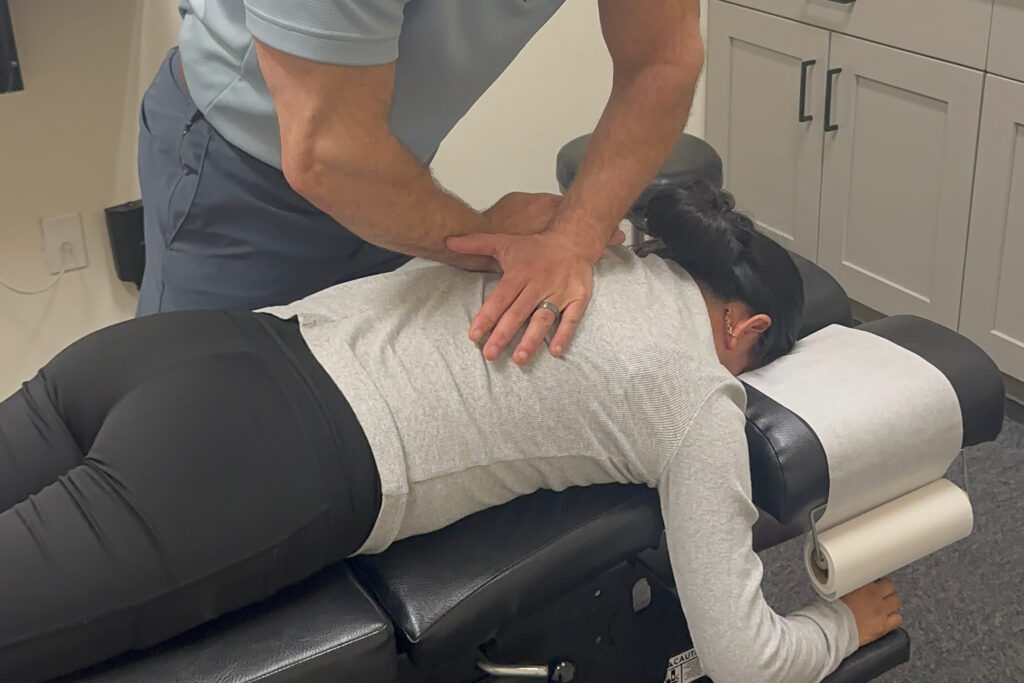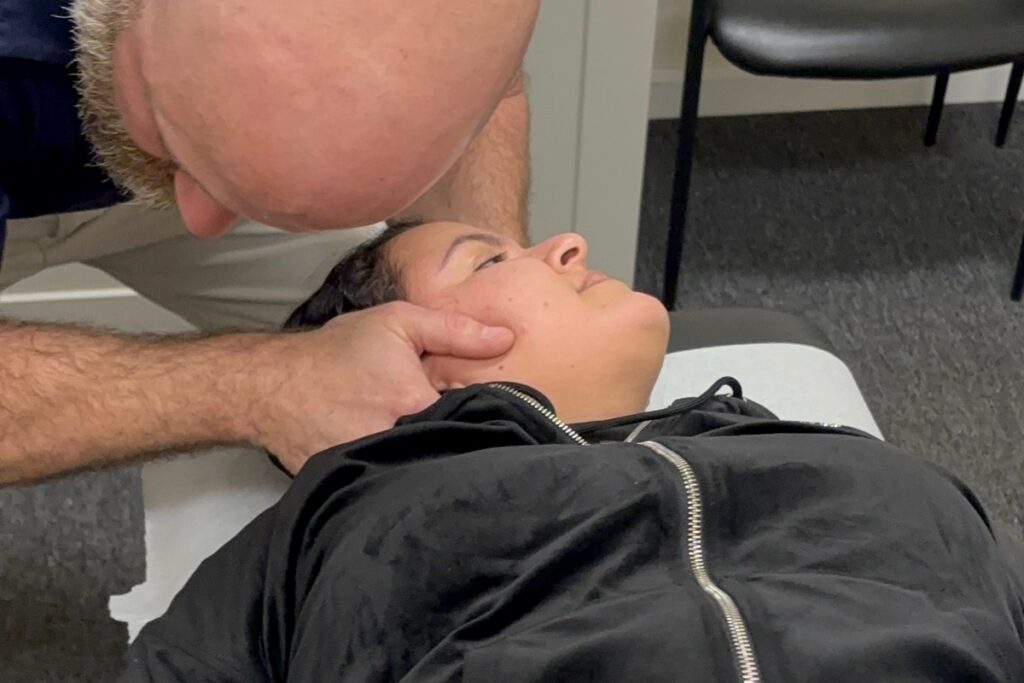

When it comes to finding relief from headaches, understanding the right frequency of chiropractic care can make all the difference. Many of you may be curious about how often you should be visiting your chiropractor to effectively manage your headache symptoms. While everyone’s experience with headaches is unique, knowing the type and severity of your headaches can provide valuable insight into your care plan.
Chiropractic care focuses on addressing the root causes of your headaches, such as tension in the neck or misalignments in the spine. Regular visits to a chiropractor can help alleviate pain, improve mobility, and promote overall wellness. For many, starting with weekly visits can help establish a solid foundation for relief. As your symptoms improve, your chiropractor may recommend spacing out visits to every other week or even monthly, depending on your individual needs.
In addition to regular chiropractic adjustments, there are several simple tips you can incorporate into your daily routine to further support your journey to headache relief:
- Stay Hydrated: Dehydration can trigger headaches, so make sure to drink plenty of water throughout the day.
- Practice Good Posture: Maintaining proper posture, especially while sitting at a desk or using electronic devices, can reduce strain on your neck and back.
- Manage Stress: Techniques such as deep breathing, meditation, or yoga can help manage stress levels, which are often linked to headaches.
- Get Enough Sleep: Aim for a consistent sleep schedule to ensure your body gets the rest it needs to heal and recover.
- Regular Exercise: Engaging in regular physical activity can reduce tension and improve circulation, which may help prevent headaches.
By prioritizing chiropractic care and incorporating these healthy habits, you’re taking proactive steps toward achieving optimal health and natural pain relief. Remember, your chiropractor is there to guide you on this journey, so don’t hesitate to ask questions or discuss your symptoms during your visits. Together, we can find the best approach to help you live a headache-free life!
Key Takeaways
- To support your overall wellness and keep your spine in alignment, aim for chiropractic adjustments every two to four weeks. This regular care can be a game changer for reducing headache frequency and intensity by addressing the root causes of your discomfort.
- Keeping a headache diary is a simple yet effective tool. By tracking when your headaches occur and what might trigger them, you can work with your chiropractor to create a personalized treatment plan that targets your specific needs.
- Don’t forget to explore natural headache relief methods alongside your chiropractic care. Techniques such as proper hydration, regular exercise, stress management, and maintaining good posture can enhance your healing journey and help you achieve optimal wellness.
- If you notice your headaches becoming more frequent or disruptive to your daily life, it’s important to consult with your chiropractor. They can provide guidance and adjust your treatment plan to ensure you’re on the path to relief and better health.
- Remember, chiropractic care is a natural and effective choice for pain relief and overall wellness. By prioritizing your spinal health, you’re taking an important step towards a healthier, headache-free life!
Understanding Different Types of Headaches
When it comes to headaches, understanding the different types can empower you to identify what you’re experiencing and explore natural ways to find relief. One common type is tension headaches, which often feel like a dull ache and tightness around your forehead. These can be triggered by stress or poor posture, both of which can be addressed through chiropractic care that promotes proper alignment and relaxation techniques.
Migraines are another type of headache, known for their intense, throbbing pain, and they can also come with nausea or sensitivity to light. If you notice certain patterns or triggers, keeping a journal can be helpful. Chiropractic adjustments can assist in reducing the frequency and intensity of migraines by improving spinal function and reducing tension.
Cluster headaches, while less common, are incredibly painful and typically occur on one side of the head in cycles. Although they can be challenging to manage, chiropractic care can help alleviate some of the discomfort by addressing underlying spinal issues.
Sinus headaches arise from sinus inflammation and can create pressure around your cheeks and forehead. Chiropractic care can aid in relieving this pressure by ensuring that your spine and nervous system are functioning optimally, which may improve overall sinus health.
Recognizing the type of headache you have is a vital step toward finding effective relief. As a chiropractor, I encourage you to explore natural approaches such as spinal adjustments, proper ergonomics, stress management techniques, and maintaining good hydration.
These strategies can help you manage headaches and promote overall wellness naturally. Remember, your body has an incredible ability to heal itself, and with the right support, you can achieve optimal health.
Assessing Headache Severity
To effectively manage your headaches, it’s important to assess their severity. Start by identifying the type of headache you’re experiencing—whether it’s tension, migraine, or sinus-related. Understanding this can guide you in finding the most effective relief.
Additionally, gauging the intensity of your pain can help you decide on the best course of action.
Chiropractic care is an excellent choice for addressing headache pain naturally. Through spinal adjustments and other holistic techniques, a chiropractor can help relieve tension, improve spinal alignment, and promote overall wellness, which may reduce headache frequency and intensity.
Here are some simple tips you can incorporate into your daily routine to help manage headaches:
- Stay Hydrated: Dehydration can often lead to headaches, so make sure you drink plenty of water throughout the day.
- Practice Good Posture: Poor posture can contribute to tension headaches. Be mindful of your posture while sitting, standing, and working.
- Incorporate Stretching: Gentle neck and shoulder stretches can help alleviate tension and reduce headache symptoms.
- Regular Chiropractic Visits: Regular adjustments can help maintain spinal health and prevent headaches from occurring.
- Stress Management: Techniques like deep breathing, yoga, or meditation can help lower stress levels, which is beneficial for headache relief.
By understanding your headaches and utilizing these tips alongside chiropractic care, you can take proactive steps towards achieving optimal health and wellness.
Types of Headaches
Headaches can manifest in various forms, each with distinct characteristics and levels of intensity. One common type is tension headaches, which may feel like a tight band around your head and are often linked to stress or fatigue. Many people find relief through chiropractic care, which focuses on spinal alignment and overall wellness, helping to alleviate tension and promote relaxation.
Migraines are another type of headache characterized by severe throbbing pain, nausea, and heightened sensitivity to light or sound. While they can be debilitating, chiropractic adjustments have been shown to help reduce the frequency and intensity of migraine attacks by addressing underlying spinal issues.
Cluster headaches, though less common, are extremely painful and tend to occur in cycles, often disrupting your sleep. Chiropractic care can support your nervous system and help manage these headaches by promoting better spinal health.
Sinus headaches, typically associated with sinus infections, bring facial pressure and congestion. Regular chiropractic adjustments can improve overall sinus function and drainage, helping to mitigate the pain associated with these headaches.
By recognizing the type of headache you’re experiencing, you can gain insights into potential triggers and how to approach relief. Embracing chiropractic care not only addresses immediate pain but also fosters long-term wellness.
Remember to maintain good posture, stay hydrated, and manage stress through relaxation techniques, as these practices can further enhance your overall health and reduce the likelihood of headaches.
Prioritizing your spinal health through chiropractic care can be a key step towards achieving optimal well-being and natural relief.
Pain Intensity Levels
Understanding the type of headache you’re experiencing is just the first step; measuring its intensity is equally important in finding effective relief. By gauging your pain levels, you can better address your discomfort and consider natural healing methods. Below is a simple table to help you recognize the severity of your headache:
| Pain Level | Description |
|---|---|
| 1 – Mild | Slight discomfort, manageable |
| 2 – Moderate | Noticeable pain, affects focus |
| 3 – Severe | Intense pain, hard to function |
| 4 – Very Severe | Debilitating, unable to work |
| 5 – Extreme | Excruciating, requires immediate care |
Identifying where your headache falls on this scale can guide you in choosing the best relief methods. Chiropractic care is an excellent option for addressing headaches at any level of intensity. Chiropractic adjustments can help realign the spine, which may alleviate tension and pressure that contributes to headaches.
In addition to seeking chiropractic care, here are some general tips for managing headaches naturally:
- Stay Hydrated: Dehydration can often trigger headaches, so ensure you’re drinking plenty of water throughout the day.
- Maintain Good Posture: Poor posture can lead to tension headaches. Be mindful of your posture while sitting or standing to reduce strain on your neck and spine.
- Practice Relaxation Techniques: Deep breathing, meditation, or gentle yoga can help reduce stress and tension that may contribute to headaches.
- Get Regular Adjustments: Regular visits to your chiropractor can help maintain spinal alignment, potentially reducing the frequency and severity of headaches over time.
- Limit Screen Time: Prolonged screen exposure can strain your eyes and neck. Take regular breaks to rest your eyes and stretch.
Over-the-Counter Medications: Recommended Usage
When you’re dealing with headaches, it’s important to consider all your options for relief. While over-the-counter medications can provide temporary alleviation, they often come with potential side effects and may mask the underlying issues causing your discomfort.
As a local chiropractor, I want to emphasize the benefits of exploring natural healing through chiropractic care. Chiropractic adjustments can help address misalignments in your spine that may contribute to tension and headaches. By restoring proper alignment, we can support your body’s natural ability to heal itself, reducing the frequency and intensity of headaches over time.
Here are some tips for managing headaches naturally:
- Stay Hydrated: Dehydration can often trigger headaches. Make sure you’re drinking plenty of water throughout the day.
- Practice Good Posture: Poor posture can lead to neck and back strain, which may contribute to headaches. Be mindful of your posture when sitting or standing.
- Incorporate Relaxation Techniques: Stress is a common headache trigger. Techniques such as deep breathing, meditation, or gentle yoga can help alleviate tension.
- Apply Heat or Cold: A warm compress or an ice pack on your forehead or neck can provide relief and reduce inflammation.
- Get Regular Adjustments: Regular visits to your chiropractor can help maintain spinal alignment and prevent headaches from recurring.
By focusing on these natural approaches, you can achieve optimal health and wellness without relying on medications.
Proper Dosage Guidelines
Finding relief from headaches can greatly improve your overall comfort and well-being. While many people turn to over-the-counter medications for quick fixes, there are natural alternatives that can often provide effective relief without the need for drugs. Chiropractic care, for example, can play a key role in alleviating headaches by addressing underlying issues in the spine and nervous system.
When considering pain relief options, it’s important to prioritize your health holistically. Regular chiropractic adjustments can help reduce tension, improve posture, and enhance blood flow, all of which can contribute to headache relief. Instead of relying solely on medications like acetaminophen, ibuprofen, or aspirin, consider incorporating chiropractic care into your wellness routine.
Here are some general tips for managing headaches naturally:
- Stay Hydrated: Dehydration can lead to headaches, so make sure you’re drinking plenty of water throughout the day.
- Maintain Good Posture: Poor posture can strain your neck and back, contributing to headaches. Be mindful of your posture, especially when sitting at a desk or using electronic devices.
- Practice Stress Management: Stress is a common trigger for headaches. Techniques like deep breathing, meditation, or yoga can help alleviate stress.
- Get Regular Exercise: Physical activity can boost your mood and reduce tension, which may help prevent headaches.
- Prioritize Sleep: Ensure you’re getting enough restful sleep, as lack of sleep can trigger headaches.
- Consider Chiropractic Adjustments: Regular visits to a chiropractor can help keep your spine aligned and your body functioning optimally, reducing the frequency and intensity of headaches.
By focusing on these natural approaches and making chiropractic care a part of your health regimen, you can work towards achieving better overall wellness and relief from headaches without the need for medications.
Always consult with a healthcare professional if you have ongoing concerns about your health or headaches.
Frequency Recommendations
When it comes to managing headaches, exploring natural remedies like chiropractic care can be a game changer for your health and wellness. Chiropractic adjustments not only help alleviate pain but also promote overall spinal health, which can reduce the frequency and intensity of headaches.
While some may consider over-the-counter (OTC) medications for relief, it’s important to remember that relying on them can lead to complications such as rebound headaches. Instead of turning to pain relievers, I encourage you to embrace the benefits of chiropractic care as a safer and more effective option for long-term relief.
In addition to regular chiropractic adjustments, here are some general tips to help manage headaches naturally:
- Stay Hydrated: Dehydration can lead to headaches, so make sure you’re drinking plenty of water throughout the day.
- Practice Good Posture: Poor posture can strain your neck and back, leading to tension headaches. Be mindful of your posture, especially when sitting at a desk or using your phone.
- Manage Stress: Stress can contribute to headaches, so incorporating relaxation techniques like deep breathing, meditation, or gentle yoga can be beneficial.
- Get Enough Sleep: Ensure you’re getting restful sleep each night, as sleep disturbances can trigger headaches.
- Keep Track of Triggers: Consider keeping a headache diary to note when you experience headaches and any potential triggers, such as certain foods or activities.
By focusing on these natural approaches and incorporating chiropractic care into your routine, you can work towards a healthier, pain-free lifestyle.
Side Effects Awareness
While over-the-counter (OTC) medications can provide temporary relief for headaches, turning to chiropractic care can offer a more natural and effective solution for long-term wellness and pain management.
Many individuals find that common OTC options like ibuprofen and acetaminophen can have unwanted side effects, including stomach irritation and dizziness. Instead of relying on these medications, consider visiting your local chiropractor, who can help identify and address the root cause of your headaches.
Chiropractic adjustments focus on aligning the spine and improving overall body function, which can alleviate tension and stress that often lead to headaches. By promoting proper spinal health, chiropractic care not only helps reduce pain but also enhances your body’s natural healing abilities.
In addition to chiropractic treatments, here are some general tips for managing headaches naturally:
- Stay Hydrated: Dehydration can trigger headaches, so make sure to drink plenty of water throughout the day.
- Maintain Good Posture: Poor posture can strain your neck and back, leading to tension headaches. Be mindful of your posture, especially when sitting for long periods.
- Practice Relaxation Techniques: Stress can contribute to headaches. Techniques such as deep breathing, meditation, and yoga can help reduce stress levels and promote relaxation.
- Get Regular Exercise: Physical activity increases blood flow and releases endorphins, which can help alleviate headache pain and improve overall well-being.
- Prioritize Sleep: Lack of sleep can be a significant headache trigger. Aim for 7-9 hours of quality sleep each night to support your body’s recovery processes.
If headaches persist, it’s essential to seek guidance from your chiropractor, who can provide personalized care and support your journey to optimal health.
Prescription Treatments and Their Frequency
When it comes to managing headaches, it’s important to consider a holistic approach that promotes natural healing and wellness. As a chiropractor, I believe that understanding the underlying causes of your headaches is key to finding effective relief. Instead of relying on medications, which can sometimes lead to unwanted side effects or complications, chiropractic care offers a safe and natural alternative.
Many headaches can stem from tension in the neck and spine, which is where chiropractic adjustments come into play. By correcting misalignments in your spine, we can relieve tension, improve blood flow, and reduce the frequency and intensity of headaches. Regular chiropractic visits can help maintain proper alignment, which contributes to overall health and wellness.
In addition to chiropractic care, here are some general tips to help manage headaches naturally:
- Stay Hydrated: Dehydration can often trigger headaches, so be sure to drink plenty of water throughout the day.
- Practice Good Posture: Poor posture can strain your neck and back, leading to headaches. Be mindful of your posture while sitting, especially if you work at a desk for long periods.
- Manage Stress: Stress is a common headache trigger. Incorporate relaxation techniques such as deep breathing, meditation, or yoga into your daily routine.
- Get Regular Exercise: Physical activity helps reduce tension and improve circulation, which can alleviate headache symptoms.
- Maintain a Healthy Diet: Eating balanced meals and avoiding known headache triggers (like certain foods or caffeine) can also help prevent headaches.
Remember, finding relief from headaches is a journey, and chiropractic care can be a pivotal part of that journey.
Keep track of your headache patterns, and don’t hesitate to discuss your symptoms and experiences with your chiropractor. Together, we can create a personalized plan to optimize your health and achieve lasting relief.
Lifestyle Changes for Headache Prevention
Making simple lifestyle changes can significantly reduce the frequency of headaches and contribute to your overall wellness. As a chiropractor, I want to share some effective strategies that not only help manage headache pain but also promote a healthier lifestyle.
First and foremost, hydration is key. Aim for at least eight glasses of water each day to keep your body, including your spine, well-hydrated. Dehydration can lead to tension and headaches, so make it a habit to carry a water bottle with you.
Regular meals are just as important. Skipping meals can lead to low blood sugar, which can trigger headaches. Try to eat balanced meals throughout the day, ensuring that your body has the nutrients it needs to function optimally.
Incorporating physical activity into your routine is also crucial. Aim for at least 30 minutes of exercise most days. Not only does exercise help relieve stress and tension, which can contribute to headaches, but it also promotes better spinal health. Activities like walking, yoga, or swimming can be great options.
Don’t underestimate the power of sleep! Establish a consistent sleep schedule and aim for 7-9 hours of quality rest each night. Proper sleep is vital for recovery and helps reduce headache frequency.
Pay attention to your posture, especially if you work at a desk for extended periods. Poor posture can put added strain on your neck and spine, leading to headaches. Remember to take breaks to stretch and move around—this can make a big difference!
Lastly, managing stress is essential. Techniques such as mindfulness, meditation, or deep breathing exercises can help you relax and reduce tension. These practices not only improve your mental well-being but also support spinal health.
By implementing these simple changes, you can experience a significant decrease in headache frequency and improve your overall quality of life.
Alternative Therapies: How Often to Engage
In addition to making healthy lifestyle changes, incorporating chiropractic care into your routine can be a powerful way to find relief from headaches.
I recommend scheduling chiropractic adjustments every two to four weeks to help maintain proper spinal alignment and overall wellness. This proactive approach can prevent tension from building up and reduce the frequency of headaches.
Acupuncture is another alternative therapy that many find beneficial. If you choose to explore this option, consider weekly sessions during times when headaches tend to be more frequent. This can help alleviate tension and improve blood flow, complementing the benefits of chiropractic care.
Massage therapy is also a great way to manage headache symptoms. Having a massage session when you start to feel tension can provide immediate relief and help you feel more relaxed.
If you’re curious about herbal remedies or supplements, it’s always wise to consult with a healthcare professional for personalized advice. They can help you determine what’s best for your individual needs.
Remember, the key to maximizing the benefits of these therapies is to listen to your body and adjust the frequency based on how you feel.
Consistency is important, and by prioritizing chiropractic care, you’re taking a meaningful step towards achieving optimal health and natural wellness.
Monitoring Your Response to Treatments
How can you effectively monitor your response to various headache treatments, especially when considering natural options like chiropractic care? Start by keeping a detailed headache diary. Record when your headaches occur, their intensity, duration, and any treatments you use. This will help you spot patterns and triggers that may be linked to your spine and overall health. Note how quickly treatments relieve your pain and any side effects you experience.
It’s essential to assess your lifestyle factors, such as sleep quality, hydration, and stress levels, as these can significantly impact your headaches. Chiropractic care can help address spinal misalignments that contribute to tension and stress, so tracking these variables alongside your treatment responses will provide a clearer picture of what’s effective.
Set a regular schedule to review your diary, perhaps weekly or monthly, to evaluate trends. If you notice that chiropractic adjustments are consistently alleviating your headaches, it’s a good idea to continue that approach. On the other hand, if you find certain methods aren’t yielding results, it might be time to reassess and focus more on holistic strategies.
Additionally, consider incorporating stress-reduction techniques such as deep breathing, yoga, or mindfulness, which complement chiropractic care and can enhance your overall wellness.
When to Consult a Healthcare Professional
When should you consider reaching out to a healthcare professional for your headaches? If you notice that your headaches are becoming more frequent or intense, it’s a good idea to consult a chiropractor. They specialize in understanding how the spine and nervous system affect overall health and can help identify any underlying issues contributing to your pain.
If your headaches are interfering with your daily activities or not improving with simple home remedies, chiropractic care may provide the relief you need. Pay close attention to any sudden headaches that feel different from what you’re used to, especially if they’re accompanied by symptoms like changes in vision, numbness, or difficulty speaking. These signs may indicate that a more serious underlying issue needs to be addressed.
Another important factor to consider is how often you find yourself reaching for pain relievers. If it’s more than twice a week, it’s wise to explore natural options like chiropractic care. Chiropractors can help restore proper alignment in your spine, which may reduce headache frequency and intensity without the need for medications.
Remember, you don’t have to face chronic headaches alone. Seeking the expertise of a chiropractor can lead to effective, natural relief and enhance your overall well-being. Trust your instincts—if something feels off, don’t hesitate to seek help.
In the meantime, consider incorporating some simple practices into your routine, such as staying hydrated, maintaining good posture, and managing stress through relaxation techniques. These can all contribute to a healthier lifestyle and potentially reduce headache occurrences.
Conclusion
In summary, finding the ideal frequency for headache relief is all about a personalized approach that prioritizes your health and well-being. Chiropractic care stands out as a natural and effective method for managing headaches. By focusing on spinal health and alignment, chiropractors can help address the root causes of your headaches, rather than just masking the symptoms.
Keeping track of your headaches and their patterns is essential in understanding what works best for you. Regular visits to your chiropractor can help you fine-tune your treatment plan, ensuring that you receive the most effective care tailored to your needs.
Additionally, incorporating healthy lifestyle changes—such as staying hydrated, practicing good posture, and managing stress through relaxation techniques—can significantly enhance your overall well-being and reduce headache frequency.
Remember, if your headaches become more frequent or disruptive, don’t hesitate to reach out to your chiropractor for guidance. By taking proactive steps and embracing chiropractic care, you can improve your quality of life and achieve lasting relief from headaches. Your journey to better health starts with a commitment to natural healing through chiropractic!