
You might not realize it, but everyday activities can lead to low back pain through common injuries. When you strain muscles or sprain ligaments, it can throw off the balance of your spine and the surrounding tissues. This disruption often leads to inflammation, which can limit your mobility and increase discomfort.
Understanding how specific injuries affect your lower back is crucial for your overall health. Let’s take a closer look at the anatomy involved and the types of injuries that frequently contribute to this persistent pain.
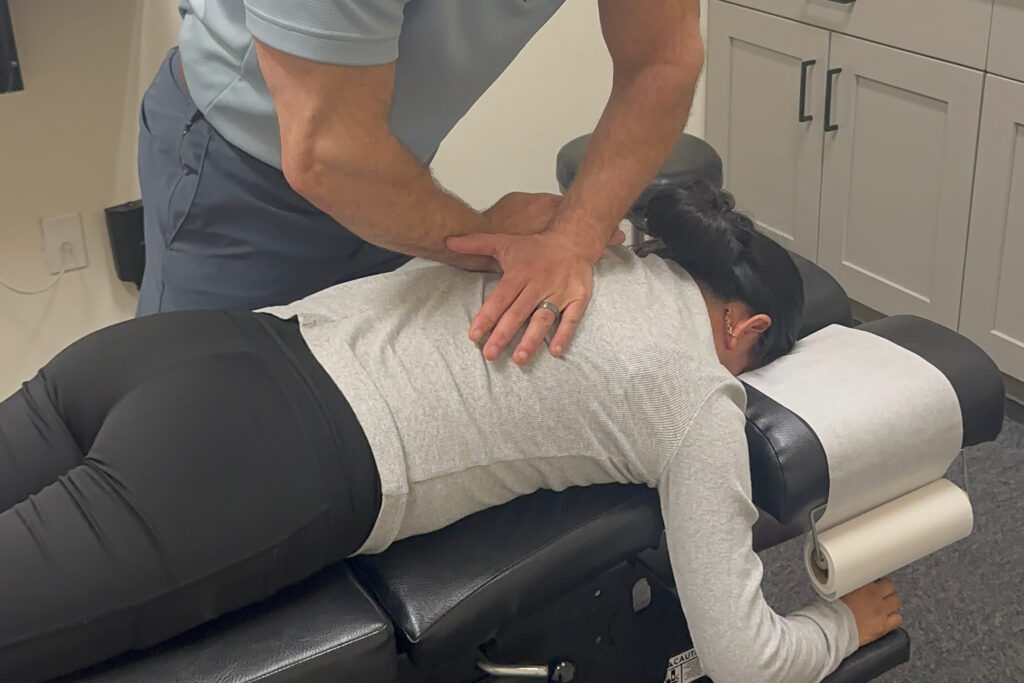
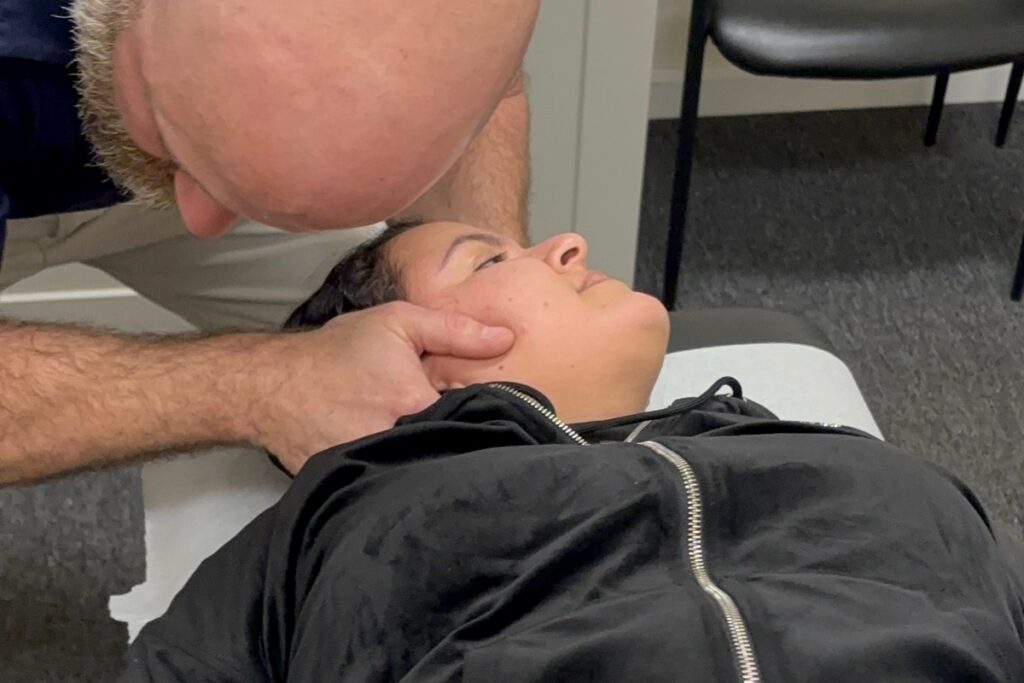
When you experience a strain or sprain, it’s essential to address the issue naturally. Chiropractic care focuses on restoring balance and alignment to your spine, helping to relieve pain and promote healing without the need for medications or surgeries.
Here are some helpful tips to support your lower back health:
- Stay Active: Gentle exercises, like walking or stretching, can keep your muscles strong and flexible, reducing the risk of injury.
- Practice Good Posture: Whether sitting or standing, maintaining proper alignment can help prevent strain on your back.
- Lift with Care: Always use your legs to lift heavy objects, keeping your back straight to avoid unnecessary stress on your spine.
- Stay Hydrated: Drinking plenty of water supports the health of your discs and overall spinal function.
If you’re struggling with low back pain from common injuries, consider visiting a chiropractor. They can provide personalized care that focuses on natural healing and helps you regain optimal health. Remember, a healthy spine is the foundation for a healthy life!
Key Takeaways
Common injuries can lead to low back pain for several reasons, and understanding these can help you take proactive steps towards healing and maintaining a healthy spine.
- Muscle Strains: When you stretch or tear the muscles in your back, it can cause pain and limit your ability to move freely. Gentle stretching and chiropractic adjustments can help restore mobility and strengthen these muscles over time.
- Ligament Sprains: If you overstretch or tear the ligaments that support your spine, it can lead to discomfort and instability. Chiropractic care focuses on realigning your spine and improving your body’s biomechanics, which can help alleviate pain and prevent future injuries.
- Disc Injuries: Herniated discs occur when the material inside your discs bulges out and puts pressure on nearby nerves. This can result in pain and sometimes even neurological symptoms. Chiropractic adjustments can help relieve that pressure and promote better spinal health without resorting to invasive procedures.
- Fractures: Especially in older adults, fractures can weaken the spine and lead to sharp pain and difficulty moving. A chiropractor can work with you to strengthen your back and improve your overall posture, which can help prevent future fractures and support recovery.
- Repetitive Stress: Poor body mechanics or doing the same activities for long periods can wear down your back. By incorporating regular chiropractic care, you can address these issues early on, ensuring your spine remains aligned and reducing the risk of chronic pain.
Takeaway Tips:
- Stay Active: Engage in low-impact exercises like walking or swimming to keep your back muscles strong.
- Practice Good Posture: Whether sitting or standing, maintaining proper alignment can significantly reduce strain on your back.
- Listen to Your Body: If you feel pain, don’t ignore it. Seek chiropractic care to address the underlying issues.
- Incorporate Stretching: Gentle stretching can help keep your muscles flexible and reduce the risk of strains.
Chiropractic care is a natural and effective approach to managing back pain and promoting overall wellness. By focusing on spinal health, you can achieve a pain-free and active lifestyle.
Understanding the Anatomy of the Lower Back
Understanding the anatomy of your lower back is crucial for recognizing how injuries can lead to pain and discomfort. Your lower back, also known as the lumbar region, is made up of five vertebrae, cushioning discs, supportive muscles, and strong ligaments. These components work in harmony to support your upper body and facilitate movement throughout your day.
The vertebrae serve as a protective shield for your spinal cord, while the discs act like shock absorbers, helping to cushion impacts during everyday activities. Surrounding these structures, the muscles play a vital role in providing stability, enabling you to bend, lift, and move freely. Ligaments connect the vertebrae, ensuring they remain properly aligned for optimal function.
When any of these essential components become damaged or strained, it can lead to discomfort or pain. Common injuries include muscle strains, ligament sprains, or herniated discs. These issues disrupt the delicate balance of your lower back, leading to increased discomfort.
As a chiropractor, I want to emphasize the importance of maintaining a healthy spine for overall wellness. Regular chiropractic care can help keep your spine aligned, reducing the risk of injuries and enhancing your body’s natural ability to heal.
Here are some general tips to help you take care of your lower back:
- Maintain Good Posture: Be mindful of your posture while sitting, standing, and lifting. Proper alignment can prevent unnecessary strain on your lower back.
- Stay Active: Regular physical activity strengthens the muscles that support your lower back. Incorporate a mix of strength training and flexibility exercises into your routine.
- Practice Safe Lifting Techniques: When lifting heavy objects, bend at your knees instead of your waist, and keep the load close to your body.
- Listen to Your Body: Pay attention to any signs of discomfort. Early intervention through chiropractic care can help address issues before they escalate.
- Stay Hydrated: Proper hydration helps keep your discs healthy and functional. Aim to drink plenty of water throughout the day.
Common Activities That Lead to Low Back Pain
Everyday activities can easily lead to low back pain if you’re not careful. You mightn’t think twice about bending down to pick something up or sitting for long hours, yet these common actions can strain your lower back. Here are some activities that can contribute to discomfort and how chiropractic care can help:
- Lifting heavy objects: Whether it’s groceries or furniture, improper lifting techniques can cause immediate strain. It’s important to bend at your knees and keep the object close to your body. Consider visiting a chiropractor who can teach you proper body mechanics to protect your spine.
- Prolonged sitting: Spending hours hunched over a desk can weaken your core and place stress on your spine. Regular chiropractic adjustments can help improve your posture and relieve tension. Remember to take frequent breaks to stand, stretch, and adjust your seating position throughout the day.
- Twisting while lifting: If you twist your torso while carrying something, you could easily injure your back. Always face the object you’re lifting and avoid twisting. A chiropractor can guide you on safe lifting techniques and provide exercises to strengthen your back.
Being mindful of how you perform these tasks can help prevent low back pain. By employing proper lifting techniques, taking regular breaks from sitting, and avoiding twisting motions when handling items, you can significantly reduce your risk of injury.
Additionally, regular chiropractic care can support your spinal health, enhance your overall well-being, and promote natural healing. Making these simple adjustments in your daily routine, along with chiropractic support, can lead to a healthier and pain-free life.
Types of Injuries Associated With Low Back Pain
Low back pain is a common issue that can arise from various injuries during daily activities or sports. Understanding these injuries is essential for achieving optimal health and wellness, and chiropractic care can play a vital role in your recovery.
One of the most frequent causes of low back pain is a muscle strain. This occurs when the muscles in your back stretch too far or tear, often after lifting heavy objects or twisting awkwardly. If you experience a muscle strain, gentle stretching and chiropractic adjustments can help restore proper alignment and function.
Another injury to be aware of is a ligament sprain. Ligaments support your spine, and when they become overstretched or torn—often due to sudden movements or falls—you may feel significant discomfort. Chiropractic care can aid in healing and help strengthen these supporting structures.
Disc injuries, such as herniated discs, can also lead to considerable pain. This happens when the soft tissue between your vertebrae bulges out and puts pressure on nearby nerves. Chiropractic treatments can help relieve this pressure and promote natural healing.
Fractures, particularly in older adults, can result from falls or weakened bones due to osteoporosis, causing intense pain and limiting mobility. While these injuries may require careful management, chiropractic care can provide relief and support recovery.
Repetitive stress injuries, which can occur from activities like running or prolonged sitting, gradually wear down your back and lead to chronic pain. To prevent this, consider incorporating regular chiropractic visits into your routine, along with maintaining good posture and taking breaks during long periods of sitting.
The Role of Muscle Strain and Ligament Sprain
Muscle strains and ligament sprains are two of the most common injuries that can lead to low back pain, and they often stem from everyday activities like lifting heavy objects or twisting your body in an awkward way.
These injuries can cause discomfort and limit your mobility, disrupting the natural balance of your back and leading to pain that may radiate throughout your body.
If you’re experiencing any of the following symptoms, it may be time to consider how chiropractic care can help:
- A sharp twinge when bending over to pick something up.
- A dull ache that lingers after a long day of sitting.
- Stiffness that makes it hard to stand up straight.
Recognizing these symptoms early is crucial for effective management.
Chiropractic care focuses on addressing the root cause of your low back pain by realigning the spine and improving the function of your muscles and ligaments.
This natural approach not only alleviates pain but also promotes overall wellness.
Here are some general tips to help you manage and prevent low back pain:
- Practice Good Posture: Make sure to sit and stand tall, keeping your back straight. This helps maintain the natural curve of your spine and reduces strain on your muscles.
- Stay Active: Engage in regular exercise to strengthen your core muscles. A strong core supports your spine and helps prevent injuries.
- Stretch Regularly: Incorporate gentle stretching into your daily routine to keep your muscles flexible and reduce tension in your back.
- Use Proper Lifting Techniques: When lifting objects, bend at the knees and keep the load close to your body. Avoid twisting your back while lifting.
- Schedule Regular Chiropractic Visits: Regular adjustments can help maintain spinal health, improve mobility, and prevent future injuries.
By understanding the impact of muscle strains and ligament sprains on your low back pain and taking proactive steps, you can empower yourself to seek the relief you need.
Embracing chiropractic care as part of your wellness journey can lead to a healthier, pain-free life.
Strategies for Prevention and Recovery
Incorporating effective strategies for prevention and recovery can significantly lower your risk of low back pain and enhance your overall well-being.
One of the most vital steps is to maintain proper posture whether you’re sitting, standing, or lifting. Make sure to use ergonomic furniture and always bend at your knees instead of your waist to protect your spine.
In addition to posture, regular stretching and strengthening exercises focused on your core and back are crucial. These exercises not only help to enhance stability and flexibility but also support spinal health—one of the cornerstones of chiropractic care.
Make physical activity a priority in your daily routine. Staying active keeps your muscles strong and your joints flexible, which is essential for a healthy spine. After engaging in intense activities, be sure to allow your body time to rest and recover to prevent unnecessary strain.
If you start to feel discomfort, applying ice or heat can provide immediate relief, and if the pain persists, consider visiting a chiropractor. They can offer personalized assessments and treatments to help you on your journey to wellness.
Hydration and a balanced diet also play essential roles in supporting your body’s healing processes. Remember, a well-nourished body is more resilient and better equipped to handle daily stresses.
Conclusion
To summarize, it’s crucial to understand the anatomy of your lower back and to be aware of activities that can lead to injuries in order to prevent pain. Strains and sprains can significantly affect your mobility and comfort, but with the right strategies for recovery and prevention, you can protect your back naturally. Chiropractic care can play a vital role in this process, helping to restore proper alignment and function to your spine.
Stay mindful of your body’s limits and practice good mechanics, such as lifting with your legs instead of your back and maintaining good posture throughout the day. Regular chiropractic adjustments can also keep your spine in optimal condition, reducing the risk of injury and enhancing your overall health. Remember, don’t hesitate to seek chiropractic care if you’re experiencing discomfort. Taking these proactive steps can help ensure your lower back remains healthy and pain-free, supporting your journey towards a healthier, more active lifestyle.