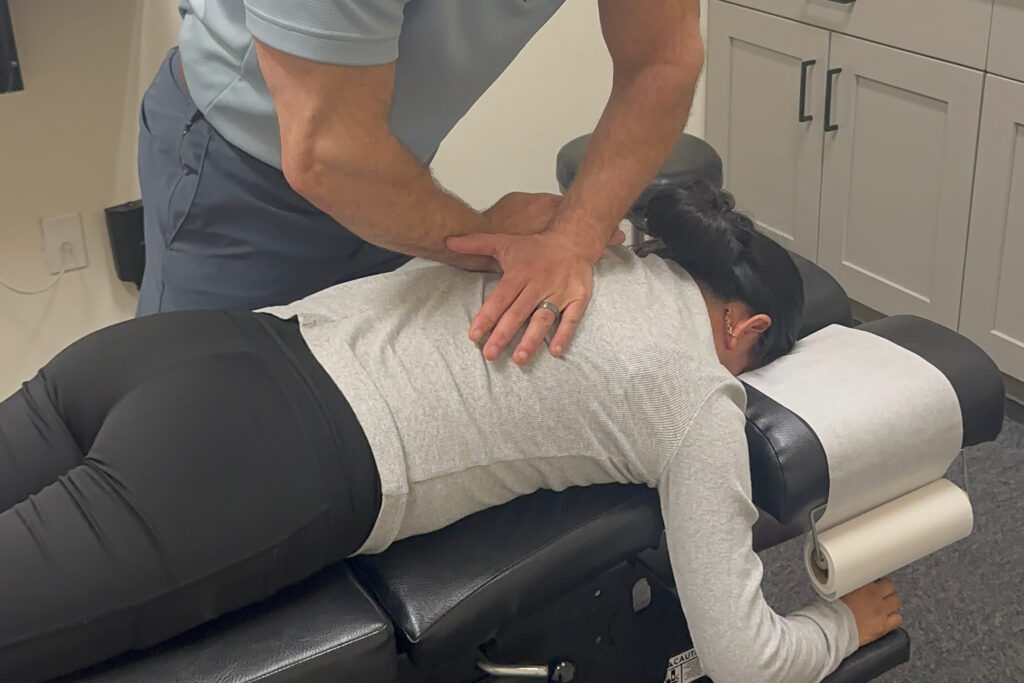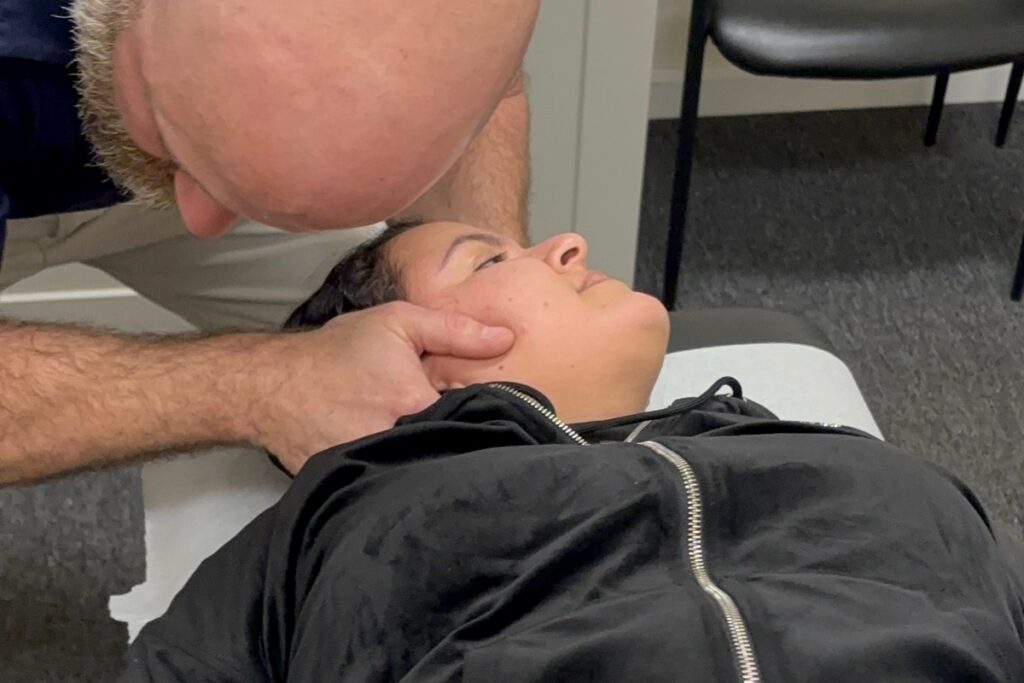

If you’re struggling with chronic low back pain, you may be curious as to why exercise is frequently suggested as an essential part of your healing journey. As a chiropractor, I can tell you that regular movement not only strengthens crucial muscles and improves flexibility, but it also plays a vital role in enhancing your overall function and well-being.
The benefits of exercise extend beyond physical improvements, as it can also positively influence your mental outlook. When you engage in physical activity, your body releases endorphins, which are natural mood lifters. This can help reduce feelings of anxiety and depression often associated with chronic pain.
Let’s delve into why exercise is so important in managing low back pain and how it aligns with the principles of chiropractic care:
- Strengthening Muscles: Targeted exercises can help fortify the muscles that support your spine. A strong core is particularly important for maintaining proper posture and alleviating stress on your back.
- Improving Flexibility: Incorporating stretching exercises can enhance your flexibility, which may help relieve tension in your back and improve your range of motion.
- Enhancing Functionality: Regular movement can help restore your ability to perform daily activities without discomfort, promoting a more active lifestyle.
- Natural Pain Relief: Exercise encourages blood flow and helps to reduce stiffness, which can lead to natural pain relief without the need for medications or invasive procedures.
- Mind-Body Connection: Understanding how exercise benefits both your body and mind is crucial. By incorporating physical activity into your routine, you’re not only working towards physical healing but also nurturing your mental health.
Tips for Getting Started:
- Start Slow: If you’re new to exercise, begin with gentle movements such as walking or light stretching.
- Listen to Your Body: Pay attention to how your body responds to different activities and adjust as needed.
- Stay Consistent: Aim for regular movement, even if it’s just a few minutes a day. Consistency is key to seeing results.
- Combine with Chiropractic Care: Working with a chiropractor can help tailor an exercise plan to your specific needs, ensuring you’re on the right track toward recovery.
Remember, exercise is a powerful tool in the management of chronic low back pain, particularly when complemented by chiropractic care. By embracing a holistic approach that includes regular movement and spinal health, you’re taking significant steps towards achieving optimal wellness and a pain-free life.
Key Takeaways
Why Use Exercises for Chronic Low Back Pain?
As a local chiropractor dedicated to your health and wellness, I want to share how regular exercise can be a powerful tool in managing chronic low back pain. Exercise isn’t just about staying fit; it plays a crucial role in supporting your spine and overall well-being. Here’s how:
- Strengthening Core Muscles: Regular exercise helps to strengthen your core muscles, which provide essential support to your spine. A strong core reduces strain on your back muscles and can alleviate pain over time.
- Enhancing Flexibility: Improved flexibility from exercise can make daily activities easier and less painful. Simple stretches can help you move with greater ease and reduce stiffness in your back.
- Natural Pain Relief: Engaging in physical activity releases endorphins, your body’s natural pain relievers. This not only helps to improve your mood but also combats feelings of anxiety and depression that can accompany chronic pain.
- Promoting Better Posture: Consistent movement helps to improve your posture, which is vital for spinal alignment. Good posture can significantly decrease the strain on your back, reducing pain and discomfort.
- Boosting Blood Flow: Low-impact aerobic exercises can enhance blood circulation, promoting healing and reducing inflammation associated with chronic pain. Activities like walking, swimming, or cycling are excellent options.
General Tips for Healthy Living:
- Start slowly: If you’re new to exercise, begin with gentle movements and gradually increase intensity.
- Stretch daily: Incorporate stretches into your routine to improve flexibility and relieve tension in your back.
- Stay active: Aim for regular movement throughout the day, even if it’s just a short walk.
- Listen to your body: Pay attention to what feels good and what doesn’t. Modify exercises as needed to avoid pain.
Remember, chiropractic care is here to support you on your journey to optimal health. By combining chiropractic adjustments with regular exercise, you can effectively manage chronic low back pain and enhance your overall wellness. Embrace a healthier lifestyle, and take charge of your pain relief naturally!
Understanding Chronic Low Back Pain
When it comes to managing chronic low back pain, understanding its nature and causes is crucial for finding relief. Chronic low back pain lasts longer than three months and can be triggered by various factors, such as injury, poor posture, or underlying conditions. You may experience symptoms like aching, stiffness, or sharp pain, which can limit your mobility and affect your daily activities.
Identifying your specific triggers is key to managing your pain. You might find that certain movements, positions, or even stress can make your discomfort worse. Emotional factors, such as anxiety and depression, can also play a significant role in your experience. It’s important to remember that everyone’s journey with low back pain is unique; what helps one person may not work for another.
This is where chiropractic care can make a significant difference. Chiropractors specialize in understanding the spine and its role in overall health. Through gentle adjustments and personalized treatment plans, chiropractic care can help realign your spine, relieve pressure on nerves, and restore proper function. This natural approach promotes healing from within and can lead to lasting relief without the need for medications or invasive procedures.
To support your journey toward better health, here are some helpful tips:
- Maintain Good Posture: Be mindful of your posture whether sitting, standing, or lifting. Keeping a neutral spine can prevent strain and discomfort.
- Stay Active: Engage in low-impact exercises, such as walking or swimming, to strengthen your back and improve flexibility.
- Listen to Your Body: Pay attention to how certain activities or positions affect your pain. Adjust accordingly to avoid exacerbating your symptoms.
- Manage Stress: Incorporate relaxation techniques, such as deep breathing or meditation, to help alleviate emotional factors that may contribute to pain.
- Consult a Chiropractor: Regular chiropractic visits can help identify and treat the root causes of your low back pain, offering you a path to recovery that supports your overall wellness.
The Role of Exercise in Pain Management
Exercise is essential in managing chronic low back pain, and as a chiropractor, I can attest to its benefits in achieving optimal health and wellness.
Regular movement not only strengthens your core muscles but also improves your flexibility, enhancing your mobility and reducing discomfort.
Incorporating specific exercises into your routine can significantly alleviate pain and promote a healthier spine.
Simple activities like gentle stretching, walking, and core-strengthening exercises can make a world of difference.
As you stay consistent with these practices, you may notice a remarkable improvement in your pain levels and overall well-being.
Remember, chiropractic care complements your exercise routine perfectly.
Regular adjustments can help align your spine, improve your posture, and enhance the effectiveness of your exercises.
By focusing on natural healing through chiropractic care and exercise, you can achieve a pain-free life without the need for surgeries or medications.
Here are a few general tips to keep in mind:
- Start slow: Begin with low-impact exercises and gradually increase the intensity as your body allows.
- Listen to your body: Pay attention to how you feel during and after exercise. If something doesn’t feel right, consult your chiropractor.
- Stay consistent: Aim for regular, short exercise sessions rather than infrequent, intense workouts.
- Incorporate stretching: Stretching before and after your workouts can help prevent injuries and improve flexibility.
Benefits of Regular Movement
Regular movement is crucial for managing chronic low back pain and significantly enhances your overall quality of life. As a chiropractor, I want to emphasize how engaging in regular physical activity can be a powerful tool for healing.
When you move your body, you increase blood flow to your muscles and tissues, which supports healing and reduces stiffness. This is especially important for your spine, as healthy movement can help maintain its alignment and function.
Additionally, movement triggers the release of endorphins—your body’s natural pain relievers—which can provide immediate relief from discomfort. Incorporating gentle exercises into your daily routine can also improve your flexibility and range of motion, making everyday tasks more manageable and less painful.
You might also notice a boost in your mood and energy levels when you stay active. Exercise has been shown to combat feelings of anxiety and depression, which often accompany chronic pain. This holistic approach to wellness not only addresses physical symptoms but also supports your mental health.
As you work towards incorporating regular movement into your life, consider these simple tips:
- Start Small: Begin with short walks or gentle stretches, gradually increasing the duration and intensity as your body allows.
- Listen to Your Body: Pay attention to how your body feels during and after movement. If something doesn’t feel right, it’s okay to adjust or seek guidance from a chiropractor.
- Mix It Up: Explore different activities like yoga, swimming, or tai chi that are easy on the joints and promote spinal health.
- Consistency is Key: Try to make movement a regular part of your day, even if it’s just for a few minutes.
Strengthening Core Muscles
Strengthening your core muscles is crucial for managing chronic low back pain, and it can be an excellent complement to chiropractic care. A strong core provides essential support for your spine, enhancing stability and reducing strain on your lower back.
When you engage in core-strengthening exercises, you not only improve your posture but also give your back the support it needs during everyday activities. This added support can help alleviate pain and prevent future injuries, making it an integral part of your wellness journey.
Incorporating simple exercises like planks, bridges, and abdominal crunches into your routine can be highly beneficial. These exercises focus on the muscles that stabilize your spine, and they can be easily modified to suit your fitness level.
Remember, consistency is key; gradually increasing the intensity and duration of your workouts will lead to the best results.
Additionally, it’s important to listen to your body. If you feel any discomfort while exercising, it’s wise to consult with your chiropractor, who can provide personalized guidance and adjustments to ensure you’re on the right track.
By focusing on strengthening your core, you’re not only taking a significant step towards a healthier, pain-free life but also enhancing the effects of your chiropractic care.
Improving Flexibility and Mobility
Managing chronic low back pain can be challenging, but one of the most effective ways to improve your comfort and movement is by enhancing your flexibility and mobility. As a chiropractor, I believe that incorporating regular stretching and mobility exercises into your daily routine can significantly alleviate discomfort, improve posture, and increase your range of motion—without the need for surgeries or medications.
When you prioritize these exercises, you’ll likely notice a reduction in pain and an enhancement in your ability to perform everyday activities. Here are some effective exercise types that can help you on your journey to better health:
| Exercise Type | Benefits | Frequency |
|---|---|---|
| Stretching | Increases flexibility | Daily |
| Yoga | Enhances balance and relaxation | 2-3 times per week |
| Dynamic stretches | Boosts mobility and prepares muscles for activity | Before workouts |
In addition to these exercises, here are a few general tips to keep in mind:
- Listen to Your Body: Start slow and pay attention to how your body responds to each exercise. If you feel pain, adjust your movements or consult with your chiropractor for guidance.
- Stay Consistent: Make flexibility and mobility exercises a part of your daily routine. Consistency is key to seeing improvements over time.
- Focus on Breath: Especially during yoga and stretching, concentrate on your breathing. It helps to relax your muscles and can enhance the effectiveness of the exercises.
- Incorporate Chiropractic Care: Regular chiropractic adjustments can complement your flexibility and mobility efforts. They can help align your spine, reduce tension, and improve your overall well-being.
Benefits of Strengthening Core Muscles
Strengthening your core muscles isn’t just about aesthetics; it’s a vital part of achieving optimal health and wellness, especially when it comes to alleviating chronic low back pain. As a chiropractor, I often see how a strong core can make a significant difference in a person’s overall stability and comfort.
A robust core supports your spine, reducing the strain on your back muscles and improving your posture. Here are some essential benefits of focusing on core strength, along with practical tips you can incorporate into your daily routine:
- Improved Stability: A strong core provides the foundation for your body’s movements. It helps stabilize you during everyday activities, from lifting groceries to playing with your kids. By enhancing your stability, you reduce the risk of injury and can move confidently.
- Pain Reduction: Engaging your core muscles correctly can relieve pressure on your lower back. This means less pain over time, allowing you to enjoy life without being held back by discomfort. Regular core exercises, like planks or gentle yoga, can be very effective in building that strength.
- Better Posture: Strengthening your core promotes better alignment of your spine. When your core is strong, you naturally maintain proper posture, which can reduce back strain and discomfort. Consider setting reminders to check your posture throughout the day, especially if you sit for long periods.
- Enhanced Mobility: A strong core allows for more effortless movement, making everyday tasks feel easier and more enjoyable. Whether it’s bending down to tie your shoes or reaching for something on a high shelf, a strong core supports these movements and enhances your overall quality of life.
General Tips for Core Strengthening:
- Start with simple exercises at home, such as bridges, planks, or seated twists.
- Incorporate balance activities like standing on one leg or using a stability ball to engage your core.
- Make it a habit to include core-strengthening exercises in your routine at least 2-3 times a week.
- Remember to breathe deeply during exercises; this not only engages your core but also promotes relaxation.
Ultimately, focusing on your core strength is a proactive step towards better health and wellness. With the right approach, including the benefits of chiropractic care, you can achieve a pain-free lifestyle and enjoy improved stability and mobility.
Embrace these practices, and your back will thank you!
Enhancing Flexibility to Alleviate Discomfort
To effectively manage chronic low back pain, enhancing your flexibility is essential. As a chiropractor, I believe that stretching plays a crucial role in not just targeting key muscle groups but also in alleviating discomfort and improving your overall range of motion. By incorporating daily flexibility routines, you can significantly improve your well-being and support the natural healing process your body craves.
Here are some simple tips to help you get started:
- Gentle Stretches: Focus on gentle stretching exercises that target your lower back, hips, and legs. Simple movements like seated forward bends or gentle twists can make a big difference.
- Consistency is Key: Aim to set aside a few minutes each day for these stretches. Consistency will enhance your flexibility and help prevent stiffness.
- Listen to Your Body: Pay attention to how your body feels. If a stretch causes pain, ease off and adjust your technique. It’s important to find a balance that feels comfortable.
- Warm Up: Before stretching, take a few moments to warm up your muscles. A short walk or some light movements can prepare your body for stretching.
- Chiropractic Care: Regular visits to your chiropractor can further enhance your flexibility and address any underlying issues. Chiropractic adjustments can help align your spine, making it easier for you to stretch and move freely.
Importance of Stretching
Stretching is an essential practice for managing chronic low back pain, and it can significantly enhance your overall well-being. By incorporating regular stretching into your daily routine, you can experience numerous benefits that not only contribute to pain relief but also improve your mobility. As a chiropractor, I encourage you to consider the following advantages of stretching:
- Increased Blood Flow: Stretching boosts circulation, which helps deliver vital nutrients to your muscles and tissues. This improved blood flow can support healing and recovery.
- Reduced Muscle Tension: Specific stretches can effectively target tight muscles, helping to relax them and alleviate pressure on your spine. This is crucial for reducing discomfort and promoting a more relaxed state.
- Improved Posture: Regular stretching encourages better alignment of your spine and body, which can greatly reduce strain on your back. Good posture is key to preventing pain and maintaining a healthy spine.
- Enhanced Range of Motion: Achieving greater flexibility through stretching allows for smoother, more fluid movements. This not only makes daily activities easier but also minimizes the risk of injury.
In addition to these benefits, here are some simple tips to integrate stretching into your life:
- Set a Routine: Aim to stretch for at least 10-15 minutes daily, ideally after a warm-up or physical activity.
- Listen to Your Body: Pay attention to how your muscles feel during stretching. Never push yourself to the point of pain; gentle stretches are most effective.
- Focus on Key Areas: Target areas that are prone to tightness, such as your hips, hamstrings, and lower back. This can provide the most relief and improve your overall comfort.
- Combine with Chiropractic Care: Regular visits to your chiropractor can enhance the benefits of stretching by ensuring your spine is properly aligned and functioning optimally.
Targeting Key Muscle Groups
Focusing on key muscle groups is essential for enhancing flexibility and alleviating discomfort associated with chronic low back pain. As a local chiropractor, I want to emphasize how targeting areas like the hip flexors, hamstrings, and lower back muscles can significantly improve your overall range of motion. Stretching these muscle groups can help release tension that may be contributing to your pain, allowing your body to feel more at ease.
Incorporating exercises that engage your core is crucial for supporting your spine and promoting a healthier, more balanced body. A strong core can help alleviate pressure on your back, leading to reduced stiffness and discomfort over time. Remember, it’s important to listen to your body; avoid pushing yourself too hard or overstretching, as this can lead to further discomfort.
Here are some general tips to help you on your journey to better health:
- Consistency is Key: Make stretching a regular part of your routine. Even just a few minutes each day can lead to significant improvements in flexibility and pain relief.
- Warm Up First: Always warm up your muscles before stretching. A simple walk or gentle movement can prepare your body and reduce the risk of injury.
- Breathe Deeply: While stretching, focus on your breathing. Deep breaths can help relax your muscles and enhance the effectiveness of your stretches.
- Stay Hydrated: Proper hydration supports muscle function and recovery. Drink plenty of water throughout the day.
- Consider Chiropractic Care: Regular visits to a chiropractor can help align your spine, relieve tension, and improve your overall body mechanics. This holistic approach can enhance your flexibility and support your recovery journey.
Daily Flexibility Routines
Incorporating daily flexibility routines into your schedule can significantly enhance your ability to manage chronic low back pain. By improving your flexibility, you can relieve discomfort and enhance your overall mobility, making it easier to go about your daily activities.
Here are four simple routines to consider that can complement your chiropractic care:
- Cat-Cow Stretch: This gentle flow between two positions warms up your spine and helps relieve tension. It’s a fantastic way to promote spinal health while keeping your back flexible.
- Hamstring Stretch: Stretching your hamstrings can reduce strain on your lower back. Tight hamstrings can pull on your pelvis, leading to discomfort; regular stretching can help maintain proper alignment.
- Child’s Pose: This resting pose gently stretches your back and hips, promoting relaxation. It’s a great position to unwind and connect with your breath, which can further enhance your overall sense of wellness.
- Seated Forward Bend: This stretch directly targets your lower back and hamstrings, which helps improve flexibility and can ease tension in those areas.
Making time for these stretches each day can lead to noticeable improvements in your pain levels, especially when combined with regular chiropractic adjustments. Remember, consistent care and gentle movement are key to achieving optimal health and wellness.
Prioritize your spinal health, and always listen to your body as you incorporate these routines into your life.
Improving Posture Through Regular Exercise
While chronic low back pain can be challenging, regular exercise is crucial for improving your posture and overall spinal health. Engaging in activities that strengthen your core, back, and hip muscles creates a solid foundation that supports your spine.
This stability helps you maintain an upright position and reduces the tendency to slouch or hunch over, which can exacerbate pain.
Incorporating simple exercises like planks, bridges, and rows into your routine can enhance your muscle tone and flexibility. These movements target important areas that contribute to good posture.
Focus on your alignment during these workouts; developing body awareness is key and can positively impact your everyday life.
As you consistently work on your posture through exercise, you may notice a decrease in back strain, reduced pain, and an overall improvement in your well-being. Remember, chiropractic care is an excellent complement to your exercise routine.
A skilled chiropractor can help align your spine, allowing your body to function optimally and supporting your journey to pain relief and better posture.
Here are some tips to help you on your path to better posture:
- Stay Active: Regular movement is essential. Aim for at least 30 minutes of physical activity most days.
- Strengthen Your Core: Incorporate exercises that target your core muscles, as they play a vital role in supporting your spine.
- Be Mindful of Your Posture: Whether sitting at your desk or standing, keep your shoulders back and down, and your head aligned over your spine.
- Listen to Your Body: If you experience pain during certain activities, consider consulting with a chiropractor for personalized advice.
By committing to regular exercise and considering chiropractic care, you’ll not only alleviate chronic pain but also develop a healthier, more confident posture.
Here’s to your journey towards optimal health!
How Exercise Reduces Inflammation
When you engage in regular exercise, your body can significantly lower inflammation levels, which is particularly beneficial for those suffering from chronic low back pain. As a chiropractor, I can’t emphasize enough the importance of integrating both aerobic and strength training exercises into your routine. These types of physical activity not only help reduce inflammation but also promote overall spinal health and well-being.
Aerobic exercises, such as walking, swimming, or cycling, increase blood flow and oxygen to your muscles and tissues, aiding in the healing process. Strength training, on the other hand, helps build muscle around your spine, providing better support and stability, which can alleviate pain.
Understanding how these activities work to reduce inflammation empowers you to make informed choices about your health. Here are some simple tips to incorporate exercise into your daily routine:
- Start Small: If you’re new to exercise, begin with short sessions, such as 10-15 minutes of walking, and gradually increase your duration and intensity.
- Listen to Your Body: Pay attention to how your body responds to different exercises. If something feels uncomfortable or painful, it’s important to modify the activity or consult with a chiropractor for guidance.
- Stay Consistent: Aim for at least 150 minutes of moderate aerobic activity each week, along with two days of strength training. Consistency is key to reducing inflammation and improving your health.
- Focus on Form: Proper technique is essential in preventing injury and maximizing the benefits of your workouts. A chiropractor can help you with tips on maintaining good posture and body mechanics.
- Combine with Chiropractic Care: Regular chiropractic adjustments can enhance your exercise routine by ensuring that your spine is aligned and functioning optimally, which can further reduce pain and inflammation.
Mechanism of Inflammation Reduction
Exercise plays a vital role in reducing inflammation, and as a chiropractor, I emphasize how important it’s for your overall health and wellness. Engaging in physical activity not only helps alleviate pain but also supports your body’s natural healing processes.
Here’s how exercise contributes to reducing inflammation and promoting a healthier lifestyle:
- Increased Blood Flow: When you exercise, your blood circulation improves. This means that essential nutrients and oxygen are delivered to your tissues, while waste products are efficiently removed. Good circulation is crucial for healing and reducing inflammation.
- Muscle Contraction: Physical activity engages your muscles, which release anti-inflammatory substances known as cytokines. These help reduce pain and inflammation naturally, supporting your body’s ability to heal itself.
- Stress Reduction: Regular exercise is a fantastic way to lower stress levels. High stress can lead to increased inflammation, so finding time for physical activity can help keep your body in balance and reduce pain.
- Weight Management: Maintaining a healthy weight is key to reducing inflammation. Regular exercise helps you manage your weight, decreasing the risk of inflammation linked to excess body fat.
Incorporating exercise into your daily routine can be a powerful tool for managing chronic low back pain and achieving optimal health.
Remember, chiropractic care complements your exercise regimen by addressing spinal health and alignment, which is essential for your overall wellness.
Here are a few tips to get you started:
- Aim for at least 30 minutes of moderate exercise most days of the week. This could be walking, swimming, or even yoga.
- Listen to your body. If something doesn’t feel right, consult your chiropractor for guidance.
- Consider pairing your exercise routine with regular chiropractic adjustments to enhance your body’s healing potential.
Exercise Types and Benefits
Understanding the various types of exercises can significantly enhance your journey toward reducing inflammation and managing chronic low back pain. As a chiropractor, I believe that incorporating the right exercises into your routine is key to achieving optimal health naturally.
Low-impact aerobic exercises, such as walking or cycling, are excellent choices. They boost blood flow, which helps deliver essential nutrients to your muscles and tissues while flushing out harmful inflammatory substances. A simple daily walk can do wonders for your overall well-being!
Strength training is another vital component. By building muscle support around your spine, you stabilize the area and reduce unnecessary strain. Focus on exercises that strengthen your back and core, as they play a crucial role in supporting your spine.
Don’t overlook the importance of flexibility exercises, like yoga or basic stretching. These activities improve your range of motion and alleviate tightness, making it easier for your body to move without discomfort. Regular stretching can also help reduce inflammation, so consider dedicating a few minutes each day to this practice.
Additionally, core stabilization exercises that engage your abdominal muscles provide essential support for your lower back. Strong core muscles can help prevent injuries and improve your posture, which is vital for maintaining a healthy spine.
Remember, each type of exercise plays a role in a holistic approach to reducing inflammation, promoting circulation, and enhancing your overall well-being. By incorporating a variety of these exercises into your routine, you can experience significant improvements in your pain management journey.
As always, if you have any questions or need guidance on the best exercise plan for your specific needs, don’t hesitate to reach out. Chiropractic care is your best ally in achieving natural pain relief and maintaining a healthy lifestyle!
The Impact of Exercise on Mental Health
Engaging in physical activity can significantly enhance your mental well-being, serving as a natural remedy for stress and anxiety. When you exercise, your body releases endorphins, which can uplift your mood and foster feelings of happiness. As a local chiropractor, I believe that incorporating exercise into your routine, along with regular chiropractic care, can lead to optimal health. Here are some key benefits of exercising for mental health and how it complements chiropractic care:
- Reduces Stress: Physical activity aids in lowering cortisol levels, helping to relieve tension and promote relaxation. Coupled with chiropractic adjustments, which can alleviate physical stress on the body, you may experience even greater relief.
- Boosts Self-Esteem: Setting and achieving fitness goals can enhance your confidence and self-worth. Chiropractic care can support your physical activities by ensuring your spine and nervous system are functioning optimally, making it easier to reach those goals.
- Improves Sleep Quality: Regular exercise can help you fall asleep faster and enjoy deeper sleep. Chiropractic adjustments can also improve sleep by addressing spinal misalignments that may interfere with your rest.
- Increases Social Interaction: Joining a fitness class or group can foster connections and combat feelings of isolation. Many chiropractic offices offer community wellness events and classes, providing an opportunity for social engagement while prioritizing your health.
Tips for Integrating Exercise and Chiropractic Care:
- Start Small: If you’re new to exercise, begin with short, manageable workouts and gradually increase the duration and intensity.
- Stay Consistent: Aim for regular chiropractic visits to maintain spinal health, which can help you stay active and pain-free.
- Listen to Your Body: Pay attention to any discomfort during physical activity and consult with your chiropractor for personalized advice.
- Combine Activities: Consider pairing exercise with chiropractic care, such as gentle stretching or yoga, to enhance relaxation and flexibility.
Recommended Exercises for Chronic Low Back Pain
Managing chronic low back pain effectively often involves finding the right balance of movement and rest, and chiropractic care can play a significant role in this journey. By focusing on gentle exercises and stretches, you can alleviate discomfort while also working to strengthen your back.
Start with simple, low-impact stretches like the cat-cow pose or child’s pose. These movements enhance flexibility and help relieve tension in your spine. Incorporating pelvic tilts and bridges into your routine is also beneficial; these exercises strengthen your core and lower back muscles, promoting stability and supporting your spine.
Don’t overlook the value of walking—it’s a straightforward way to keep your body active without putting undue stress on your back. Regular walking can also improve circulation and aid in the healing process.
As you continue to progress, consider adding low-impact activities such as swimming or cycling. These exercises help improve your overall strength and endurance while being gentle on your back.
Always listen to your body. If any exercise aggravates your pain, it’s essential to stop and consult a chiropractor. Remember, the goal is to gradually enhance your mobility while effectively managing discomfort through natural, non-invasive methods.
Chiropractic care not only helps relieve pain but also promotes overall wellness and a healthier lifestyle. By incorporating these practices into your routine, you can work towards achieving optimal health and a pain-free life.
Creating a Sustainable Exercise Routine
Building on your experience with gentle exercises, creating a sustainable exercise routine is essential for long-term relief from chronic low back pain. As a chiropractor, I want to emphasize that chiropractic care should be your first choice for achieving optimal health and wellness.
To help you create a routine that works for you, consider the following steps:
- Set Realistic Goals: Begin with small, attainable targets. Setting achievable goals won’t only help you avoid frustration but also build your confidence as you see your progress. Remember, consistency is key.
- Schedule Consistency: Make it a point to set aside specific days and times for your exercises. When you establish a regular schedule, it becomes easier to incorporate these activities into your daily life, leading to better adherence and results.
- Mix It Up: Incorporate a variety of exercises into your routine—like strengthening, stretching, and aerobic activities. This approach not only keeps your workouts interesting but also helps target different muscle groups, which can be beneficial in alleviating pain.
- Listen to Your Body: It’s crucial to pay attention to how your body feels during and after each session. If you experience discomfort or pain, don’t hesitate to adjust your routine. Your body is your best guide, and making modifications will help you stay safe and effective in your exercise journey.
Remember, chiropractic care can play a significant role in supporting your overall wellness as you embark on this journey. Regular adjustments can enhance your body’s ability to heal and function optimally, making your exercise routine more effective.
Embrace this holistic approach to health, and you’ll be on the path to a healthier, pain-free life.
When to Seek Professional Guidance
While you may feel empowered to manage your chronic low back pain through exercise, there are times when seeking professional guidance from a chiropractor becomes essential. If your pain worsens or doesn’t improve despite your dedicated efforts, it’s important to consult a chiropractor who specializes in spinal health. Additionally, if you experience any of the following symptoms, don’t hesitate to reach out for help:
| Symptoms | Action |
|---|---|
| Severe pain after exercise | Visit your chiropractor |
| Numbness or tingling | Seek immediate chiropractic care |
| Difficulty walking or standing | Schedule an appointment |
| Pain lasting more than a few weeks | Get evaluated by a chiropractic expert |
A qualified chiropractor can assess your condition and tailor an exercise program specifically suited to your needs, focusing on spinal alignment and overall wellness. They can also provide you with tips on proper posture, stretching techniques, and ergonomic adjustments to help you avoid injuries and ensure you’re on the right path to recovery. Remember, chiropractic care is a natural and effective way to achieve optimal health and pain relief. Don’t hesitate to reach out; your well-being is worth it!
Conclusion
Incorporating exercise into your daily routine can be a transformative step in managing chronic low back pain, especially when paired with chiropractic care. By focusing on strengthening your core, enhancing flexibility, and improving your posture, you can not only alleviate discomfort but also enhance your overall health and well-being.
Chiropractic adjustments can work hand-in-hand with these exercises, helping to align your spine and improve your body’s function. This holistic approach allows you to tackle the root causes of your pain, rather than just masking the symptoms. Additionally, regular movement and exercise can provide important mental health benefits, helping you cope with pain perception and stress.
As you embark on this journey, remember to start slowly and listen to your body. It’s always a good idea to consult with a chiropractor who can guide you in creating a personalized exercise plan that suits your needs. This way, you can ensure that your movements are safe and effective.
Here are some general tips to keep in mind:
- Start with gentle stretches: Focus on exercises that promote flexibility, which can relieve tension in your back muscles.
- Strengthen your core: A strong core supports your spine and can reduce the risk of injury. Simple exercises like planks and bridges can be beneficial.
- Practice good posture: Being mindful of your posture throughout the day can help prevent unnecessary strain on your back.
- Incorporate low-impact activities: Walking, swimming, or cycling can help keep your body moving without putting too much stress on your back.
- Stay consistent: Aim for regular movement each week to create a routine that supports your healing process.
Remember, your journey to relief starts with movement, and chiropractic care is an excellent partner in achieving your health goals. Embrace a healthier, pain-free lifestyle through the power of movement and natural healing!