
Migraines can significantly disrupt your daily life, affecting everything from your productivity at work to your enjoyment of social activities. Instead of simply relying on pain relief methods when a migraine strikes, consider adopting preventive techniques that can empower you to take control of your health. By identifying your triggers and making some simple lifestyle adjustments, you can potentially reduce the frequency and intensity of your migraine attacks.
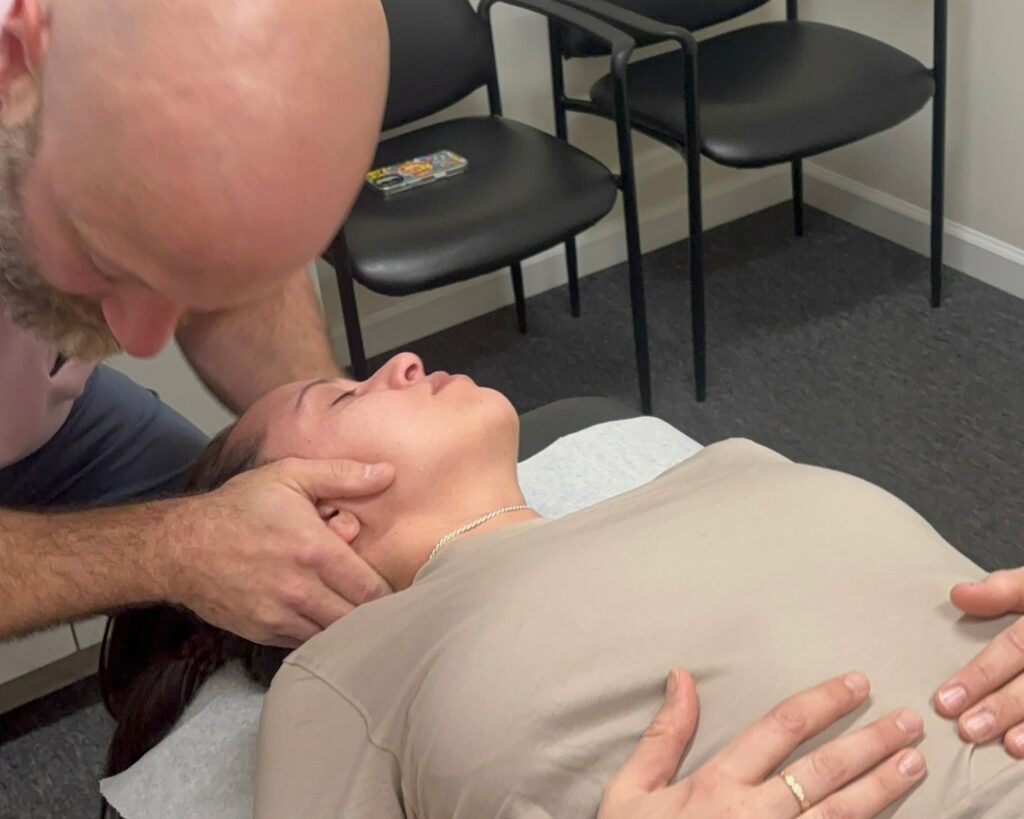
One effective approach to migraine prevention is through chiropractic care. Chiropractic adjustments can help improve spinal alignment, which may alleviate tension in the nervous system and promote overall wellness. When your spine is in alignment, your body can function more efficiently, potentially reducing the occurrence of migraines.
In addition to chiropractic care, here are some general tips and tricks that can support your journey toward migraine relief:
- Stay Hydrated: Dehydration is a common trigger for migraines. Make sure you’re drinking enough water throughout the day.
- Keep a Consistent Sleep Schedule: Irregular sleep patterns can lead to headaches. Aim for a regular sleep routine to help your body maintain balance.
- Manage Stress: Stress can be a significant trigger for migraines. Incorporating relaxation techniques such as deep breathing, meditation, or yoga into your daily routine can help manage stress levels.
- Maintain a Healthy Diet: Certain foods can trigger migraines. Keeping a food diary can help you identify and avoid these triggers. Focus on a balanced diet rich in fruits, vegetables, whole grains, and lean proteins.
- Exercise Regularly: Regular physical activity can reduce the frequency of migraines and improve your overall health. Find activities you enjoy, whether it’s walking, swimming, or cycling.
- Avoid Skipping Meals: Low blood sugar can trigger migraines. Try to eat small, balanced meals throughout the day to keep your energy levels stable.
By integrating these strategies into your lifestyle and seeking chiropractic care, you may find a natural path to reducing your migraine symptoms and enhancing your overall well-being. Remember, taking proactive steps towards your health can lead to lasting relief and a more enjoyable life.
Key Takeaways
- Preventive techniques, especially those offered through chiropractic care, can significantly reduce the frequency and intensity of migraines. This leads to better daily functioning and an overall improvement in your quality of life.
- By identifying triggers and making simple lifestyle adjustments, you can effectively manage and reduce potential migraine episodes. Chiropractic care can help you discover these triggers and create a personalized plan to address them.
- Long-term preventative measures, such as regular chiropractic adjustments, come with fewer side effects than conventional treatments. By focusing on natural healing methods, you can promote your body’s inherent ability to heal itself.
- Incorporating regular exercise and stress management techniques into your routine not only enhances your overall wellness but also plays a key role in reducing the occurrence of migraines. Activities like yoga and stretching can complement your chiropractic care by improving flexibility and relieving tension.
- Taking proactive health measures, including regular visits to your chiropractor, supports your emotional well-being. This can help minimize anxiety related to potential migraine attacks, allowing you to live your life more fully and with less fear of pain.
By prioritizing chiropractic care and incorporating these simple tips into your lifestyle, you can take significant strides toward achieving optimal health and wellness.
Understanding the Impact of Migraines on Daily Life
Migraines can feel like an uninvited guest that disrupts your daily activities, making it difficult to enjoy life to the fullest. They can strike unexpectedly, causing intense pain that hampers your ability to work or spend quality time with family and friends. These debilitating headaches can rob you of precious moments, turning even simple tasks into daunting challenges.
During a migraine, you may become sensitive to light and sound, often leading you to retreat to a dark, quiet space for relief. This isolation can bring about feelings of frustration and anxiety, which can negatively impact your relationships and overall productivity. You might also begin to notice patterns in your triggers—such as stress, lack of sleep, or certain foods—which can heighten your anxiety as you try to avoid them.
Understanding how migraines affect your daily life is crucial, and it can inspire you to explore natural remedies for prevention and relief. One of the most effective and holistic approaches is chiropractic care. Chiropractic adjustments can help alleviate tension in your neck and spine, which may be contributing to your migraine symptoms. By addressing these underlying issues, you can work towards achieving optimal health and reducing the frequency and intensity of your migraines.
In addition to chiropractic care, here are some general tips to help manage migraines and enhance your well-being:
- Stay Hydrated: Dehydration can trigger migraines, so make sure to drink plenty of water throughout the day.
- Maintain a Regular Sleep Schedule: Prioritize consistent sleep patterns to help prevent migraines caused by fatigue.
- Practice Stress Management: Incorporate relaxation techniques such as deep breathing, yoga, or meditation into your daily routine to reduce stress levels.
- Keep a Migraine Diary: Tracking your migraines can help identify triggers and patterns, allowing you to make informed lifestyle adjustments.
- Consider Your Diet: Be mindful of potential food triggers and aim to eat balanced, nutritious meals to support your overall health.
The Importance of Prevention Over Treatment
Preventing migraines is not just about avoiding the pain; it’s about enhancing your overall well-being. As a chiropractor, I believe that taking a proactive approach through spinal health and natural healing can be far more effective than waiting for a migraine to strike and then seeking relief. By focusing on prevention, you can significantly reduce the frequency and severity of those pesky migraine attacks, which can dramatically improve your quality of life.
When it comes to treatment, many conventional methods may come with unwanted side effects, whereas chiropractic care empowers you to take control of your health naturally. Here’s a simple comparison between prevention and treatment:
| Prevention | Treatment |
|---|---|
| Reduces frequency | Addresses symptoms |
| Fewer side effects | Possible side effects |
| Long-term benefits | Short-term relief |
Chiropractic care focuses on maintaining a healthy spine and nervous system, which plays a critical role in overall health. By ensuring your spine is aligned, you can help reduce the stress and tension that often lead to migraines. Here are some simple tips to integrate into your daily routine:
- Stay Hydrated: Dehydration can trigger migraines, so drink plenty of water throughout the day.
- Maintain Good Posture: Poor posture can strain your neck and back, leading to headaches. Be mindful of your posture, especially when sitting for long periods.
- Regular Chiropractic Adjustments: Routine visits to your chiropractor can help keep your spine aligned, reduce tension, and improve your overall nervous system function.
- Manage Stress: Find relaxation techniques like deep breathing, yoga, or meditation to help manage stress levels, which can contribute to migraines.
- Regular Exercise: Engage in low-impact exercises like walking or swimming to help reduce the frequency of migraines while improving your overall health.
Identifying Triggers for Migraine Episodes
Many individuals find it challenging to identify the specific triggers that lead to their migraine episodes. Common culprits can include certain foods, environmental factors, stress, and even poor spinal health.
As a chiropractor, I encourage you to keep a detailed migraine diary to help you identify potential triggers. Make note of when your migraines occur, what you’ve eaten, your emotional state, and any changes in your environment or physical condition, particularly your spinal alignment.
Over time, you may begin to notice patterns that connect your lifestyle choices and spinal health to migraine occurrences. For instance, you might find that a lack of sleep, dehydration, or poor posture contributes to your episodes. Additionally, hormonal fluctuations can also play a role, particularly in women.
Chiropractic care can be an effective approach to managing migraine pain by addressing underlying spinal issues and improving overall wellness. Regular chiropractic adjustments can help alleviate tension in the spine and neck, which may reduce the frequency and intensity of migraine attacks.
Here are some general tips to help you manage your migraines:
- Stay Hydrated: Drink plenty of water throughout the day to prevent dehydration, which can trigger headaches.
- Maintain Good Posture: Be mindful of your posture while sitting or working to reduce strain on your spine.
- Manage Stress: Incorporate relaxation techniques—such as deep breathing, yoga, or meditation—into your daily routine to help manage stress levels.
- Prioritize Sleep: Aim for a consistent sleep schedule to ensure you’re getting adequate rest, as poor sleep can lead to increased migraine frequency.
- Consider Chiropractic Care: Regular visits to a chiropractor can help you maintain optimal spinal health, which may reduce the occurrence of migraines and promote overall wellness.
Lifestyle Changes to Reduce Migraine Frequency
Identifying your migraine triggers is just the first step; making lifestyle changes can significantly reduce the frequency of your episodes, especially when paired with regular chiropractic care. As a local chiropractor, I want to share some simple, effective practices that can help you manage your migraines naturally and promote overall wellness. Here are some essential lifestyle changes to consider incorporating into your daily routine:
| Change | Description | Benefits |
|---|---|---|
| Regular Sleep | Aim for 7-9 hours of restorative sleep nightly. | Enhances overall health and wellness, helping your body recover and reduce stress. |
| Stress Management | Engage in mindfulness or gentle yoga practices. | Eases tension in your body and helps alleviate anxiety, which can trigger migraines. |
| Hydration | Drink plenty of water throughout your day. | Keeps your body hydrated and can prevent dehydration headaches, offering natural relief. |
Dietary Adjustments for Migraine Prevention
While you may already have a sense of what triggers your migraines, making thoughtful dietary adjustments can be a game-changer in preventing future episodes. A great first step is to keep a food diary to pinpoint any specific foods that could be contributing to your migraines. Common offenders often include aged cheeses, processed meats, chocolate, and alcohol.
Instead, aim to fill your plate with whole, nourishing foods like fresh fruits, vibrant vegetables, whole grains, and lean proteins. Staying hydrated is also crucial, so be sure to drink plenty of water throughout the day. You might find that eating smaller, more frequent meals helps keep your blood sugar levels steady, which can be beneficial for migraine management.
Additionally, certain supplements like magnesium and riboflavin have shown promise in reducing the frequency of migraines. It’s always a good idea to discuss these options with your healthcare provider, who can guide you based on your individual needs.
Remember, while dietary changes are important, they’re just one piece of the puzzle. Incorporating regular chiropractic care can support your overall health and wellness, helping to address underlying issues that may contribute to migraine pain.
Stress Management Techniques
Stress can significantly contribute to the onset of migraines, making it crucial to manage stress effectively to prevent these painful episodes. As a chiropractor, I believe that a holistic approach to health, including stress management, is key to achieving optimal wellness.
By incorporating these simple techniques into your daily routine, you can help reduce stress and potentially decrease the frequency of migraines without relying on medication.
- Deep Breathing: Take a moment each day to practice deep breathing. Inhale deeply through your nose, hold for a few seconds, and then exhale slowly through your mouth. This technique helps calm your nervous system and promotes relaxation.
- Mindfulness Meditation: Dedicate a few minutes daily to focus on the present moment. Mindfulness meditation helps clear your mind and reduce anxiety, allowing your body to relax and support spinal health.
- Progressive Muscle Relaxation: This involves tensing and then relaxing each muscle group in your body, starting from your toes and moving up to your head. This practice can help release physical tension that may contribute to headaches or migraines.
- Journaling: Writing down your thoughts and feelings can be a powerful way to process stress. Journaling helps you clarify what’s weighing on your mind and can promote emotional healing, which is important for overall well-being.
By integrating these stress management techniques into your life, you not only support your mental well-being but also enhance your physical health.
Regular chiropractic care complements these practices by aligning your spine, improving nervous system function, and promoting natural healing. Embrace a healthier lifestyle that prioritizes stress management and chiropractic care for optimal results.
The Role of Regular Exercise
Regular exercise is an essential component of a healthy lifestyle and can significantly help in reducing the frequency and intensity of migraines. Incorporating physical activity into your daily routine not only enhances your mood but also contributes to better overall health.
As a chiropractor, I believe that maintaining spinal health is crucial in preventing headaches and migraines. Let’s delve into the types of exercises that can be particularly effective for migraine prevention, while also highlighting the importance of chiropractic care for optimal wellness.
Gentle exercises like walking, yoga, and stretching can be very beneficial. They help improve circulation, reduce muscle tension, and promote relaxation—all of which can alleviate migraine symptoms. Engaging in regular physical activity also supports spinal alignment and can help reduce stress on the nervous system.
Here are some simple tips to incorporate exercise into your routine for migraine prevention:
- Start Slow: If you’re new to exercise, begin with short walks or gentle stretches. Gradually increase the duration and intensity as your body adjusts.
- Practice Yoga: Yoga not only improves flexibility but also promotes relaxation and helps relieve stress, which can trigger migraines.
- Stay Hydrated: Drink plenty of water before, during, and after exercise to prevent dehydration, a common migraine trigger.
- Focus on Posture: Pay attention to your posture during workouts. Proper alignment is key to avoiding additional strain on your spine and nervous system.
- Visit Your Chiropractor: Regular adjustments can help ensure your spine is aligned, which may reduce the frequency of migraines and enhance your overall well-being.
By committing to a routine of gentle exercise and prioritizing chiropractic care, you can pave the way towards a healthier, migraine-free life.
Benefits of Physical Activity
When you engage in physical activity, you’re not just enhancing your overall health; you’re also taking significant steps to alleviate migraines. Regular exercise plays a vital role in managing stress, improving sleep, and boosting your emotional well-being—all of which are essential for preventing migraines.
As a chiropractor, I believe that combining physical activity with chiropractic care can yield the best results for your health. Here are some key benefits of incorporating physical activity into your daily routine, along with tips on how to do it safely:
- Endorphin Release: When you exercise, your body releases endorphins, which are natural painkillers. This can help mitigate migraine pain and improve your mood. Consider activities like walking, yoga, or swimming, which can be gentle yet effective.
- Stress Reduction: Physical activity naturally lowers stress hormones, helping you feel more relaxed. Incorporating exercises like tai chi or light stretching can be a great way to unwind and reduce tension in your spine, which is essential for overall health.
- Improved Sleep Quality: Regular movement can enhance your sleep, which is crucial for avoiding migraines. Try to engage in physical activity during the day and establish a calming evening routine. Chiropractic adjustments can also improve sleep quality by ensuring your spine is properly aligned.
- Increased Blood Flow: Exercise boosts circulation, which may help reduce the frequency of migraine triggers. Simple activities like biking or brisk walking can promote healthy blood flow and keep your body functioning optimally.
To maximize the benefits, consider pairing your physical activity with chiropractic care. Regular adjustments can help maintain proper spinal alignment, allowing your body to respond better to exercise.
Remember, it’s important to listen to your body and consult with your chiropractor if you have any concerns about how exercise might affect your health.
Incorporating these tips into your lifestyle can lead to a healthier, more balanced life, reducing migraine occurrences and enhancing your overall well-being. Embrace the journey to better health with chiropractic care and physical activity working hand in hand!
Types of Exercises Recommended
Incorporating a variety of exercises into your routine can greatly enhance your efforts in preventing migraines while supporting your overall health and wellness. As your local chiropractor, I encourage you to focus on activities that not only promote physical fitness but also align with the principles of natural healing.
Start with aerobic exercises such as walking, swimming, or cycling. These activities are excellent for boosting circulation and reducing stress, both of which are essential for migraine prevention. Aim for at least 30 minutes of moderate exercise most days of the week. Remember, even a brisk walk around your neighborhood can work wonders for your body and mind.
Additionally, incorporating yoga or Pilates into your routine can significantly improve your flexibility and promote relaxation. These practices help alleviate tension in your muscles and spine, which can be a trigger for migraines. A few minutes of stretching each day can also help keep your muscles limber and reduce the risk of tightness that may contribute to discomfort.
Strength training is another important aspect to consider. Engaging in strength-building exercises two to three times a week supports overall muscle health and can enhance your physical stability, reducing the likelihood of strain that could lead to migraine episodes.
Lastly, don’t underestimate the power of regular stretching. Simple stretches can help maintain your mobility and prevent tightness in your muscles and joints. This not only aids in physical fitness but also supports spinal health, which is crucial for overall wellness.
By mixing these types of exercises into your daily routine, you can create a balanced fitness regimen that promotes not just migraine prevention, but also a healthier lifestyle overall.
When to Seek Professional Help for Migraines
If you’re experiencing frequent migraines that disrupt your daily activities, it’s important to take action and seek professional help.
While severe episodes can be debilitating, chiropractic care offers a natural and effective approach to managing migraine pain. Many times, migraines can be linked to spinal misalignments or tension in the neck and upper back.
By visiting a chiropractor, you can receive a thorough assessment to identify any underlying issues contributing to your migraines. Gentle spinal adjustments and techniques can help alleviate tension, improve spinal alignment, and promote overall wellness, which may reduce the frequency and intensity of your migraine episodes.
In addition to chiropractic care, consider incorporating some simple lifestyle changes to help manage your migraines. Staying hydrated, getting regular exercise, and maintaining a consistent sleep schedule can all contribute to better overall health and potentially lessen the severity of migraines.
Persistent Migraine Frequency
Migraines can be a challenging condition, impacting your daily life and overall wellness. Understanding when to seek help is crucial, especially if you’re experiencing them frequently. Here are some signs that it may be time to consult with a healthcare provider:
- You have migraines more than twice a month.
- Your migraines become more intense or change in pattern.
- Over-the-counter remedies aren’t providing relief.
- You notice new symptoms, such as vision changes or weakness.
If your migraines are causing disruption in your daily activities, it’s important to explore natural solutions. Chiropractic care can play a vital role in managing migraine pain and improving your overall health through spinal adjustments, which can help alleviate tension and improve your body’s function.
Here are some general tips to help manage migraines naturally and promote wellness:
- Stay hydrated: Dehydration can trigger migraines, so drink plenty of water throughout the day.
- Maintain a regular sleep schedule: Consistent sleep patterns can help reduce the frequency of migraines.
- Manage stress: Incorporate relaxation techniques such as yoga or meditation into your daily routine.
- Keep a food diary: Identifying and avoiding migraine triggers in your diet can be beneficial.
By prioritizing your wellness and considering chiropractic care, you can take proactive steps toward managing migraines effectively.
Severe Pain Episodes
Recognizing when to seek professional help for severe pain episodes, especially in the context of migraines, is crucial for managing your health effectively. If you’re experiencing debilitating pain that doesn’t improve with natural remedies or lifestyle adjustments, it may be time to consult a chiropractor. Unlike traditional medications, chiropractic care focuses on addressing the root cause of your pain through spinal adjustments and holistic wellness strategies.
If your migraines are disrupting your daily life or becoming more frequent, don’t hesitate to reach out for support. A chiropractor can help identify underlying issues that may be contributing to your pain and provide tailored treatments to promote healing and relief.
Keep an eye out for warning signs like vision changes, confusion, or difficulty speaking, as these may indicate a more serious condition that requires immediate attention. Additionally, if you experience a sudden, severe headache that feels different from your usual migraines, it’s essential to consult a healthcare professional. Remember, timely intervention can make a significant difference in your overall well-being.
In the meantime, consider incorporating some general wellness tips into your routine:
- Stay hydrated – Dehydration can trigger migraines, so drink plenty of water throughout the day.
- Maintain a regular sleep schedule – Consistent sleep patterns can help reduce the frequency of migraine attacks.
- Manage stress – Techniques such as deep breathing, meditation, or gentle yoga can help alleviate tension that may lead to migraines.
- Keep a migraine diary – Tracking your symptoms, triggers, and responses to treatments can provide valuable insights for you and your chiropractor.
Focusing on these natural approaches can empower you to take control of your health and find effective strategies for managing migraines. Chiropractic care can be an excellent choice for pain relief and achieving optimal wellness.
Conclusion
Incorporating migraine prevention techniques into your daily routine is a vital step towards taking charge of your health and well-being. By identifying your specific triggers and implementing lifestyle changes, you can significantly decrease the frequency and intensity of migraine attacks. Chiropractic care plays a crucial role in this process by addressing spinal alignment and overall nervous system function, which can contribute to fewer migraines.
Additionally, embracing stress management practices, such as mindfulness and relaxation techniques, can further enhance your wellness. Regular exercise, which can also be supported through chiropractic adjustments, promotes a healthier lifestyle and helps reduce stress, making it an effective tool in migraine prevention.
Remember, taking proactive steps today can lead to a brighter, migraine-free future. By prioritizing chiropractic care and incorporating these simple strategies into your life, you can enjoy each day to the fullest, free from the interruptions of migraine pain. Your journey towards optimal health starts with small, consistent changes—embrace them and feel the difference!